Posted on

Used Sony E-Mount Lenses for Video and Content Creation

Discover the best used Sony E-mount lenses for video and content creation. From budget-friendly zooms to pro-level primes, find out what to look for and which models offer the best value in 2025.

Used Sony E-Mount Lenses for Video and Content Creation

As content creation continues to evolve, so does the demand for high-quality, reliable gear that fits within a creator’s budget. For those using Sony mirrorless cameras, particularly the Alpha and FX lines, Sony’s E-mount lens ecosystem offers a wealth of options—many of which can be found in excellent condition on the used market. Whether you’re shooting YouTube videos, TikToks, short films, or client work, investing in used Sony E-mount lenses can be a smart way to level up your production without overspending.

In this article, we’ll explore the best types of used Sony E-mount lenses for video and content creation, what to look for when buying used, and some top recommendations that still perform like new in 2025.


Why Buy Used Lenses for Video Work?

Buying used lenses isn’t just about saving money—although that’s a huge benefit. It also gives creators access to higher-end glass that might be out of reach when purchased brand new. With careful inspection and reputable sellers, used lenses can deliver the same optical performance as new ones.

Benefits of buying used include:

  • Lower upfront cost
  • Access to discontinued or rare models
  • Proven performance reviews from real users
  • Minimal depreciation if resold later

For video work, where budget-conscious gear upgrades are frequent, the value proposition of used lenses is hard to beat.


What to Look for in Video-Focused E-Mount Lenses

While photo lenses and video lenses share many similarities, there are a few specific traits to prioritize if you’re primarily creating video content:

1. Quiet and Smooth Autofocus

Autofocus motors should be fast, smooth, and silent to avoid noisy footage or focus hunting during recording. Look for lenses with Sony’s linear or stepping motors.

2. Wide Aperture

Lenses with f/1.4 to f/2.8 apertures allow better control over depth of field and perform better in low-light settings—ideal for interviews, talking heads, or cinematic b-roll.

3. Minimal Focus Breathing

Focus breathing causes the image to subtly zoom when shifting focus, which can be distracting in video. Some Sony and Sigma lenses are optimized to reduce this effect.

4. Stabilization (if needed)

Optical SteadyShot (OSS) in-lens stabilization can be beneficial for handheld shooting, although many Sony bodies also feature in-body image stabilization (IBIS).


Top Used Sony E-Mount Lenses for Video and Content Creators

Here are some standout used lenses that remain excellent for content creation in 2025:


1. Sony E 16–55mm f/2.8 G (APS-C)

Best for: Vloggers and hybrid shooters
This G-series zoom is an excellent pick for APS-C Sony cameras like the a6400 or FX30. With a constant f/2.8 aperture and fast, silent autofocus, it’s ideal for handheld shooting, walk-and-talk vlogs, and general-purpose content.

  • Pros: Sharp, well-built, fast aperture, weather-sealed
  • Cons: No optical stabilization

2. Sony FE 24mm f/1.4 GM (Full-frame)

Best for: Wide-angle talking head videos and b-roll
The 24mm focal length is ideal for vloggers and YouTubers who shoot in tight indoor spaces. This G Master lens is known for stunning sharpness and creamy bokeh.

  • Pros: Lightweight for a GM lens, excellent low-light performance
  • Cons: Premium price, even used

3. Sigma 18–50mm f/2.8 DC DN (APS-C)

Best for: Run-and-gun creators on a budget
This compact zoom is one of the best third-party APS-C lenses for video. It’s fast, sharp, and covers a very useful range for creators using a6400, FX30, or ZV-E10.

  • Pros: Affordable used, smooth AF, compact
  • Cons: APS-C only

4. Sony FE 35mm f/1.8 (Full-frame or APS-C)

Best for: Interviews, product shots, and cinematic b-roll
The 35mm focal length is extremely versatile. This lens is small, fast, and excellent for a wide range of video applications.

  • Pros: Lightweight, sharp wide open, quiet AF
  • Cons: Not a G Master, but still professional-grade

5. Tamron 28–75mm f/2.8 Di III RXD (Full-frame)

Best for: Documentary-style or handheld shooting
A popular third-party zoom that works great on Sony full-frame cameras, this Tamron lens offers performance close to the Sony 24–70mm f/2.8 GM at a fraction of the price, especially when bought used.

  • Pros: Great value, constant f/2.8, decent autofocus
  • Cons: Focus breathing more noticeable than G Master lenses

Where to Buy Used E-Mount Lenses

When shopping for used lenses, stick to reputable sellers with clear return policies and warranty options. Trusted marketplaces include:

  • KEH Camera
  • MPB
  • B&H Used Department
  • Adorama Used Gear
  • Local camera stores or certified eBay sellers

Always check the condition (look for terms like “Excellent” or “Like New”) and verify that the lens has been tested for focus, aperture, and stabilization functionality.


Final Thoughts: Is Buying Used E-Mount Lenses Worth It for Creators?

Absolutely. In 2025, used Sony E-mount lenses continue to provide tremendous value for creators of all levels. Whether you’re a solo vlogger, a freelance videographer, or running a growing content channel, the used market gives you access to pro-level gear at manageable prices.

By carefully selecting the right lens for your shooting style—and buying from trusted sources—you can build a powerful video setup without overspending. And since lenses hold their value better than camera bodies, it’s an investment that can pay off creatively and financially in the long run.
Posted on

Affordable Used Nikon DX Lenses for APS-C Cameras

Discover the best affordable used Nikon DX lenses for APS-C cameras in 2025. From versatile zooms to sharp primes and macro options, explore top-value lenses perfect for beginners, hobbyists, and budget-conscious photographers.

Affordable Used Nikon DX Lenses for APS‑C Cameras

If you own a Nikon APS‑C (DX) camera, finding high-quality, affordable lenses is key to expanding your capabilities without breaking the bank. The used market is a goldmine of options that deliver excellent performance and tremendous value. Here are nine standout used Nikon DX lenses worth considering in 2025:


1. Nikon AF‑S DX 35 mm f/1.8G

A favorite among DX shooters, this fast prime offers a natural field of view (about 52.5 mm equivalent) and excels in low light. Lightweight, sharp, and affordable, it’s widely cited as the best value lens for DX users.
Why used? You can often find excellent-condition copies for around $110 with hardly any compromises.
WikipediaShotkitPhoto Image PlanetAmateur Photographer


2. Nikon AF‑S 16–85 mm f/3.5–5.6G ED VR

This versatile zoom spans wide-angle to short telephoto (24–128 mm equivalent) with stabilization and solid optics.
Why used? Prices now hover around $120–$360, making it one of the best all-in-one used options.
LensvanaAmateur Photographerkeepsnap.com


3. Nikon AF‑S 16–80 mm f/2.8–4E ED VR

A premium standard zoom featuring a bright aperture and smooth stabilization. On the used market, it’s only marginally more expensive than the 16–85 mm.
Why used? You get better low-light performance without a big price jump—great for serious DX shooters.
Amateur PhotographerLensvana


4. Nikon AF‑S 18–105 mm f/3.5–5.6G ED VR

A compact super-zoom often found bundled with mid-range DSLRs. Offers a practical focal range and VR to steady handheld shots.
Why used? Versatile for everyday use and often very affordable.
ExpertPhotographyWikipedia


5. Nikon AF‑S 18–140 mm f/3.5–5.6G ED VR

A step up in range from the 18–105 mm, this zoom covers more ground—up to 210 mm equivalent—and includes VR.
Why used? Popular among travelers and vloggers who want reach without lens swapping.
Wikipedia


6. Nikon AF‑S DX 40 mm f/2.8G Micro

A compact true macro prime offering 1:1 magnification—rare in dieting gear. Useful for close-ups, product shots, and even general-use.
Why used? Excellent value for detail-oriented shooters needing macro capabilities.
Wex Photo Video


7. Nikon AF‑P 70–300 mm f/4.5‑6.3G ED VR (DX)

An affordable telephoto offering great reach with fast, accurate AF and VR—perfect for wildlife or sports on a budget.
Why used? Excellent performance and accessible pricing—often found for under $200.
Lensvana


8. Tamron and Sigma Third-Party Zooms (for DX)

  • Tamron SP 17–50 mm f/2.8 XR Di II (older models, some with VC): Bright zoom under $100 used.
  • Sigma 17–50 mm f/2.8 EX DC OS HSM: Great sharpness and optical stabilization around $180 used.
  • Nikon 17–55 mm f/2.8G IF‑ED: Nikon’s prosumer version—still remarkably good, about $350 used.
    Why used? Excellent image quality and more affordable alternatives to OEM glass.
    Lensvana

9. Vintage Primes — Nikon AF‑D 24 mm f/2.8 & 50 mm f/1.8D

Not DX-specific, but these FX primes offer strong performance on DX bodies. Often found for low price and deliver clean optics and unique rendering.
Why used? Learning-friendly primes that double as FX-ready if you upgrade bodies in the future.
WIRED


** From the Community: Real-World Endorsements**

A Nikon user raved about the value of the DX 35 mm f/1.8G:

“It’s unquestionably the best value per dollar available for a DX camera… about $110 used in perfect shape.”
Reddit

Another echoed the DX kit zoom’s practicality:

“Weighs nothing, fairly sharp. I’ve got nothing against printing shots from it. Ideal backpacking lens.”
Reddit


Tips for Buying Used DX Lenses

  1. Buy from trusted sellers offering ratings, return policies, or short warranties.
  2. Check lens condition—lens glass is key. Check for scratches, haze, and smooth operation.
  3. Test image stabilization and autofocus if possible. VR and AF can make or break usability.
  4. Compare prices across dealers and marketplaces—used markets fluctuate fast.

Conclusion

The Nikon DX lens ecosystem shines when you include affordable used options. Whether you’re seeking a fast prime like the 35 mm f/1.8G, a versatile zoom like the 16–85 mm VR, or a macro like the 40 mm f/2.8G, you can equip your APS‑C system with capable glass without overspending.

Each of these lenses delivers excellent performance for walkers, hobbyists, creators, or beginners—paired with smart used shopping habits, building a killer DX kit has never been more accessible.

Posted on

Why Photographers Still Love the Used Canon 24-70mm f/2.8L

Discover why the Canon 24-70mm f/2.8L is still a top choice for photographers in 2025. Learn about its optical performance, durability, and why buying it used offers incredible value.

Why Photographers Still Love the Used Canon 24-70mm f/2.8L

The Canon 24-70mm f/2.8L has been a favorite among photographers for over two decades—and for good reason. Known for its sharp optics, fast aperture, and durable build, this versatile zoom lens has been a go-to choice for professionals and serious enthusiasts alike. Even with the rise of newer RF lenses and third-party competitors, many photographers still seek out the original Canon 24-70mm f/2.8L on the used market.

In this article, we’ll explore why this classic L-series lens remains such a popular choice today—especially in the used gear space—and why it might be the perfect addition to your kit.


A Legacy of Optical Excellence

The original Canon EF 24-70mm f/2.8L USM debuted in 2002, replacing the earlier 28-70mm version. It quickly gained a reputation for exceptional sharpness, consistent color reproduction, and excellent contrast across its entire zoom range. It covers one of the most useful focal length ranges in photography—from wide-angle to short telephoto—making it ideal for a wide variety of genres including:

  • Portraits
  • Weddings
  • Events
  • Travel
  • Street photography
  • Landscapes

Despite its age, this lens still holds its own when paired with modern full-frame DSLRs and even mirrorless cameras via adapters.


Solid Build and Professional Reliability

One of the hallmarks of Canon’s L-series lenses is their rugged build quality, and the 24-70mm f/2.8L is no exception. With a weather-sealed construction and metal barrel, it’s built to withstand challenging shooting environments. Whether you’re photographing a wedding in the rain or hiking with your gear through dusty trails, this lens is designed to endure tough conditions.

Used models often retain their reliability even after years of use. Many photographers find that these lenses can last well over a decade with proper care and cleaning. The long-term durability adds to its value on the used market, especially when purchased from reputable sellers who inspect and test their inventory.


Versatility That’s Hard to Beat

There’s a reason the 24-70mm range is referred to as the “workhorse” zoom. The combination of focal length and constant f/2.8 aperture makes it adaptable to nearly any situation. With this one lens, you can shoot:

  • Group portraits at 24mm
  • Individual headshots around 50–70mm
  • Indoor scenes in low light thanks to the wide aperture
  • Street and travel scenes with flexibility and spontaneity

Its ability to replace multiple prime lenses in a single package is a big reason photographers—especially event shooters—swear by it.


A Smart Buy on the Used Market

One of the biggest advantages of buying a used Canon 24-70mm f/2.8L is cost savings. Newer versions, such as the Canon EF 24-70mm f/2.8L II USM or the RF 24-70mm for mirrorless systems, come with premium price tags. But a well-maintained original version can be found at a fraction of the cost, often delivering 90% of the real-world performance.

Here’s what you get when you buy this lens used:

  • Pro-level optics without the premium price
  • Tried-and-tested durability
  • Excellent resale value if you ever upgrade
  • Full compatibility with EF-mount DSLRs and RF bodies (via EF-EOS R adapter)

Still Relevant in 2025?

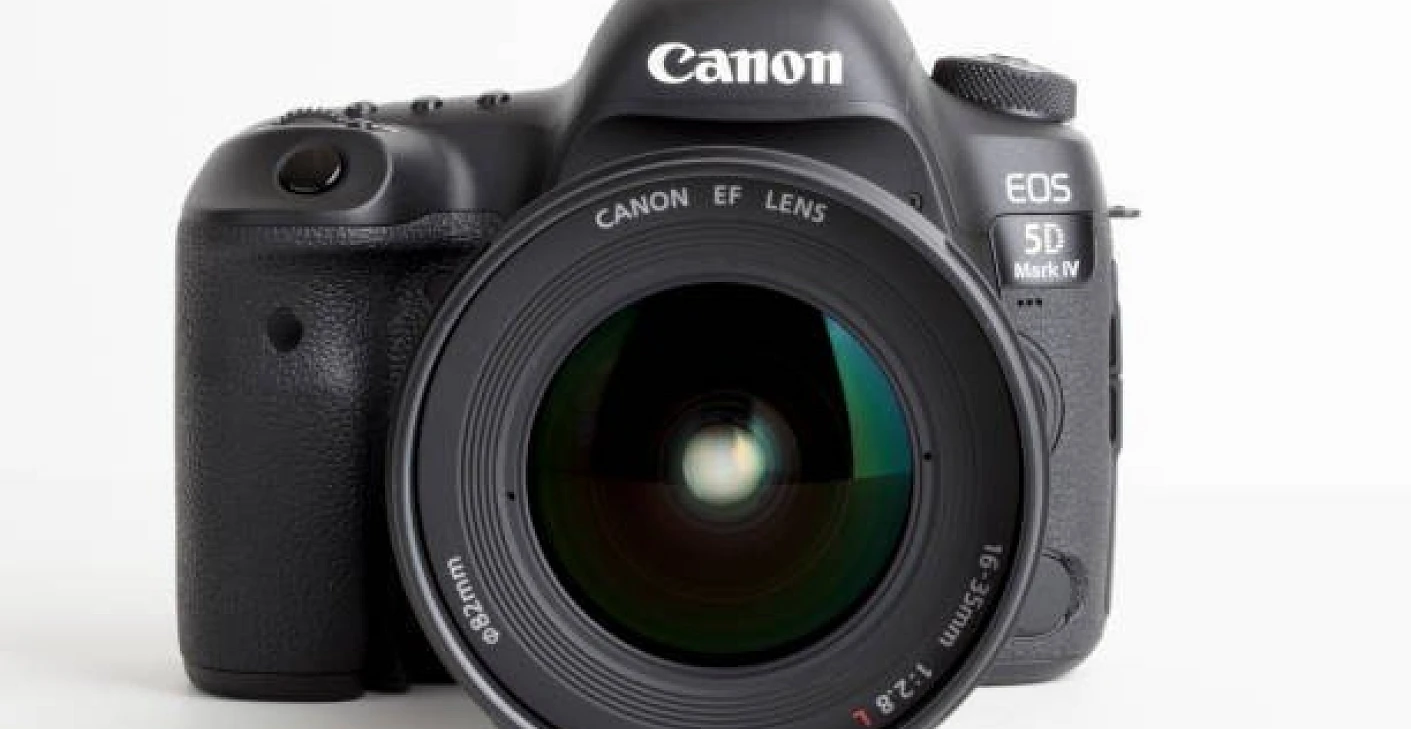
Absolutely. While technology moves fast, the core qualities of this lens—optical consistency, build quality, and flexibility—have stood the test of time. Paired with a high-resolution DSLR like the Canon 5D Mark IV or a mirrorless camera like the EOS R6 via an adapter, the 24-70mm f/2.8L still delivers stunning image quality.

Photographers looking to build a professional or enthusiast kit without breaking the bank often turn to this lens first. It offers the kind of performance that modern budget zooms struggle to match—especially in low light and edge-to-edge sharpness.


Tips for Buying the Canon 24-70mm f/2.8L Used

If you’re in the market for this classic lens, here are some tips to ensure you get the best value:

1. Buy from Reputable Sellers

Look for retailers that inspect, test, and grade their used gear. Some even offer warranties and return policies, giving you peace of mind.

2. Inspect for Wear and Tear

Check the rubber zoom/focus rings, lens mount, and front/rear elements. A little cosmetic wear is normal, but excessive scratches or fungus are red flags.

3. Test Autofocus and Aperture Blades

Make sure the autofocus is snappy and accurate, and check that the aperture blades are clean and responsive.

4. Ask About Service History

A lens that’s been professionally cleaned or serviced may offer better reliability in the long run.


Alternatives to Consider

If you’re not sure the original 24-70mm f/2.8L is right for you, here are a few alternatives to compare:

  • Canon EF 24-70mm f/2.8L II USM – Newer, sharper, and lighter, but more expensive.
  • Tamron 24-70mm f/2.8 VC – Third-party option with image stabilization and good performance.
  • Canon EF 24-105mm f/4L IS USM – Slightly slower aperture but with more reach and image stabilization.
  • Sigma 24-70mm f/2.8 DG OS HSM Art – Great optics and image stabilization at a lower price point.

But even among these options, the original Canon 24-70mm f/2.8L still holds its own.


Final Thoughts

The Canon 24-70mm f/2.8L may be over 20 years old, but it’s far from outdated. Its proven performance, legendary versatility, and durable construction make it a smart buy in the used market—even in 2025. Whether you’re upgrading your kit, getting into professional photography, or simply need a reliable walk-around lens, the 24-70mm f/2.8L deserves serious consideration.

For those who value quality and flexibility at a great price, this classic lens continues to deliver—frame after frame.

Posted on

Used Fujifilm Lenses That Pair Perfectly With the X-T4

Discover the best used Fujifilm XF lenses that perfectly complement the X-T4. From portraits to landscapes, explore top-value glass for every shooting style in 2025..

Used Fujifilm Lenses That Pair Perfectly with the X-T4

The Fuji X-T4 is a powerhouse mirrorless camera—renowned for its in-body image stabilization (IBIS), excellent autofocus, and stunning color science. One of its biggest strengths, though, is the rich ecosystem of Fuji’s XF lenses, known for delivering exceptional image quality and compact reliability. A savvy move in 2025 is to explore the used market. You’ll find sharp, well-crafted XF glass at significantly lower prices. Here are some standout options that not only complement the X-T4’s strengths but also offer amazing value.


1. Fujinon XF 56mm f/1.2 R

The “portrait lens” for Fujifilm shooters, this lens excels at flattering compression, smooth bokeh, and beautiful rendering—perfect for headshots and subject isolation.

  • Pairing with X-T4: The camera’s IBIS and fast AF make shooting at f/1.2 sharp and user-friendly.
  • Why Buy Used: Ruggedly built and prized, used copies often retain high performance while costing significantly less.

2. Fujinon XF 16-55mm f/2.8 R LM WR

This pro-grade zoom spans useful focal lengths with a constant f/2.8 aperture, excellent sharpness, and weather resistance.

  • Pairing with X-T4: IBIS complements the lack of lens stabilization and enhances flexibility for handheld shooting.
  • Why Buy Used: L-series lenses hold value well; even used copies offer the same impressive capabilities at reduced cost.

3. Fujinon XF 10-24mm f/4 R OIS WR

An essential tool for landscape, architecture, and sweeping video—this ultra-wide zoom includes optical stabilization to complement IBIS.

  • Pairing with X-T4: IBIS and OIS sync beautifully for ultra-smooth handheld footage.
  • Why Buy Used: Great availability in excellent condition, with sellers offering warranties makes this a smart value pick.

4. Fujinon XF 56mm f/1.2 R APD

A specialty variant of the trusty 56mm—this APD filter delivers extra creamy bokeh and unique rendering.

  • Pairing with X-T4: Perfect for artists, journaling, or wedding work where dreamy defocused highlights elevate storytelling.
  • Why Buy Used: Harder to find new; used units can become affordable artifacts in a carefully curated kit.

5. Fujinon XF 50-140mm f/2.8 R LM OIS WR

A favorite for portraits, events, sports, and wildlife, this fast telephoto zoom offers pro-level reach with image stabilization.

  • Pairing with X-T4: The combination of OIS in the lens and IBIS in-body delivers enviable stability for sharp, handheld shooting.
  • Why Buy Used: Still excellent optically; you can commonly save hundreds versus new retail.

6. Fujinon XF 23mm f/2 R WR

Compact, lightweight, and sharp, this 35mm equivalent prime is a beloved everyday lens for street photography.

  • Pairing with X-T4: A great ‘compact setup’ with fast operation—excellent for video, travel, and documentary shooting.
  • Why Buy Used: Rugged but affordable; ideal for budget-conscious creators or backup kit.

7. Fujinon XF 16mm f/1.4 R WR

Built for wide-angle versatility in low light, this lens delivers stellar sharpness, distinctive rendering, and a fast aperture.

  • Pairing with X-T4: Combine f/1.4 low-light performance with IBIS for exceptional street and astrophotography.
  • Why Buy Used: Still very much in demand—used copies save you money while giving all the creative benefits.

8. Fujinon XF 18-55mm f/2.8-4 R LM OIS

The classic “kit zoom”—compact, stabilized, and surprisingly sharp for its size and price.

  • Pairing with X-T4: Fantastic for video creators looking for an affordable walkaround setup.
  • Why Buy Used: Often overlooked, but this lens delivers excellent performance—especially suited for backups or lightweight kits.

9. Fujinon XF 90mm f/2 R LM WR

A short telephoto prime with beautiful bokeh, superb sharpness, and weather sealing.

  • Pairing with X-T4: Great for portraits, candid events, or detail work. IBIS supports precise hand-held shooting at longer focal lengths.
  • Why Buy Used: Hard to justify full-price for many—but a lightly used copy delivers elite optics affordably.

Why the Used Market Pays Off for X-T4 Shooters

  • Cost Efficiency: Many high-performing XF lenses are 25-50% cheaper used—even with seller-provided testing and grading.
  • IBIS Compatibility: The X-T4’s stabilization effectively extends usability for lens designs that don’t include OIS.
  • Optical Durability: Refined, metal-built XF lenses endure years, and tested-used copies handle reliably.
  • Growing Demand & Availability: X-T4’s popularity ensures steady flow of well-kept used XF glass from enthusiasts upgrading or changing systems.

Tips for Buying Used XF Lenses

  1. Buy from trusted dealers offering return windows and cosmetic/optical grading.
  2. Check front/rear elements for scratches, haze, or fungus.
  3. Test autofocus with paired body—for X-T4, check linear motor responsiveness.
  4. Note firmware compatibility between lens and body—update if needed.
  5. Compare prices across listings—high-quality used lenses can vary significantly by source.

Final Takeaway

If you’re outfitting your Fuji X-T4 on a budget, the used XF lens market delivers premium choice at exceptional value. Whether you’re a portrait shooter chasing creamy bokeh, or a YouTuber capturing stable motion, the lenses outlined above bring proven optical quality—and the X-T4’s stabilization—into a modern, budget-friendly kit.

Posted on

Buying a Used Sony a7 III: What to Check Before You Commit

Thinking of buying a used Sony a7 III? Discover what to check before committing — from shutter count and sensor condition to firmware, accessories, and trusted sellers — to ensure you get the best value and performance in 2025.

Buying a Used Sony a7 III: What to Check Before You Commit

The Sony a7 III has become one of the most popular full-frame mirrorless cameras since its launch, praised for its outstanding image quality, dynamic range, reliable autofocus, and excellent video capabilities. As newer models have emerged, the a7 III remains a strong performer — and its price in the used market has become even more attractive. But before you commit to buying a used Sony a7 III, it’s essential to understand what to look for, what to avoid, and how to get the best value for your money.

Whether you’re a first-time buyer or upgrading from an older model, this guide will walk you through the key things to check before purchasing a pre-owned Sony a7 III.


1. Know the Camera’s Market Value

Before anything else, do your research on the average selling price for a used Sony a7 III. Prices vary depending on the condition, shutter count, included accessories, and seller reputation. As of 2025, a good condition body typically sells between $850 to $1,200 USD.

Buying from reputable used gear retailers often costs a bit more than buying from private sellers, but it usually includes some level of warranty or return policy. Weigh your priorities between peace of mind and a lower price.


2. Check Shutter Count

The Sony a7 III is rated for around 200,000 shutter actuations, which is fairly standard for a full-frame camera. When evaluating a used unit, ask the seller for the shutter count. Ideally, look for units under 50,000 actuations — though a higher count isn’t necessarily a deal-breaker if the camera is well cared for and priced accordingly.

If you’re inspecting the camera in person, you can use software tools or upload an unedited JPEG to a shutter count website to get this data.


3. Examine the Exterior Condition

Cosmetic condition can give you clues about how the camera was treated. Check for:

  • Scratches or dents on the body
  • Loose dials or sticky buttons
  • Worn rubber grips
  • Mount wear where the lens connects
  • Cracked or scratched LCD screen

Minor cosmetic flaws are expected in used gear, but structural damage could mean a harder life and potential hidden issues.


4. Test All Ports, Buttons, and Dials

Make sure all input/output ports are functional, including:

  • USB-C and Micro HDMI
  • Headphone and mic jacks
  • Memory card slots (dual SD card)
  • Battery and charger connections

Also, go through every button, dial, and menu item. Ensure the joystick, rear and front dials, shutter button, and AF/MF switch all respond properly.


5. Inspect the Sensor and Viewfinder

Check the sensor for dust, scratches, or damage. A little dust is common and usually removable, but scratches or oil spots could affect image quality. Use a flashlight at an angle to help detect surface flaws.

For the electronic viewfinder (EVF) and rear LCD, make sure both display clean images with no dead pixels or discoloration. Check brightness and resolution in live view and playback modes.


6. Autofocus and IBIS Functionality

The Sony a7 III has advanced autofocus with 693 phase-detection points and 5-axis in-body image stabilization (IBIS). Test autofocus speed and accuracy in both stills and video modes using a lens you trust. Confirm that eye autofocus and continuous tracking modes work as expected.

IBIS issues may not always be obvious at first — try taking handheld shots at slow shutter speeds (1/15 sec or slower) to ensure stabilization is active and effective.


7. Firmware and Compatibility

Check if the camera’s firmware is up to date. You can find this in the camera’s menu (under Setup > Version). The latest firmware improves autofocus and lens compatibility. Updating is easy, so don’t worry if it’s outdated — but make sure the camera responds to firmware updates.

Also verify compatibility with your current or future Sony E-mount lenses. Some older third-party lenses may require firmware updates to work well with the a7 III.


8. Ask About Original Accessories

Used cameras often come without the original box or manuals, but some accessories are essential. Ideally, the camera should include:

  • Original Sony battery (NP-FZ100)
  • Sony battery charger
  • Body cap
  • Strap

Third-party batteries are common in used kits, but genuine batteries last longer and are more reliable. Factor in the cost of buying missing accessories when considering the overall deal.


9. Ask About Warranty or Return Policy

Buying from a reputable used gear store often includes a 30- or 90-day warranty. Some platforms like KEH, B&H Used, or MPB offer extended warranty options. Private sellers rarely provide this, so know the risk before buying.

If you’re buying locally (e.g., Facebook Marketplace, Craigslist), arrange to meet in a public place and test the camera thoroughly before handing over any money.


10. Consider Buying Used From Trusted Sources

When possible, buy from trusted platforms that specialize in used camera gear. Examples include:

  • KEH
  • MPB
  • B&H Photo (Used Department)
  • Adorama Used
  • LensAuthority
  • Local camera stores

These sellers inspect gear, rate condition honestly, and usually offer warranties and returns. It’s a safer option for most buyers than rolling the dice on unknown individuals.


Final Thoughts: Is It Worth It?

The Sony a7 III continues to be a fantastic camera for enthusiasts, professionals, hybrid shooters, and video creators — even several years after its release. Its performance holds up in 2025, and buying it used can save you hundreds of dollars over a new model or newer alternatives like the a7 IV.

By taking the time to inspect the camera carefully, verify its condition, and buy from a reputable source, you can confidently invest in a used a7 III that will serve you for years to come.

Posted on

Canon Rebel Series on a Budget: The Best Used Lenses to Match

Discover the best budget-friendly used lenses for your Canon Rebel DSLR. From sharp primes to versatile zooms, this guide helps you find affordable gear to maximize your Rebel’s potential.

Canon Rebel Series on a Budget: The Best Used Lenses to Match

The Canon Rebel series is an incredible entry point into DSLR photography—lightweight, accessible, and affordable. But to truly unlock its creative potential, pairing it with the right lens makes all the difference. Fortunately, the secondhand market offers excellent options that won’t break the bank. Here are the top used lenses to match with your Rebel (T7, T6, T8, or similar models), perfect for portraits, landscapes, macro, travel, and more.


1. Canon EF 50mm f/1.8 STM “Nifty Fifty”

Why it’s a staple:
This prime lens is often the first upgrade Rebel owners make—and for good reason. Thanks to its bright f/1.8 aperture, compact size, and sharpness, it handles low-light, portraits, and everyday shooting with ease.

  • Budget advantage: Used copies often fall well under $100. Photography BayOverlandaholic
  • Raves from users:“EF 50mm f/1.8 STM is under $100 used and works quite well for portraits.” Reddit
    “It’s cheap … and incredibly sharp for that price.” Reddit

This lens is simply one of the best value-for-money additions you can make to your Rebel gear.


2. Canon EF-S 24mm f/2.8 STM “Pancake”

Why Rebel owners adore it:
Small, lightweight, and pancake-thin, this compact lens is perfect for travel, street, and video work.

  • Wider field of view (~38mm equivalent) than the 50mm, making it more versatile. camlense.comPhotography Bay
  • Affordable and discreet—ideal for walk-around shooting and vlogging.

3. Sigma 17–50mm f/2.8 EX DC OS HSM

Why step up from the kit zoom:
This third-party zoom is a popular upgrade, offering faster optics, better image quality, and built-in stabilization.

  • Users report spending $200 to $325 on used copies for a noticeable jump in performance. Reddit
  • Feeds more light into the sensor than the standard 18-55mm kit lens.

4. Canon EF-S 17–55mm f/2.8 IS USM

The near-pro standard zoom:
Often compared to Canon’s full-frame 24-70mm f/2.8L, this APS-C-only lens brings constant f/2.8 and stabilization to Rebel users.

  • Widely praised for its excellence in low-light versatility and professional image quality. Wikipedia
  • Used units offer tremendous value against its higher new price.

5. Canon EF-S 18–135mm f/3.5–5.6 IS (STM)

Best all-rounder for everyday use:
This versatile zoom is a great upgrade from the 18-55mm, extending reach into short telephoto.

  • Often bundled with Rebel cameras, and rated highly for its zoom range and practicality. Photography BayWikipedia
  • Groups well with Rebel users needing one lens that fits most shooting styles.

6. Canon EF-S 15–85mm f/3.5–5.6 IS USM

For travelers and enthusiasts wanting more reach:
Offers wider angle and longer telephoto reach than the 18-135mm.

  • Equivalent field of view of 24–136mm, ideal for travel, landscape, and lifestyle photography. Wikipedia
  • Built tougher and delivers improved optics over basic kit options.

7. Canon EF-S 60mm f/2.8 Macro USM

Your budget macro and portrait workhorse:
This sharp prime doubles for detailed close-ups and flattering portraits.

  • Delivers true 1:1 macro capability with smooth bokeh and durable build. Wikipedia
  • Great value when purchasing used and often overlooked despite its capabilities.

8. Canon EF 75–300mm f/4–5.6 III Telephoto Zoom

Affordable reach for wildlife and sports:
While not a top-tier performer, it’s a great entry telephoto for gaining reach on a budget.

  • Good for casual wildlife or distant subjects, just be mindful of lack of image stabilization. Photoeaze

9. Sigma 17–70mm f/2.8–4 DC Macro OS HSM

An excellent multi-purpose zoom alternative:
An updated and stabilized option with macro capability.

  • Praised by DXOMARK users as flexible, sharp, and travel-friendly. DXOMARKSpace

Summary Table

NeedBest RecommendationWhy It Works for the Rebel
Portraits/BokehCanon 50mm f/1.8 STMCheap and sharp, excellent background blur
Everyday Wide24mm f/2.8 STMCompact, versatile, great for vlogging
Upgrade Kit ZoomSigma 17–50mm f/2.8Fast aperture, better IQ, affordable
Pro-Level Zoom17–55mm f/2.8 IS USMConstant f/2.8, sharp edge-to-edge
Travel Zoom18–135mm IS STMBroad range, practical and common
Wide-Tele Travel15–85mm IS USMBigger range, solid optics
Close-up/Macro60mm f/2.8 Macro USMTrue macro, sharp, great for portraits
Affordable Telephoto75–300mm IIIReach at a low price, basic telephoto
All-around AlternativeSigma 17–70mm OSFlexible, stabilized, macro-capable

Final Thoughts

Each lens listed brings unique strengths to the Rebel line—whether you’re just starting out or looking to enhance your shooting range affordably. Popular picks like the 50mm f/1.8, 24mm pancake, and stabilized zooms deliver incredible value when bought used. And don’t overlook macro, telephoto, and mid-range zoom options that can dramatically expand your creative possibilities.

With smart secondhand choices, the Rebel transforms from a starter camera into a versatile imaging powerhouse.

Posted on

Top Used Lenses for Nikon Z Mirrorless Cameras in 2025

Discover the top used lenses for Nikon Z mirrorless cameras in 2025. From versatile zooms to sharp primes, find the best value options for both full-frame and DX Z-mount bodies..

Top Used Lenses for Nikon Z Mirrorless Cameras in 2025

Nikon’s Z-series mirrorless cameras offer remarkable performance, and the used lens market has followed suit—with many premium Z-mount lenses now available at attractive prices. Whether you’re shooting on a Z6 II, Z7 II, or APS-C models like the Z50, here are the top used Nikon Z lenses worth considering in 2025.


1. Nikkor Z 24‑70 mm f/4 S

A versatile standard zoom covering from wide-angle to short telephoto, this lens balances performance with portability.

  • Why grab it used: Offers superb sharpness and flexible focal range yet sells for ~$559–609 (around 40–50% off new) Adorama+1.
  • Ideal for: Everyday shooting, travel, portraits, and events. Its lightweight build makes it an excellent walk-around companion.

2. Nikkor Z 24‑200 mm f/4‑6.3 VR

This super-zoom lens delivers impressive versatility in one compact package.

  • Why it’s a valuable used purchase: Covers 24–200mm (wide to telephoto), includes 4.5-stop VR, and is priced around $653 used—about 25% off Digital Camera WorldAdorama.
  • Perfect for: Travel, events, or everyday shooters who want one lens that covers most shooting scenarios.

3. Nikkor Z 14‑30 mm f/4 S

A high-quality ultra-wide zoom designed for landscapes, architecture, and creative perspectives.

  • Why used still shines: Excellent wide-angle performance in a retractable, compact design (original MSRP ~$1,300) Wikipedia.
  • Best for: Landscape, interiors, and vlogging—especially within the versatile 14mm end.

4. Nikkor Z 35 mm f/1.4

One of Nikon’s sharpest fast primes, ideal for street, portraits, and ambient-light shooting.

  • Why it’s a smart used buy: Offers f/1.4 brightness, stunning optical performance, and classic 35mm field of view Digital Camera World.
  • Handles especially well on: Video setups with manual focus control, thanks to its smooth ring and build.

5. Nikkor Z DX 24 mm f/1.7

A compact, lightweight prime made for APS-C Z cameras like Z50 and Z30.

  • Why it delivers value second-hand: Extremely sharp and tiny at ~135g—great value for creators focused on mobility TechRadar.
  • Best use: Vlogging, street, and general DX shooting.

6. Nikkor Z DX 50‑250 mm f/4.5‑6.3 VR

A budget-friendly telephoto zoom offering surprising reach for APS-C models.

  • Why worth a look used: Around $350 new (and less used), it gives 75–375mm effective range plus 5 stops of VR The New Camera.
  • Ideal for: Wildlife, sports, and distant subjects on a tight budget.

7. Nikkor Z MC 105 mm f/2.8 VR S

A pro-grade macro lens that excels in both close-ups and portraits.

  • Why used makes sense: Despite being flagship quality, it’s available used for a notable discount Digital Camera World.
  • Standout features: 1:1 magnification, 4.5-stop VR, solid build, and often praised for sharpness and handling.

8. Nikkor Z 85 mm f/1.2 S

A portrait powerhouse, beloved for its smooth bokeh and rich rendering.

  • Why it’s still relevant: Prime sharpness and artistic look that hold their value—even used, its performance stands out Wikipedia.
  • Ideal for: Portraits, weddings, and events where subject isolation and rendering matter most.

Bonus Picks from Reddit

Reddit users note strong value for these used Z-mount lenses:

  • Z 24–70mm f/4 S: The go-to standard zoom for versatility Reddit.
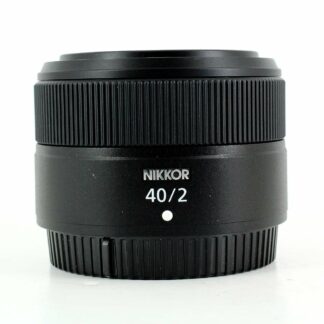
  • Z 40mm f/2 and 50mm f/1.8 S: Budget primes offering great quality under $500 Reddit.

Summary Table

LensUsed Price RangeBest For
Nikkor Z 24–70mm f/4 S~$559–609Everyday use, travel, general shooting
Nikkor Z 24–200mm f/4–6.3 VR~$653+All-in-one travel zoom with stabilization
Nikkor Z 14–30mm f/4 SMSRP ~$1,300 newLandscapes, interiors, creative wide
Nikkor Z 35mm f/1.4Premium fast primeStreet, low-light, portraits
Nikkor Z DX 24mm f/1.7Budget primeCompact DX wide, video, street
Nikkor Z DX 50–250mm f/4.5–6.3 VR~$350 newAffordable telephoto APS-C
Nikkor Z MC 105mm f/2.8 VR SPremium macroClose-ups & portraits
Nikkor Z 85mm f/1.2 SHigh-end primePortraits with creamy bokeh

Final Thought

The Nikon Z-mount system offers an exciting mix of premium optics and strong value—particularly on the used market. Whether you prioritize zoom versatility, macro detail, or portrait rendering, there’s a lens that can elevate your Z camera system affordably and effectively in 2025.

Posted on

Fujifilm vs Sony: Which Used Camera System Has Better Lens Value?

Discover whether Fujifilm or Sony offers better used lens value in 2025. Compare pricing, quality, availability, and long-term benefits to find the best camera system for your budget and needs.

Fujifilm vs Sony: Which Used Camera System Has Better Lens Value?

When it comes to investing in a camera system, lenses are just as important—if not more—than the camera body itself. For photographers considering buying into the used gear market, Fujifilm and Sony are two of the most popular mirrorless ecosystems. But which one offers better lens value when buying used?

In this article, we’ll break down the costqualityavailability, and long-term investment potential of used Fujifilm and Sony lenses to help you decide which system offers more bang for your buck in 2025.


Fujifilm X-Mount System: A Unique APS-C Lens Ecosystem

Fujifilm’s X-Series cameras use an APS-C sensor, and all XF and XC lenses are designed specifically for this format. This gives Fujifilm a distinct advantage: its entire lens ecosystem is optimized for APS-C performance, with no need to adapt full-frame lenses.

Used Lens Pricing

Fujifilm’s used XF lenses hold their value relatively well but are generally more affordable than their full-frame counterparts from Sony. For example:

  • Fujifilm XF 35mm f/1.4 R: Around $300–$400 used
  • Fujifilm XF 56mm f/1.2 R: Around $550–$750 used
  • Fujifilm XF 18-55mm f/2.8-4 R LM OIS: Often under $300 used

These lenses are sharp, compact, and well-built, and since they’re made specifically for APS-C, you’re not paying a premium for full-frame glass you won’t fully utilize.

Optical Quality

Fujifilm primes are known for their film-like rendering, strong color science, and consistent performance. Even some of their older lenses, like the XF 35mm f/1.4, are still beloved for their character and image quality.

Build & Reliability

Many XF lenses feature metal construction, weather sealing, and aperture rings. Even when bought used, they tend to hold up well—assuming they’ve been properly cared for.


Sony E-Mount System: Flexibility and Full-Frame Options

Sony’s E-mount system includes both APS-C and full-frame bodies, which adds flexibility—but also complexity—when buying used lenses.

Used Lens Pricing

Sony’s used lenses can vary wildly in price depending on whether you’re shopping for APS-C or full-frame.

For APS-C (Sony a6000–a6700 series):

  • Sony 35mm f/1.8 OSS: $250–$350 used
  • Sony 16-50mm f/3.5-5.6 OSS: Around $100–$150 used

For full-frame (Sony a7 series):

  • Sony FE 50mm f/1.8: $150–$200 used
  • Sony FE 24-105mm f/4 G OSS: Around $700–$850 used
  • Sony 85mm f/1.8: Around $400–$500 used

While Sony’s lineup includes more modern autofocus designs and often better video autofocus, the used full-frame lenses come at a premium, and even basic zooms can be significantly more expensive than Fuji’s equivalents.

Third-Party Options

One of Sony’s biggest strengths is the wealth of third-party lens support, especially from Sigma and Tamron. Used third-party lenses for Sony are abundant and often provide excellent value:

  • Sigma 24-70mm f/2.8 DG DN Art: Around $800 used
  • Tamron 28-75mm f/2.8 G2: Around $600–$700 used

These lenses perform nearly as well as Sony’s native G Master lenses but are much more budget-friendly.


Availability in the Used Market

Fujifilm

Fujifilm lenses are not as common on the used market as Sony’s, but what’s available tends to be in good condition. Since the Fujifilm community often treats their gear with care, you’re likely to find lenses that have aged well.

However, Fuji’s lens prices stay relatively high, even on the secondhand market—indicating high demand and confidence in long-term lens value.

Sony

Sony lenses, by contrast, are plentiful in the used market—especially for the full-frame FE system. Whether you’re looking for native lenses or third-party options, you’ll find a wide variety at many price points.

However, due to the larger volume of products, condition can vary, and it’s important to verify lens operation, especially for older models or third-party brands.


Autofocus and Video Performance

Sony

If you shoot video, Sony is arguably the better choice. Used Sony lenses often support faster, quieter autofocus motors designed for hybrid shooting. Many Sony lenses are also equipped with linear motors, making them great for vlogging, YouTube, or professional work.

Fujifilm

While Fujifilm has made significant improvements to autofocus in recent years (especially with newer bodies like the X-T4 and X-T5), older lenses like the XF 35mm f/1.4 still use slower, noisier motors. This doesn’t impact stills as much, but video shooters may find it limiting.


Size and Weight Considerations

One of Fujifilm’s key strengths is the compact size of its lenses. Even fast primes and zooms tend to be smaller and lighter than their Sony counterparts. This makes Fuji gear particularly appealing for street photography, travel, and anyone prioritizing portability.

Sony full-frame lenses, on the other hand, tend to be larger and heavier, especially in the fast-aperture zoom category.


Long-Term Value & Ecosystem Growth

Fujifilm

Fujifilm has steadily grown its lens lineup with more pro-level options and even some niche tools like the XF 90mm f/2. Buying into the used Fuji system offers great value if you plan to stick with APS-C. However, the lack of a full-frame path may be a downside for some users.

Sony

Sony offers a more flexible ecosystem, allowing you to start with APS-C and eventually upgrade to full-frame. This makes used Sony lenses a longer-term investment, especially for users who plan to scale their gear as their skills grow.


Conclusion: Which Has Better Lens Value?

The answer depends on your shooting style, budget, and long-term goals:

Choose Fujifilm if you:

  • Prefer compact gear with classic styling
  • Want a system optimized for APS-C
  • Prioritize stills over video
  • Appreciate consistent lens quality at a modest used price

Choose Sony if you:

  • Want the option to upgrade to full-frame
  • Prioritize hybrid photo and video use
  • Appreciate fast, modern autofocus
  • Want access to a broader used and third-party lens market

Both systems offer excellent used lens value, but Fujifilm wins on consistency and simplicity, while Sony excels in flexibility and breadth. Your best bet? Define your shooting priorities, then invest in the system that matches your creative goals.

Posted on

Used Canon L Lenses: Are They Still Worth the Premium Price?

Discover whether used Canon L lenses are still worth the premium price. Explore their build quality, performance, top models to consider, and tips for buying second-hand gear wisely.

Used Canon L Lenses: Are They Still Worth the Premium Price?

When it comes to professional photography gear, Canon’s L-series lenses are legendary. Known for their superior optical quality, weather sealing, and rugged construction, L lenses have earned a reputation as the gold standard for Canon shooters. But what about buying them used? With prices dropping on second-hand models, many photographers—professionals and enthusiasts alike—are wondering: are used Canon L lenses still worth the premium price? In short: yes, and here’s why.


What Makes Canon L Lenses Special?

Canon’s L-series lenses, designated by the iconic red ring around the barrel, are built with professionals in mind. “L” stands for “Luxury,” and these lenses live up to the name with:

  • High-Quality Optics: L lenses use superior glass elements, including fluorite, ultra-low dispersion (UD), and aspherical elements that minimize chromatic aberration, distortion, and ghosting.
  • Fast, Accurate Autofocus: Many L lenses feature Canon’s Ultra Sonic Motor (USM) or Nano USM for silent, precise autofocus performance.
  • Weather Sealing: Rugged construction with gaskets to protect against dust and moisture.
  • Constant Apertures: Zoom lenses in the L series usually have constant wide apertures (like f/2.8 or f/4), making them great for low light and depth-of-field control.
  • Built to Last: These lenses are known to endure thousands of shutter cycles, rough conditions, and demanding usage.

All of these features make L lenses the tools of choice for working professionals, but also appealing to amateurs looking for that edge in quality.


Why Consider Buying Used?

While new L lenses can easily cost upwards of $1,000–$2,500 or more, buying used can reduce that cost by 20%–50%, depending on the model and condition. Here are some reasons why used L lenses are a smart investment:

1. Durability and Longevity

Canon L lenses are built to withstand heavy use. Many are made of metal barrels, and all include high-grade components. This means that even used, they often perform like new. A 10-year-old L lens can still produce images on par with today’s standards.

2. Minimal Depreciation

Unlike camera bodies, which lose value quickly due to technological advances, high-end lenses retain their value. Buying used often means you can resell later with minimal loss—especially if you’ve taken good care of it.

3. Professional Performance at a Discount

Buying a used Canon EF 70-200mm f/2.8L IS II instead of the latest version can save you hundreds of dollars while still delivering pro-level image quality, stabilization, and autofocus.


Best Used Canon L Lenses Worth Considering

Here are some L-series lenses that offer outstanding value when bought used:

Canon EF 24-70mm f/2.8L II USM

  • Why it’s great: The go-to standard zoom for many professionals. Sharp, versatile, and fast.
  • Used price range: ~$800–$1,100
  • New price: ~$1,600

Canon EF 70-200mm f/2.8L IS II USM

  • Why it’s great: Incredible sharpness and image stabilization in a professional-grade telephoto.
  • Used price range: ~$900–$1,200
  • New version (III): ~$2,100

Canon EF 16-35mm f/4L IS USM

  • Why it’s great: Excellent wide-angle option with image stabilization and crisp edge-to-edge sharpness.
  • Used price range: ~$500–$700

Canon EF 135mm f/2L USM

  • Why it’s great: Famous for its creamy bokeh and sharpness—great for portraits.
  • Used price range: ~$500–$650

What to Check Before Buying a Used L Lens

While most L lenses hold up well, it’s smart to thoroughly inspect any used lens before buying:

1. Glass Condition

Look for scratches, fungus, haze, or separation. Minor dust is common and usually not a concern, but mold or fog inside the elements can be expensive to repair.

2. Autofocus Function

Test autofocus on your camera body. Make sure it locks on quickly, accurately, and quietly.

3. Image Stabilization

If the lens has IS, make sure it engages properly and doesn’t make excessive noise or cause image shift.

4. Physical Condition

Check for dents, loose parts, or signs of heavy wear. Some cosmetic scuffs are fine, but damage to the lens mount or filter threads can be problematic.

5. Lens Mount

Ensure the metal mount isn’t worn or bent. A secure mount ensures good communication between the lens and camera.

6. Verify Authenticity

L lenses are sometimes counterfeited. Buy from reputable sellers or dealers, and check serial numbers when possible.


Should You Choose EF or RF Mount L Lenses?

If you’re using a Canon DSLR like the 5D or 6D series, EF L lenses are perfect. If you’ve moved to the Canon mirrorless EOS R system, you can still use EF L lenses with an EF-EOS R adapter, often with full performance retained.

That said, RF L lenses (designed specifically for the RF mount) offer better optical design in some cases, but are newer and cost more—even used. So, buying used EF L lenses for your mirrorless body is still a great budget-friendly option.


Final Verdict: Still Worth It? Absolutely.

Used Canon L lenses continue to offer exceptional performance, durability, and value. Whether you’re a wedding photographer, sports shooter, portrait enthusiast, or landscape artist, there’s a used L lens out there that can elevate your work without draining your wallet.

They might not be brand new, but the images they produce are as sharp, vibrant, and professional as ever. For many photographers, buying a used Canon L lens is the smartest way to get pro gear at a fraction of the price.

Posted on

Best Used Zoom Lenses for Wildlife: Canon, Nikon, and Sigma Compared

Discover the best used zoom lenses for wildlife photography in 2025. Compare top models from Canon, Nikon, and Sigma, with expert tips on what to look for when buying used.

Best Used Zoom Lenses for Wildlife: Canon, Nikon, and Sigma Compared


Wildlife photography is one of the most thrilling genres, demanding precision, patience, and the right gear to capture fleeting moments in nature. While prime lenses have their place, zoom lenses offer the versatility wildlife shooters need, especially when tracking unpredictable animals at varying distances. But top-tier zoom lenses are often expensive—this is where the used lens market shines. In this article, we’ll compare the best used zoom lenses for wildlife photography from Canon, Nikon, and Sigma, helping you find the right lens for your needs and budget.


Why Consider Used Zoom Lenses for Wildlife?

Buying used zoom lenses makes financial and practical sense. Wildlife lenses—especially long telephotos—tend to be built like tanks, with robust weather sealing and durable components that can handle years of use. When purchased from a reputable seller, used lenses often perform nearly as well as new ones, at a fraction of the price. This allows photographers to upgrade their gear without breaking the bank.


What to Look for in a Wildlife Zoom Lens

Before jumping into specific lens models, let’s outline key features to consider when selecting a used wildlife zoom lens:

  • Focal Length Range: Wildlife demands reach—typically 300mm to 600mm is ideal.
  • Image Stabilization (IS/VR/OS): Vital for handholding at long focal lengths.
  • Autofocus Speed & Accuracy: Fast and silent autofocus is crucial for tracking moving subjects.
  • Build Quality: Weather sealing and rugged construction matter when shooting outdoors.
  • Weight: Balancing reach and portability is key, especially for long field sessions.
  • Compatibility: Ensure the lens works seamlessly with your camera body’s autofocus and metering systems.

Top Used Canon Zoom Lenses for Wildlife

Canon EF 100-400mm f/4.5-5.6L IS II USM

  • Why it’s great: Arguably Canon’s most popular wildlife zoom, this L-series lens offers excellent sharpness, fast autofocus, and outstanding image stabilization.
  • Pros: Weather-sealed, lightweight for its class, push-pull zoom replaced with a rotating design.
  • Used price (2025): $1,000–$1,300
  • Best for: Birding, safari, general wildlife in good light.

Canon EF 70-300mm f/4-5.6L IS USM

  • Why it’s great: A compact L lens with superb image quality across the range.
  • Pros: Compact size, strong build, sharp wide open.
  • Used price: $500–$750
  • Best for: Wildlife parks, hiking, beginners stepping into long-range shooting.

Top Used Nikon Zoom Lenses for Wildlife

Nikon AF-S 200-500mm f/5.6E ED VR

  • Why it’s great: A legendary Nikon telephoto zoom that offers incredible reach and image quality at a reasonable price point.
  • Pros: Constant aperture, VR, sharp even at 500mm.
  • Used price: $800–$1,100
  • Best for: Bird and mammal photography on Nikon F-mount DSLRs.

Nikon AF-S 80-400mm f/4.5-5.6G ED VR

  • Why it’s great: More versatile than the 200-500mm and still excellent in terms of sharpness and speed.
  • Pros: Wide focal range, good VR, fast focusing on newer Nikon bodies.
  • Used price: $900–$1,200
  • Best for: Travel wildlife photographers wanting range without bulk.

Top Used Sigma Zoom Lenses for Wildlife (Canon & Nikon Mounts)

Sigma 150-600mm f/5-6.3 DG OS HSM Contemporary

  • Why it’s great: Incredible value with 600mm reach, strong performance, and lighter than most.
  • Pros: Optical stabilization, weather sealing, affordable.
  • Used price: $700–$950
  • Best for: Entry-level and intermediate wildlife photographers needing big reach.

Sigma 150-600mm f/5-6.3 DG OS HSM Sports

  • Why it’s great: A step up from the Contemporary version with better build, weather sealing, and optical performance.
  • Pros: Professional-grade build, customizable via USB dock, superb image quality.
  • Used price: $1,100–$1,400
  • Best for: Pro-level or serious hobbyist wildlife shooters who need reliability in harsh conditions.

Head-to-Head Comparison

LensMax ReachWeightImage StabilizationWeather SealingUsed Price
Canon 100-400mm II400mm1.6kgYesYes$1,000–$1,300
Nikon 200-500mm500mm2.3kgYesPartial$800–$1,100
Sigma 150-600mm C600mm1.9kgYesYes$700–$950
Sigma 150-600mm S600mm2.9kgYesYes (Pro)$1,100–$1,400

Verdict:

  • Best Budget Reach: Sigma 150-600mm Contemporary
  • Best Overall Performance: Canon 100-400mm II or Sigma 150-600mm Sports
  • Best Nikon Pick: Nikon 200-500mm f/5.6E

Tips for Buying Used Wildlife Zoom Lenses

  1. Inspect for Dust, Fungus, or Scratches: Use a flashlight to inspect internal glass.
  2. Check Image Stabilization and AF: Ensure stabilization activates and focus motors are fast and silent.
  3. Test for Creep and Zoom Smoothness: Older zooms may have zoom creep or sticky barrels.
  4. Buy from Trusted Sellers: Look for warranties, return policies, and reputation.
  5. Factor in Accessories: Tripod collars, lens hoods, and cases can add value.

Final Thoughts

Used zoom lenses from Canon, Nikon, and Sigma offer incredible value for wildlife photographers in 2025. Whether you’re a beginner looking for reach or a seasoned shooter wanting dependable optics without the premium new price tag, there’s something in the used market for everyone.

While Canon and Nikon offer top-tier OEM options, Sigma’s third-party offerings deliver exceptional bang for the buck—especially at the long end of the focal range. Whichever you choose, a good wildlife lens is an investment that pays off in unforgettable images of nature at its finest.

Posted on

Why the Used Canon EF 50mm f/1.8 II ‘Nifty Fifty’ Is Still the Best Bang for Your Buck

Discover why the used Canon EF 50mm f/1.8 II, known as the “Nifty Fifty,” remains a top-value lens in 2025. Learn about its image quality, versatility, and why it’s still a must-have for budget-conscious photographers.

Why the Used Canon EF 50mm f/1.8 II ‘Nifty Fifty’ Is Still the Best Bang for Your Buck

In the ever-evolving world of photography, where new gear is released every year with advanced features and price tags to match, there are a few pieces of equipment that defy the trends and remain relevant year after year. One of the most notable examples is the Canon EF 50mm f/1.8 II—affectionately dubbed the “Nifty Fifty.” Even as newer models and mirrorless systems take center stage, this modest prime lens continues to be a top recommendation—especially when bought used.

So why does this inexpensive lens, first released in 1990 and discontinued in 2015, still generate so much buzz in 2025? Let’s explore what makes the used Canon EF 50mm f/1.8 II a phenomenal investment for photographers of all skill levels.


A Classic That Punches Above Its Weight

The Canon EF 50mm f/1.8 II was designed as an affordable, lightweight prime lens for Canon’s EF-mount DSLR cameras. On the surface, it seems basic—plastic build, no fancy image stabilization, and a relatively slow autofocus motor by today’s standards. But when you look at what truly matters—sharpness, bokeh, and light-gathering ability—it delivers in spades.

At f/1.8, this lens excels in low-light situations and offers that creamy depth of field that’s beloved in portrait and street photography. Its optical performance rivals that of lenses many times its price, making it one of the best values in photography even decades after its release.


Outstanding Image Quality at a Budget Price

Sharpness is where the Nifty Fifty shines. When stopped down to f/2.8 or f/4, it delivers crisp, high-contrast images that are ideal for portraits, food photography, and everyday use. The color rendering is natural and pleasant, while the background blur (bokeh) is smooth and soft—especially impressive for such a small and inexpensive lens.

While wide-open performance at f/1.8 shows a bit of softness and vignetting, many photographers find these qualities add character to the image, making portraits appear more organic and film-like. And if needed, they can be corrected easily in post-processing.


Lightweight and Inconspicuous

Weighing just 130 grams (4.6 oz), the EF 50mm f/1.8 II is incredibly light and compact. This makes it perfect for travel, street photography, or just keeping your kit light and agile. Its size allows photographers to be more discreet—capturing candid moments without drawing attention to a large setup.

The minimalist design also makes it a great match for smaller Canon DSLRs, like the Rebel series. Together, they form a highly capable, budget-friendly setup that’s easy to carry all day.


Ideal Focal Length for Beginners and Pros Alike

On full-frame cameras, the 50mm focal length provides a natural field of view—very close to what the human eye sees. This makes it incredibly versatile for all kinds of photography: portraits, events, documentary, food, even landscape.

On APS-C Canon DSLRs (like the Canon Rebel T7 or 90D), the lens acts more like an 80mm equivalent. This makes it excellent for portraiture, giving flattering compression and beautiful background separation for headshots and close-ups.

Its versatility makes the Nifty Fifty an excellent tool for photographers learning the ropes or seasoned shooters looking to simplify their kit.


Still Compatible in the Mirrorless Era

Even with the rise of Canon’s RF mirrorless system, the EF 50mm f/1.8 II continues to hold value thanks to compatibility with Canon’s EF to RF adapters. This means you can easily mount this lens on newer mirrorless bodies like the EOS R, R6, or R8 without sacrificing performance.

While newer RF lenses offer faster autofocus and more modern designs, they come with significantly higher prices. The adapted EF 50mm f/1.8 II still delivers great results at a fraction of the cost.


Why Buying Used Makes Even More Sense

Perhaps the strongest argument for the EF 50mm f/1.8 II is how much value it offers when bought used. Since Canon discontinued this lens in 2015 and replaced it with the slightly more premium EF 50mm f/1.8 STM, many older copies are still floating around the market at very affordable prices—often under $75.

Used copies in good condition still perform nearly as well as new lenses, and the simple construction means there are fewer internal components likely to fail. It’s a low-risk, high-reward purchase.

When buying used, be sure to check for:

  • Smooth focusing (autofocus and manual)
  • Clean optics (no scratches, fungus, or haze)
  • Snappy aperture blades
  • Mount condition (no excessive wear)

Most of these lenses were lightly used or served as a beginner’s lens, so finding a clean example is relatively easy.


A Gateway to Prime Lens Photography

For many photographers, the EF 50mm f/1.8 II is their first prime lens—and for good reason. It opens up creative possibilities with its wide aperture and teaches important skills like composition, framing, and shooting with fixed focal lengths.

It’s often described as the lens that teaches you how to see. You move your feet instead of zooming. You learn how to anticipate shots and frame intentionally. For both hobbyists and aspiring professionals, that’s a priceless experience.


Final Thoughts

In a photography world that’s constantly evolving, the Canon EF 50mm f/1.8 II remains a shining example of why newer isn’t always better. Its combination of sharp optics, fast aperture, compact size, and unbeatable price continues to make it a favorite among photographers worldwide.

When bought used, it becomes an even smarter investment—offering tremendous value for beginners, seasoned shooters, and anyone looking to add a versatile prime lens to their Canon EF kit.

Whether you’re capturing your first portrait, traveling light for street photography, or building a budget-friendly DSLR setup, the Nifty Fifty proves that great photography doesn’t have to break the bank.

Posted on

Canon 18-55mm Lenses Compared: Non-IS, IS, STM, EF-S, and EF-M – Which One to Buy Used?

Confused about which Canon 18-55mm lens to buy used? This in-depth comparison covers Non-IS, IS, STM, EF-S, and EF-M versions—helping you choose the best one for your camera, budget, and shooting style in 2025.

Canon 18-55mm Lenses Compared: Non-IS, IS, STM, EF-S, and EF-M – Which One to Buy Used?

Introduction
Canon’s 18-55mm lens lineup has long been a go-to option for entry-level photographers and budget-conscious creatives. While often bundled with beginner DSLRs or mirrorless cameras, these lenses differ significantly across versions. If you’re in the market for a used Canon 18-55mm, understanding the differences between Non-IS, IS, STM, EF-S, and EF-M versions can help you make a smart and cost-effective decision. This article breaks down the most common used 18-55mm Canon lenses, evaluates their performance, and offers advice on which one is best suited for your needs in 2025.


1. Canon EF-S 18-55mm f/3.5-5.6 (Non-IS)

Overview:
This is the earliest version of Canon’s 18-55mm lens and is usually found on older models like the Rebel XT or XTi. It lacks Image Stabilization (IS), which makes it the least desirable in low light or handheld shooting conditions.

Pros:

  • Very cheap on the used market
  • Decent image quality at f/8
  • Lightweight

Cons:

  • No image stabilization
  • Slower autofocus
  • Poorer build quality

Best for:
Absolute beginners or those on a tight budget who will mostly shoot in good lighting or use a tripod.


2. Canon EF-S 18-55mm f/3.5-5.6 IS (Mark I & II)

Overview:
Canon introduced Image Stabilization in the next iterations of the lens, a huge improvement for handheld photography. The IS version produces better handheld shots in low light and offers a more solid build.

Pros:

  • Affordable used prices
  • Includes IS
  • Acceptable sharpness for general use

Cons:

  • Noisy autofocus
  • Not ideal for video

Best for:
Casual photographers looking for an affordable, stabilized everyday lens.


3. Canon EF-S 18-55mm f/3.5-5.6 IS STM

Overview:
The STM (Stepping Motor) version brought significant upgrades in focus speed, smoothness, and quiet operation—making it ideal for video. It’s one of the most popular and reliable kit lenses Canon has made.

Pros:

  • Smooth, silent STM autofocus
  • Great for video
  • Improved sharpness and coatings
  • Still very affordable used

Cons:

  • Plastic build
  • Not weather-sealed

Best for:
Video shooters, vloggers, and general photographers looking for quiet, quick autofocus.


4. Canon EF-S 18-55mm f/4-5.6 IS STM

Overview:
This slightly newer version is smaller and lighter than its predecessors. The aperture starts at f/4 instead of f/3.5, which is a trade-off for portability. Image quality and IS are slightly refined, and it retains the STM motor.

Pros:

  • Compact and lightweight
  • Quiet, smooth focus for video
  • Improved optics

Cons:

  • Slightly slower aperture
  • Still plastic build

Best for:
Photographers who prioritize compact gear or use newer Canon DSLR bodies like the Rebel SL2 or SL3.


5. Canon EF-M 18-55mm f/3.5-5.6 IS STM

Overview:
This version is designed specifically for Canon’s now-discontinued EOS M mirrorless system. It features a more premium metal construction and delivers sharp, high-quality images.

Pros:

  • Sharp image quality
  • Metal build
  • Smooth, quiet STM focus

Cons:

  • Limited to EF-M mount cameras
  • EOS M system has been phased out

Best for:
Users of Canon EOS M series cameras who want a reliable, quality standard zoom.


Comparison Table:

Lens VersionISSTMFor DSLR or MirrorlessProsBest Use Case
Non-ISNoNoDSLR (EF-S)Cheapest optionBeginners, tripod use only
ISYesNoDSLR (EF-S)Basic stabilizationGeneral photography
IS STMYesYesDSLR (EF-S)Quiet focus, sharp imagesVideo & general shooting
f/4-5.6 IS STMYesYesDSLR (EF-S)Compact, sharpTravel & compact setups
EF-M IS STMYesYesMirrorless (EF-M)Premium feel, sharpEOS M users, vloggers, content creators

What to Look for When Buying Used

  • Check Autofocus Performance: Make sure the motor is functioning smoothly, especially for STM versions.
  • Inspect for Dust or Fungus: Especially with older lenses, check internal elements.
  • Test Image Stabilization: Ensure IS still activates and works as expected.
  • Assess Physical Condition: Look for scratches, cracks, or wear on the lens barrel or glass.

Final Thoughts: Which Should You Choose?

If you’re looking for the best all-around used Canon 18-55mm lens in 2025, the EF-S 18-55mm IS STM still reigns as the best value, especially for video and hybrid shooters. For DSLR users who want a lighter option, the f/4-5.6 IS STM version is excellent. If you own an EOS M mirrorless camera, the EF-M 18-55mm IS STM offers surprisingly strong optics and build for its price.

Avoid the Non-IS version unless budget is your only concern, and be cautious about long-term investment in EF-M lenses since the system has been discontinued.

Used Canon 18-55mm lenses are plentiful, inexpensive, and surprisingly capable—making them a smart buy when paired with the right body.