Posted on

Best Used Zoom Lenses for Wildlife: Canon, Nikon, and Sigma Compared

Discover the best used zoom lenses for wildlife photography in 2025. Compare top models from Canon, Nikon, and Sigma, with expert tips on what to look for when buying used.

Best Used Zoom Lenses for Wildlife: Canon, Nikon, and Sigma Compared


Wildlife photography is one of the most thrilling genres, demanding precision, patience, and the right gear to capture fleeting moments in nature. While prime lenses have their place, zoom lenses offer the versatility wildlife shooters need, especially when tracking unpredictable animals at varying distances. But top-tier zoom lenses are often expensive—this is where the used lens market shines. In this article, we’ll compare the best used zoom lenses for wildlife photography from Canon, Nikon, and Sigma, helping you find the right lens for your needs and budget.


Why Consider Used Zoom Lenses for Wildlife?

Buying used zoom lenses makes financial and practical sense. Wildlife lenses—especially long telephotos—tend to be built like tanks, with robust weather sealing and durable components that can handle years of use. When purchased from a reputable seller, used lenses often perform nearly as well as new ones, at a fraction of the price. This allows photographers to upgrade their gear without breaking the bank.


What to Look for in a Wildlife Zoom Lens

Before jumping into specific lens models, let’s outline key features to consider when selecting a used wildlife zoom lens:

  • Focal Length Range: Wildlife demands reach—typically 300mm to 600mm is ideal.
  • Image Stabilization (IS/VR/OS): Vital for handholding at long focal lengths.
  • Autofocus Speed & Accuracy: Fast and silent autofocus is crucial for tracking moving subjects.
  • Build Quality: Weather sealing and rugged construction matter when shooting outdoors.
  • Weight: Balancing reach and portability is key, especially for long field sessions.
  • Compatibility: Ensure the lens works seamlessly with your camera body’s autofocus and metering systems.

Top Used Canon Zoom Lenses for Wildlife

Canon EF 100-400mm f/4.5-5.6L IS II USM

  • Why it’s great: Arguably Canon’s most popular wildlife zoom, this L-series lens offers excellent sharpness, fast autofocus, and outstanding image stabilization.
  • Pros: Weather-sealed, lightweight for its class, push-pull zoom replaced with a rotating design.
  • Used price (2025): $1,000–$1,300
  • Best for: Birding, safari, general wildlife in good light.

Canon EF 70-300mm f/4-5.6L IS USM

  • Why it’s great: A compact L lens with superb image quality across the range.
  • Pros: Compact size, strong build, sharp wide open.
  • Used price: $500–$750
  • Best for: Wildlife parks, hiking, beginners stepping into long-range shooting.

Top Used Nikon Zoom Lenses for Wildlife

Nikon AF-S 200-500mm f/5.6E ED VR

  • Why it’s great: A legendary Nikon telephoto zoom that offers incredible reach and image quality at a reasonable price point.
  • Pros: Constant aperture, VR, sharp even at 500mm.
  • Used price: $800–$1,100
  • Best for: Bird and mammal photography on Nikon F-mount DSLRs.

Nikon AF-S 80-400mm f/4.5-5.6G ED VR

  • Why it’s great: More versatile than the 200-500mm and still excellent in terms of sharpness and speed.
  • Pros: Wide focal range, good VR, fast focusing on newer Nikon bodies.
  • Used price: $900–$1,200
  • Best for: Travel wildlife photographers wanting range without bulk.

Top Used Sigma Zoom Lenses for Wildlife (Canon & Nikon Mounts)

Sigma 150-600mm f/5-6.3 DG OS HSM Contemporary

  • Why it’s great: Incredible value with 600mm reach, strong performance, and lighter than most.
  • Pros: Optical stabilization, weather sealing, affordable.
  • Used price: $700–$950
  • Best for: Entry-level and intermediate wildlife photographers needing big reach.

Sigma 150-600mm f/5-6.3 DG OS HSM Sports

  • Why it’s great: A step up from the Contemporary version with better build, weather sealing, and optical performance.
  • Pros: Professional-grade build, customizable via USB dock, superb image quality.
  • Used price: $1,100–$1,400
  • Best for: Pro-level or serious hobbyist wildlife shooters who need reliability in harsh conditions.

Head-to-Head Comparison

LensMax ReachWeightImage StabilizationWeather SealingUsed Price
Canon 100-400mm II400mm1.6kgYesYes$1,000–$1,300
Nikon 200-500mm500mm2.3kgYesPartial$800–$1,100
Sigma 150-600mm C600mm1.9kgYesYes$700–$950
Sigma 150-600mm S600mm2.9kgYesYes (Pro)$1,100–$1,400

Verdict:

  • Best Budget Reach: Sigma 150-600mm Contemporary
  • Best Overall Performance: Canon 100-400mm II or Sigma 150-600mm Sports
  • Best Nikon Pick: Nikon 200-500mm f/5.6E

Tips for Buying Used Wildlife Zoom Lenses

  1. Inspect for Dust, Fungus, or Scratches: Use a flashlight to inspect internal glass.
  2. Check Image Stabilization and AF: Ensure stabilization activates and focus motors are fast and silent.
  3. Test for Creep and Zoom Smoothness: Older zooms may have zoom creep or sticky barrels.
  4. Buy from Trusted Sellers: Look for warranties, return policies, and reputation.
  5. Factor in Accessories: Tripod collars, lens hoods, and cases can add value.

Final Thoughts

Used zoom lenses from Canon, Nikon, and Sigma offer incredible value for wildlife photographers in 2025. Whether you’re a beginner looking for reach or a seasoned shooter wanting dependable optics without the premium new price tag, there’s something in the used market for everyone.

While Canon and Nikon offer top-tier OEM options, Sigma’s third-party offerings deliver exceptional bang for the buck—especially at the long end of the focal range. Whichever you choose, a good wildlife lens is an investment that pays off in unforgettable images of nature at its finest.

Posted on

Why the Fujifilm XF 35mm f/1.4 Is a Must-Have (Even Used)

Discover why the Fujifilm XF 35mm f/1.4 remains a must-have lens in 2025 — even when bought used. Explore its unique image quality, versatility, and lasting value for Fujifilm X-Series photographers.

Why the Fujifilm XF 35mm f/1.4 Is a Must-Have (Even Used)

In the world of Fujifilm photography, few lenses carry the same legendary status as the Fujifilm XF 35mm f/1.4 R. Known for its distinctive rendering, compact build, and unbeatable image quality, it has earned a cult following among enthusiasts and professionals alike. But what makes this lens such a must-have — even when purchased used?

Whether you’re a long-time Fujifilm shooter or just diving into the X-Series ecosystem, the XF 35mm f/1.4 is a lens that offers something special. And when you find it on the used market, it becomes an even more compelling deal. In this article, we’ll break down why this classic prime lens remains relevant in 2025 and why it’s a smart buy — even pre-owned.


1. A True Classic: Focal Length and Versatility

The XF 35mm f/1.4 provides a 50mm full-frame equivalent field of view, often considered the most natural and versatile focal length. It closely matches the way our eyes see the world, making it ideal for:

  • Street photography
  • Environmental portraits
  • Everyday life and documentary work
  • Food, travel, and even product photography

This “nifty fifty” equivalent is beloved because it can handle almost anything. It’s wide enough for general scenes but tight enough for subject separation and storytelling.


2. Unmatched Character and Image Quality

What sets the 35mm f/1.4 apart from newer, technically sharper lenses is its character. This lens delivers images with a unique rendering — creamy bokeh, rich micro-contrast, and a subtle glow at wide apertures.

While newer XF lenses might win in lab sharpness, many photographers argue the 35mm f/1.4 has more soul. Photos taken with it feel organic, cinematic, and emotional — characteristics that can’t always be measured on a chart.

Key optical strengths:

  • Beautiful, natural bokeh
  • Excellent subject separation at f/1.4
  • Strong center sharpness with pleasing fall-off to the edges
  • Low chromatic aberration and controlled distortion

Even by 2025 standards, this lens stands tall against the competition, especially for those who prioritize feel over perfection.


3. Low-Light Powerhouse

With an ultra-wide f/1.4 aperture, this lens excels in low-light scenarios. Whether you’re shooting indoor events, night cityscapes, or ambient-lit portraits, the XF 35mm f/1.4 allows you to maintain lower ISOs and faster shutter speeds.

Combined with Fujifilm’s high-performing X-Trans sensors and in-body stabilization in newer camera bodies (like the X-T5 or X-H2), this lens becomes a reliable tool in dim conditions, even without flash or tripod support.


4. Compact and Lightweight Build

Despite being a fast prime, the lens is remarkably compact — just 187g. Mounted on any Fujifilm X-Series body, it keeps your setup lightweight and discreet — perfect for travel, street, and candid photography.

You get professional image quality in a size that won’t weigh you down. This makes it a favorite among minimalists and those who prefer a more classic, analog-style shooting experience.


5. Used Units Offer Tremendous Value

A new XF 35mm f/1.4 typically retails between $550–$600, but you can often find used copies for 30–40% less depending on condition and market.

When buying used, especially from trusted sources that test and grade gear, you’re getting:

  • The same optical performance
  • A lens that holds its value extremely well
  • A chance to own a classic for much less

With a solid build and high demand, the 35mm f/1.4 continues to be one of the best investments in Fujifilm’s ecosystem — used or new.


6. Durability and Longevity

One concern some have with used lenses is their condition over time, but the XF 35mm f/1.4 is built to last. Despite not being weather-sealed, its all-metal construction, robust mount, and simple optical design help it age gracefully.

Even after years of use, the aperture ring remains tactile, the focus ring smooth, and the optics clear if properly maintained. It’s not uncommon to see 5–10-year-old copies still delivering stunning results.


7. Manual Focus Feel & Mechanical Charm

While it’s an autofocus lens, the manual focus experience is a highlight. The focus-by-wire system in this older lens is more responsive and smooth compared to some newer lenses.

And let’s not forget the classic aperture ring, which gives you full tactile control — a favorite among Fujifilm users who love that analog shooting experience.


8. It Pairs Beautifully with Every Fujifilm Body

Whether you’re using the X-Pro3X-T5X-H2, or even an older X-E2, the 35mm f/1.4 feels at home. Its compactness balances beautifully on smaller bodies, while its performance shines on higher-resolution sensors.

Plus, its rendering style complements Fujifilm’s film simulations like Classic ChromeProvia, and Acros, giving you incredible JPEGs straight out of the camera.


9. A Beloved Lens in the Photography Community

This lens has been called the “soul of the X-Series” by many Fujifilm users. You’ll find glowing reviews, blog posts, YouTube videos, and sample galleries that all praise its special look and feel.

That passionate community support means you’ll never run out of inspiration or tips on how to make the most of it — whether you’re shooting portraits, travel, or everyday moments.


Final Thoughts: Should You Buy It Used?

Absolutely. The Fujifilm XF 35mm f/1.4 is one of those rare lenses that delivers timeless performance, not just technical specs. Its charm, image quality, and versatility make it an essential part of any Fujifilm shooter’s kit — and buying it used only makes it more accessible.

If you find a well-cared-for used copy from a reputable seller that offers warranty and grading, don’t hesitate. You’re not just getting a lens — you’re investing in one of the most iconic pieces of Fujifilm gear ever made.

Posted on

Used Portrait Lenses That Deliver Stunning Bokeh

Discover the best used portrait lenses that deliver stunning bokeh without breaking the bank. Explore affordable Canon, Nikon, Sony, Fujifilm, and vintage lenses for beautiful background blur.

Used Portrait Lenses That Deliver Stunning Bokeh

For portrait photographers, few things are as desirable as lenses that produce beautiful, creamy bokeh—that smooth, dreamy background blur that makes subjects pop and gives images a professional look. While modern high-end lenses are engineered to deliver flawless bokeh, they often come with steep price tags. Fortunately, the used lens market is filled with incredible portrait lenses that offer stunning bokeh at a fraction of the cost.

In this article, we’ll explore some of the best used portrait lenses renowned for their bokeh quality. Whether you’re a beginner looking for affordable options or an enthusiast seeking unique character, these lenses will elevate your portrait photography without breaking the bank.


Why Bokeh Matters in Portrait Photography

Bokeh, derived from the Japanese word “boke” meaning blur, refers to the aesthetic quality of the out-of-focus areas in an image. In portrait photography, good bokeh helps isolate the subject from distracting backgrounds, creating a sense of depth and enhancing the overall visual appeal.

Lenses that render smooth, circular bokeh balls and soft background transitions are highly sought after. Factors influencing bokeh quality include:

  • Wide apertures (f/1.2, f/1.4, f/1.8)
  • Optical design and diaphragm blade shape
  • Focal length (longer lenses compress backgrounds more effectively)

Top Used Portrait Lenses for Stunning Bokeh

1. Canon EF 85mm f/1.8 USM

  • Mount: Canon EF (Full-frame & APS-C)
  • Why it’s great: Known as the “budget portrait king,” the Canon EF 85mm f/1.8 offers beautiful background blur, fast autofocus, and excellent sharpness.
  • Bokeh Quality: Smooth and creamy, with soft edge transitions that give portraits a professional feel.
  • Used Price Range: $250–$350

2. Nikon AF-S 85mm f/1.8G

  • Mount: Nikon F (Full-frame & APS-C)
  • Why it’s great: Lightweight, sharp, and with superb color rendering, this lens is a go-to for Nikon shooters wanting portrait-quality bokeh without paying for the more expensive f/1.4 version.
  • Bokeh Quality: Clean, soft bokeh with minimal chromatic aberrations.
  • Used Price Range: $300–$400

3. Sony FE 85mm f/1.8

  • Mount: Sony E (Full-frame & APS-C)
  • Why it’s great: One of the best value lenses in Sony’s lineup, it combines fast autofocus with exceptional sharpness and pleasing bokeh.
  • Bokeh Quality: Smooth, round bokeh highlights thanks to a 9-blade circular aperture.
  • Used Price Range: $350–$450

4. Fujifilm XF 56mm f/1.2 R

  • Mount: Fujifilm X (APS-C)
  • Why it’s great: Arguably the best portrait lens in Fujifilm’s lineup, offering a full-frame equivalent focal length of 85mm.
  • Bokeh Quality: Silky smooth with excellent subject isolation. The f/1.2 aperture delivers beautiful background blur.
  • Used Price Range: $500–$700

5. Sigma 85mm f/1.4 EX DG HSM (Canon/Nikon Mounts)

  • Mount: Canon EF, Nikon F
  • Why it’s great: Sigma’s older Art predecessor, this lens is known for its sharpness and fantastic bokeh at a more accessible price point than Canon or Nikon’s f/1.4 offerings.
  • Bokeh Quality: Creamy bokeh with excellent separation, especially at f/1.4.
  • Used Price Range: $400–$600

6. Canon EF 135mm f/2L USM

  • Mount: Canon EF (Full-frame & APS-C)
  • Why it’s great: A legendary lens for portraits and headshots, offering buttery smooth bokeh and excellent subject compression.
  • Bokeh Quality: One of the smoothest bokeh renderings in Canon’s lineup.
  • Used Price Range: $600–$800

7. Nikon AF DC-Nikkor 105mm f/2D

  • Mount: Nikon F (Full-frame & APS-C)
  • Why it’s great: A unique Defocus Control (DC) lens that allows photographers to fine-tune the foreground and background bokeh.
  • Bokeh Quality: Creamy with the ability to adjust the softness via DC controls.
  • Used Price Range: $600–$750

8. Helios 44-2 58mm f/2 (M42 Mount)

  • Mount: Adaptable to most mirrorless cameras
  • Why it’s great: A vintage gem, beloved for its unique swirly bokeh effect that gives portraits a dreamy, artistic feel.
  • Bokeh Quality: Character-rich, swirly bokeh that’s hard to replicate with modern lenses.
  • Used Price Range: $50–$100

What to Look for When Buying Used Bokeh Lenses

When shopping for used portrait lenses with bokeh in mind, here are key factors to inspect:

1. Lens Optics Condition

  • Check for scratches, haze, or fungus on glass elements.
  • Minor internal dust is common in used lenses and rarely affects image quality.

2. Aperture Blade Function

  • Ensure aperture blades are free from oil and move smoothly.
  • Aperture shape directly affects bokeh rendering, so circular blades are preferred.

3. Autofocus Performance

  • Test autofocus speed and accuracy if applicable.
  • Some used lenses may have worn motors, leading to slower or noisy focusing.

4. Build Quality

  • Check for dents or damage to the lens barrel, filter threads, and mount.
  • A well-maintained lens will feel solid with smooth focus and zoom rings.

5. Compatibility and Adaptability

  • Ensure the lens mount is compatible with your camera body.
  • For vintage lenses like the Helios, you’ll need a proper adapter for mirrorless systems.

Vintage Lenses: The Bokeh Artist’s Secret Weapon

Many vintage lenses are celebrated for their unique bokeh character. While they lack autofocus and electronic contacts, they reward photographers with creative, artistic rendering. Lenses like the Carl Zeiss Jena Biotar 58mm f/2 and the Pentacon 135mm f/2.8 are popular among bokeh enthusiasts for their distinctive background blur.

With manual focus and aperture control, using vintage lenses encourages a slower, more intentional shooting process. This can lead to more thoughtful compositions and a deeper appreciation of how light interacts with your subject and background.


Why Used Lenses Are Perfect for Bokeh Lovers on a Budget

The used market provides access to professional-grade lenses at a price point that’s friendly to enthusiasts and hobbyists. While brand-new bokeh-centric lenses like the Canon RF 85mm f/1.2L or Sony FE 135mm f/1.8 GM can cost over $2000, their used counterparts—or older versions—deliver stunning results at a fraction of the price.

Additionally, lens designs that emphasize bokeh quality (such as wide maximum apertures and specialized optical coatings) retain their value and performance for many years, making them safe investments even when bought used.


Tips for Capturing Beautiful Bokeh Portraits

  • Shoot at Wide Apertures: Use f/1.2 to f/2.8 for the softest background blur.
  • Increase Subject-Background Distance: The farther your subject is from the background, the smoother the bokeh.
  • Choose Backgrounds with Light Points: Light sources like fairy lights or sunlight filtering through trees create pleasing bokeh balls.
  • Use Telephoto Focal Lengths: Longer focal lengths like 85mm, 105mm, or 135mm compress the background, enhancing the bokeh effect.
  • Mind the Distance to Subject: Get closer to your subject to amplify the depth-of-field separation.

Conclusion

You don’t need to spend a fortune to capture portraits with mesmerizing bokeh. The used lens market is filled with hidden gems that deliver professional-level background blur, allowing photographers of all levels to create stunning, dreamy portraits. From classic 85mm primes to unique vintage lenses like the Helios 44-2, there are countless affordable options that bring character and depth to your images.

Whether you’re shooting with Canon, Nikon, Sony, Fujifilm, or adapting vintage glass to a modern mirrorless body, investing in a well-chosen used portrait lens will dramatically elevate your photography, all while keeping your budget intact.

Posted on

Key Components of Your DSLR

I’m not going to invest a lot of time in this article on the mechanical aspects of digital SLRs.

  1. Light path. The yellow arrows represent an overly simplified path for the light entering the lens and making its way to the viewfinder and sensor. In reality, the light is refracted at angles as it passes through the lens elements (2), and is redirected down to the autofocus sensor by the mirror (3) or up to the focus screen (4) or through the shutter to the sensor (9).
  2. Lens components. Lenses include a differing number of elements made from glass, plastic, or another product. These aspects are fixed in place, or can relocate relation to other aspects to focus or zoom the image, or, in an image-stabilized lens, be shifted to compensate for camera movement
  3. Mirror. The mirror is a flip-up partly silvered part that directs the majority of the light upwards towards the seeing system and exposure meters, and some of the light downwards toward the autofocus elements. (In some SLR-like cams, a non-moving mirror may bounce light upwards to an autofocus system, while permitting the rest of the illumination to pass through to the sensing unit for live watching in an electronic viewfinder to back-panel LCD.).
  4. Focus screen. When the mirror is turned down, light that has actually travelled through the lens is concentrated on this screen.

Pentaprism/pentamirror. This optical component can be a solid glass block, or pentaprism, silvered on 2 surfaces to show the light, or a less-efficient (in regards to light transmission) hollow structure, a pentamirror, that uses only mirrors. The reflective surfaces reverse the focus screen image gotten from the lens/lower mirror both laterally and vertically, producing a right-reading view.

In the typical DSLR, the direct exposure meter discovers light in the viewingpath, utilizing a range of points in the frame that range in number from a lots to more than 2,000, depending on the electronic camera. Readings might include brightness only, or capture full red/green/blue information to allow the video camera to make direct exposure choices based on a matrix of points, a little “spot meter” set of points, or a center-weighted average of the points translated.

Some viewfinders have a shutter that can be closed to keep light from entering the seeing system and impacting the exposure meter (6 ). Vendors also might provide a rubber or plastic cover to slide over the viewfinder window to obstruct light. Extra devices, such as a magnifier lens or right-angle audience, might be provided for the viewfinder.

Some of the light from the lens is shown downwards to this sensor. It uses pairs of lenses (usually 3 to 51 pairs, depending on the camera) to divide off portions of the beam to form autofocus points or zones that are lined up, in rangefinder style, to allow stage detection autofocus functions.

The shutter is a pair of vertically taking a trip drapes (9, left) that open consecutively to produce a gap for light from the lens to pass through when the main mirror flips up. The sensing unit (9, right) consists of light-sensitive photo sites that tape the image and pass it off to the electronic camera’s analog-to-digital signal processing chip, and then to a memory card for storage.

Posted on

The perfect setting for couple photo shooting

Time stands still for a couple in love – ideal when this moment is captured photographically. For couple photographers, it is a nice challenge to capture the affection of two people for one another through a professional shoot.

The recordings are not as intimate as with a selfie, but a photographer can perceive even more and has completely different technical possibilities.
And the couple can concentrate on the most important thing: their love.

Every couple who wants a photographer to capture their love for one another is unique. The challenge for a couple photographer is to depict this uniqueness and to tease it out with the design of the shoot. In one moment, as in storytelling, a whole story can be told – the same goes for the relationship between two people.

Giving away couple photo shoots


in the time of the greatest bond between two partners, both feel like they are in abundance. So it makes sense to give away photos of the couple in love together. With such a couple shoot, there are many different ways to perfectly reflect the happiness of the two.

Giving away a photo shoot is a highly analogous affair. And so the region in which the couple lives is sometimes the most important selection criterion. Next, a couple has to decide which style they prefer: romantic, elegant or rather crazy and unusual? In order to implement this, the shooting location, the couple’s outfit and the posing are adjusted accordingly. There are no limits to your imagination. Is there a special occasion for the gift, such as an anniversary or wedding anniversary? A very special quality or a hobby that the couple share? The ideas for designing the shoot are diverse and make the decisive difference.

What are the ingredients for successful couple photos?


The inner image of a couple of themselves is captured in the best case in the most beautiful facets and colors in the photos. In order for a couple shoot to deliver exactly the images that a couple wants of each other, it is important that the ingredients are precisely coordinated. Before the shoot begins, a photographer should discuss the details with the couple so that the right preparations can be made.

The right location:


The photo location is selected depending on what a couple wants. Probably the best lighting conditions can be created in the studio, but maybe it should be an outdoor location that best characterizes the couple or where they feel particularly comfortable?
Is it supposed to rain confetti or have a crazy lifting figure built in? Then the location must offer the opportunity to implement these ideas.

The right outfit and appearance


the picture is about a natural expression, but it can look flawless. In order for both to make the best possible impression, it is an advantage to be able to offer make-up or hair styling during the shoot. It probably makes the couple feel more confident about getting professionally styled beforehand. The outfit should also be designed in such a way that it can withstand years of observation. In the case of a wedding or engagement, a couple may want to have their valuable outfits or accessories properly staged.

Posing


Of course, a photo shoot is a posed situation. However, it must not look like this in the subsequent photos. For photographers as well as for couples, it is a challenge to create poses that are as natural as possible in a photo shoot and positions that appear authentic and unsteady. All tips that help the couple to come across as relaxed and relaxed are helpful: For example, the wish whispered in the ear for dinner or the instruction from the photographer to think about the most beautiful moment in their life. Keeping an eye on the couple outside of the official photo shoot can also make a great picture.

Proper Technique


Photographic equipment and shooting techniques should be professional and appropriate. The photographer should know what his strengths are or what technique he thinks works best to portray the couple and the situation. However, technology should never be more important than capturing the special moment between the couple or makcalendar, the former competitive swimmer is not only causing a sensation with his customers with his wedding photos. In just five years as a wedding photographer,  Steven Herrschaft has already received over 100 awards for his pictures: Masters of Wedding Photography,  Fearless Award , Editor’s Choice Award – the list of honors doesn’t seem to end.

How does this young photographer do it? Soft focus is not his method of choice. Striking shadows and unusual perspectives, in which the groom’s bare feet come into focus, are more of a technical description of his style. But what sets him apart is his experimental and intuitive approach. In the style of a street photographer, he throws himself into the action and follows his instinct. He also regularly celebrates at the weddings until the end – every weekend anew. His finding: the chemistry with the couple has to be right, then emotions can best be captured.

To capture the right snapshots of a couple, you need to be imaginative and spontaneous. This is especially true for the photographer, because then he can still get a lot out of an initially self-conscious couple. In the best case scenario, the photo shoot turns into a romantic experience or a happening that the subsequent photos are only too happy to remind of.

Posted on

Telephoto lens advice

What is a telephoto lens?

To put it simply, a telephoto lens is a lens that brings subjects up close. The focal length starts here at 80mm and has no real upper limit. Increasing the focal length changes the depth of an image significantly. The further the focal length moves into the telephoto range, the blurrier the background becomes and the larger the background becomes compared to the subject.

The area of ​​application

There are different areas of application for telephoto lenses, which depend somewhat on the actual focal length . A lot is possible between 80 and over 1000mm focal length .

Telephoto lens for portrait

The effect that telephoto lenses bring with them makes them great for portraits. They separate the person very well from the background and provide significantly more blurring in the background. You have to go a little farther away than you have to with a wide angle or normal lens , but you can clearly see the difference.

As you can see in the example images, increasing the focal length gives you significantly less background on the image. The second effect is the blurring. Although the picture was taken at 200mm with aperture 5, the background looks blurred and the subject stands out much better. However, since it is difficult to photograph a portrait at 200mm and there is often simply no space for this, a telephoto focal length between 80 and 130mm is often used in portrait photography .

Standard telephoto lens

The standard telephoto lens is in the focal length range up to 200mm and is used in travel, nature and sports photography. In this focal length range, you remain unnoticed as a photographer and can simply bring distant subjects closer. When buying, it is worth paying attention to a large open aperture and an image stabilizer, but more on that later.

Super telephoto lens

The super telephoto lens goes far beyond 200mm and is intended for large distances between the subject and the photographer. If something is very far away, it is worth using a super telephoto. The longer the focal length, of course, the stronger the effects that you get through the telephoto lens.

The cons / limitations

There is actually nothing in photography that has only advantages. It is of course the same with the telephoto lens.

Exposure time

The larger the focal length , the faster the exposure time has to be in order not to blur the image. In theory, as explained in the article on the exposure time , at 600mm, for example, 1/600 sec. That is extremely fast, especially in poor light situations, and naturally makes the picture dark. As a result, we usually have to go up with the ISO value or use a tripod.

An image stabilizer can of course also help here and so you can take photos with your free hand with 1/250 of a second, as in this example.

Weight

If you want to take photos from the free hand, you should be aware of one thing. Telephoto lenses are extremely heavy. Yes, not all of them, but you can quickly achieve a decent weight and of course a corresponding size that is not exactly easy to transport.

A tripod is extremely helpful here and you can take pictures of yourself in one place and from there. You can get close enough because of the long focal length .

Teleconverter

If you don’t feel like taking a huge telephoto lens everywhere with you, I have a tip for you. Use a teleconverter. With a telecoverter, the focal length can be extended, but this has disadvantages. I already said: everything has its disadvantages. Depending on the converter, the lens loses 1-2 stops of light intensity.

However, you can combine these and turn a fast 100mm lens into a 200 or even 400mm lens very quickly.

Posted on

Used Canon L Lenses: Are They Still Worth the Premium Price?

Discover whether used Canon L lenses are still worth the premium price. Explore their build quality, performance, top models to consider, and tips for buying second-hand gear wisely.

Used Canon L Lenses: Are They Still Worth the Premium Price?

When it comes to professional photography gear, Canon’s L-series lenses are legendary. Known for their superior optical quality, weather sealing, and rugged construction, L lenses have earned a reputation as the gold standard for Canon shooters. But what about buying them used? With prices dropping on second-hand models, many photographers—professionals and enthusiasts alike—are wondering: are used Canon L lenses still worth the premium price? In short: yes, and here’s why.


What Makes Canon L Lenses Special?

Canon’s L-series lenses, designated by the iconic red ring around the barrel, are built with professionals in mind. “L” stands for “Luxury,” and these lenses live up to the name with:

  • High-Quality Optics: L lenses use superior glass elements, including fluorite, ultra-low dispersion (UD), and aspherical elements that minimize chromatic aberration, distortion, and ghosting.
  • Fast, Accurate Autofocus: Many L lenses feature Canon’s Ultra Sonic Motor (USM) or Nano USM for silent, precise autofocus performance.
  • Weather Sealing: Rugged construction with gaskets to protect against dust and moisture.
  • Constant Apertures: Zoom lenses in the L series usually have constant wide apertures (like f/2.8 or f/4), making them great for low light and depth-of-field control.
  • Built to Last: These lenses are known to endure thousands of shutter cycles, rough conditions, and demanding usage.

All of these features make L lenses the tools of choice for working professionals, but also appealing to amateurs looking for that edge in quality.


Why Consider Buying Used?

While new L lenses can easily cost upwards of $1,000–$2,500 or more, buying used can reduce that cost by 20%–50%, depending on the model and condition. Here are some reasons why used L lenses are a smart investment:

1. Durability and Longevity

Canon L lenses are built to withstand heavy use. Many are made of metal barrels, and all include high-grade components. This means that even used, they often perform like new. A 10-year-old L lens can still produce images on par with today’s standards.

2. Minimal Depreciation

Unlike camera bodies, which lose value quickly due to technological advances, high-end lenses retain their value. Buying used often means you can resell later with minimal loss—especially if you’ve taken good care of it.

3. Professional Performance at a Discount

Buying a used Canon EF 70-200mm f/2.8L IS II instead of the latest version can save you hundreds of dollars while still delivering pro-level image quality, stabilization, and autofocus.


Best Used Canon L Lenses Worth Considering

Here are some L-series lenses that offer outstanding value when bought used:

Canon EF 24-70mm f/2.8L II USM

  • Why it’s great: The go-to standard zoom for many professionals. Sharp, versatile, and fast.
  • Used price range: ~$800–$1,100
  • New price: ~$1,600

Canon EF 70-200mm f/2.8L IS II USM

  • Why it’s great: Incredible sharpness and image stabilization in a professional-grade telephoto.
  • Used price range: ~$900–$1,200
  • New version (III): ~$2,100

Canon EF 16-35mm f/4L IS USM

  • Why it’s great: Excellent wide-angle option with image stabilization and crisp edge-to-edge sharpness.
  • Used price range: ~$500–$700

Canon EF 135mm f/2L USM

  • Why it’s great: Famous for its creamy bokeh and sharpness—great for portraits.
  • Used price range: ~$500–$650

What to Check Before Buying a Used L Lens

While most L lenses hold up well, it’s smart to thoroughly inspect any used lens before buying:

1. Glass Condition

Look for scratches, fungus, haze, or separation. Minor dust is common and usually not a concern, but mold or fog inside the elements can be expensive to repair.

2. Autofocus Function

Test autofocus on your camera body. Make sure it locks on quickly, accurately, and quietly.

3. Image Stabilization

If the lens has IS, make sure it engages properly and doesn’t make excessive noise or cause image shift.

4. Physical Condition

Check for dents, loose parts, or signs of heavy wear. Some cosmetic scuffs are fine, but damage to the lens mount or filter threads can be problematic.

5. Lens Mount

Ensure the metal mount isn’t worn or bent. A secure mount ensures good communication between the lens and camera.

6. Verify Authenticity

L lenses are sometimes counterfeited. Buy from reputable sellers or dealers, and check serial numbers when possible.


Should You Choose EF or RF Mount L Lenses?

If you’re using a Canon DSLR like the 5D or 6D series, EF L lenses are perfect. If you’ve moved to the Canon mirrorless EOS R system, you can still use EF L lenses with an EF-EOS R adapter, often with full performance retained.

That said, RF L lenses (designed specifically for the RF mount) offer better optical design in some cases, but are newer and cost more—even used. So, buying used EF L lenses for your mirrorless body is still a great budget-friendly option.


Final Verdict: Still Worth It? Absolutely.

Used Canon L lenses continue to offer exceptional performance, durability, and value. Whether you’re a wedding photographer, sports shooter, portrait enthusiast, or landscape artist, there’s a used L lens out there that can elevate your work without draining your wallet.

They might not be brand new, but the images they produce are as sharp, vibrant, and professional as ever. For many photographers, buying a used Canon L lens is the smartest way to get pro gear at a fraction of the price.

Posted on

Top 5 Used Nikon F-Mount Lenses That Still Compete in 2025

Discover the top 5 used Nikon F-mount lenses that remain competitive in 2025. Learn which pre-owned Nikon lenses offer pro-level performance and unbeatable value for DSLR and mirrorless users.

Top 5 Used Nikon F-Mount Lenses That Still Compete in 2025

In an era where mirrorless systems dominate camera headlines, Nikon’s legendary F-mount lenses continue to prove their worth. Built with exceptional craftsmanship, many of these DSLR-era lenses still deliver professional-level image quality that rivals newer glass. For photographers looking for incredible value without compromising on performance, the used market for Nikon F-mount lenses is a goldmine.

Despite the shift towards Nikon’s Z-mount system, F-mount lenses remain highly relevant, especially when paired with DSLR bodies or adapted to mirrorless with Nikon’s FTZ adapter. In this article, we’ll highlight five used Nikon F-mount lenses that still compete with the best in 2025.


1. Nikon AF-S NIKKOR 24-70mm f/2.8G ED

The Nikon 24-70mm f/2.8G ED has been a staple in professional photographers’ bags for years. This workhorse zoom lens offers a versatile focal length, making it ideal for everything from weddings and events to landscapes and portraits.

Why It Still Competes:

  • Sharpness Across the Frame: Even wide open at f/2.8, this lens delivers excellent sharpness, rivaling many modern lenses.
  • Rock-Solid Build: Built to withstand professional use, the weather-sealed body holds up exceptionally well over time.
  • Smooth Autofocus: Fast, accurate autofocus still makes it a top choice for action, events, and photojournalism.

Best For:

Event photographers, photojournalists, and general-purpose shooters seeking a reliable all-around lens.

Why Buy Used?

The newer VR (Vibration Reduction) version is more expensive, but many photographers find the original non-VR version sufficient for handheld shooting. Used copies are plentiful, making this a fantastic high-performance bargain.


2. Nikon AF-S NIKKOR 70-200mm f/2.8G ED VR II

For portrait, sports, and wildlife photographers, the Nikon 70-200mm f/2.8G ED VR II remains a champion. Though newer versions with slight optical improvements exist, this lens is still a powerhouse in 2025.

Why It Still Competes:

  • Outstanding Sharpness and Bokeh: Renowned for its smooth, creamy background blur and crisp subject separation.
  • Effective Vibration Reduction: Its VR II system is incredibly effective for handheld shooting in challenging conditions.
  • Durability: As a pro-grade lens, it’s built like a tank and designed for rigorous field use.

Best For:

Portraits, weddings, sports, wildlife, and event photography.

Why Buy Used?

While the latest version (FL ED VR) offers slight weight reduction and marginal optical enhancements, the VR II version is still a stellar performer. Buying used can save you hundreds without sacrificing image quality.


3. Nikon AF-S NIKKOR 14-24mm f/2.8G ED

When it comes to ultra-wide-angle lenses, the Nikon 14-24mm f/2.8G ED is legendary. Introduced in 2007, this lens was a game-changer for landscape and architectural photographers and remains a benchmark lens even in 2025.

Why It Still Competes:

  • Incredible Edge-to-Edge Sharpness: Even wide open, this lens delivers tack-sharp results from corner to corner.
  • Minimal Distortion: Despite its ultra-wide focal length, distortion is exceptionally well controlled.
  • Exceptional Build Quality: Designed for professional use, it’s rugged and weather-sealed.

Best For:

Landscapes, architecture, astrophotography, and interiors.

Why Buy Used?

The optical formula is so good that even newer lenses struggle to justify their price premium. You can find used copies in excellent condition at a fraction of the cost of comparable ultra-wide options.


4. Nikon AF-S NIKKOR 85mm f/1.4G

For portrait photographers, few lenses are as beloved as the Nikon 85mm f/1.4G. Known for its dreamy bokeh and razor-sharp focus, it’s a must-have for anyone serious about portraiture.

Why It Still Competes:

  • Legendary Bokeh: The smooth, creamy background blur makes subjects pop beautifully.
  • Superb Low-Light Performance: The wide f/1.4 aperture makes it a low-light beast, perfect for indoor portraits or events.
  • Fast and Precise Autofocus: Reliable focus performance ensures critical sharpness on your subject’s eyes.

Best For:

Portraits, headshots, weddings, fashion photography.

Why Buy Used?

Nikon’s Z-mount 85mm lenses are excellent but significantly more expensive. This F-mount version, especially when adapted to mirrorless bodies, still offers pro-level performance at a far lower price on the used market.


5. Nikon AF-S Micro NIKKOR 105mm f/2.8G IF-ED VR

Macro photographers and portrait shooters alike adore the Nikon 105mm f/2.8G VR Micro lens. It’s widely regarded as one of the sharpest lenses Nikon has ever produced.

Why It Still Competes:

  • True 1:1 Macro Magnification: Perfect for close-up shots with impeccable detail.
  • Vibration Reduction for Handheld Macros: VR helps stabilize handheld macro shots, which is rare for lenses in this category.
  • Incredible Sharpness and Color Rendition: Whether shooting macro or portraits, the image quality is top-tier.

Best For:

Macro photography (flowers, insects, products), portraits with rich detail.

Why Buy Used?

Macro lenses are often used gently, as macro photography tends to be a controlled, careful discipline. This means you can find excellent-condition used copies that perform like new at a significant discount.


Why F-Mount Lenses Are Still Relevant in 2025

Even with the rise of mirrorless systems, Nikon F-mount lenses remain highly relevant for several reasons:

  1. Adaptability: Nikon’s FTZ adapter ensures F-mount lenses work seamlessly on Z-mount mirrorless bodies with minimal compromises.
  2. Value for Money: The used market offers unbeatable deals on professional-grade glass.
  3. Durability: F-mount lenses were built to last, designed for the rigorous demands of professional photographers.
  4. Optical Excellence: Many of Nikon’s legendary F-mount lenses still outperform or match newer models in real-world use.

For photographers who own a Nikon DSLR or mirrorless body with an FTZ adapter, investing in used F-mount lenses is a cost-effective way to access pro-level optics.


Tips for Buying Used Nikon F-Mount Lenses

To ensure a safe and satisfying purchase, keep these tips in mind:

  • Buy from a Trusted Seller: Look for retailers who offer warranties and return policies.
  • Inspect for Wear and Tear: Check lens glass for scratches, haze, or fungus. Ensure the autofocus and zoom/focus rings operate smoothly.
  • Test Autofocus Accuracy: If possible, test the lens on your camera body to ensure sharp focus performance.
  • Ask About Accessories: Original lens hoods, caps, and cases add value.

Conclusion

In 2025, Nikon F-mount lenses continue to hold their ground, proving that excellent optical engineering doesn’t go out of style. For photographers who value quality, reliability, and savings, the used market for F-mount lenses is a treasure trove of opportunity.

Whether you’re a professional upgrading your kit or a hobbyist expanding your creative options, these five used Nikon lenses are timeless tools that will serve you well for years to come.

Posted on

The Magic of Vintage Lenses: Why Old Glass Still Matters

Discover the magic of vintage lenses and why old glass still matters for modern photographers. Learn about their unique character, affordability, and how they add timeless charm to your photos.

The Magic of Vintage Lenses: Why Old Glass Still Matters

In an era of cutting-edge autofocus systems, razor-sharp optics, and ever-evolving lens technologies, it might seem counterintuitive for photographers to reach back in time and use decades-old lenses on modern digital cameras. Yet, a growing number of enthusiasts and professionals are rediscovering the magic of vintage lenses. Despite lacking modern conveniences like autofocus or weather sealing, these old lenses bring something irreplaceable to the table—character, creativity, and a unique visual charm that modern lenses often can’t replicate.

In this article, we’ll explore why vintage lenses continue to matter in photography, the distinct qualities they offer, and how to integrate them into a modern workflow.


1. Unique Optical Character

Modern lenses are designed to deliver clinical sharpness, minimal distortion, and corrected aberrations. While this technical perfection is often desirable, it can also result in images that feel sterile or lacking in personality. Vintage lenses, on the other hand, embrace imperfection—and that’s where their magic lies.

Older glass often exhibits characteristics like:

  • Swirly bokeh (background blur with a circular motion)
  • Lens flare and glow that add atmosphere
  • Softness at wide apertures that creates a dreamy effect
  • Vignetting and slight distortions that give images a nostalgic feel

Lenses like the Helios 44-2 58mm f/2 are famous for their swirly bokeh, while the Canon FD 50mm f/1.4 delivers a warm, vintage glow that’s difficult to mimic with modern optics. These optical quirks can add mood and emotion to portraits, street photography, and artistic projects.


2. Affordability and Accessibility

One of the most appealing aspects of vintage lenses is their affordability. High-end modern lenses often cost hundreds or even thousands of dollars. In contrast, many vintage gems can be found for under $100, especially when sourced from local camera shops, flea markets, or online marketplaces.

This accessibility makes vintage lenses an excellent entry point for photographers on a budget who still want to experiment with high-quality glass. You can build a diverse collection of primes—50mm, 85mm, 135mm—for a fraction of the price of a single new lens.


3. Manual Focus for Creative Control

While autofocus is a technological marvel, it sometimes removes a layer of intentionality from the creative process. Shooting with manual focus vintage lenses forces photographers to slow down, pay closer attention to composition, and engage more deeply with their subject.

For genres like portraiture, product photography, and fine art photography, this deliberate approach often results in more thoughtful and intimate images. Many photographers find manual focusing with vintage lenses to be a meditative experience that reconnects them with the fundamentals of photography.

Modern mirrorless cameras make manual focusing easier than ever with tools like focus peaking and magnified view, ensuring accurate focus even with old glass.


4. Build Quality That Lasts

Vintage lenses were often crafted from metal and glass, built with a level of craftsmanship that’s rare in today’s plastic-heavy designs. The tactile experience of operating a vintage lens—smoothly turning a perfectly damped focus ring or clicking through aperture stops—adds a level of satisfaction that many modern lenses lack.

Because of this robust build, many lenses from the 1960s, 70s, and 80s remain in excellent working condition today. As long as they’ve been stored properly and cared for, vintage lenses are remarkably durable and can continue to perform beautifully for decades.


5. Adaptability to Modern Cameras

One of the primary reasons vintage lenses are seeing a resurgence is the ease with which they can be adapted to modern mirrorless cameras. Thanks to their short flange distances, mirrorless bodies can mount almost any lens from any era with a simple mechanical adapter.

Whether you’re using a Sony E-mount, Canon RF, Nikon Z, or Fujifilm X camera, there are adapters available for classic mounts like:

  • M42 screw mount (Pentax, Helios)
  • Canon FD
  • Nikon F manual lenses
  • Minolta MD/MC
  • Pentax K

These adapters are inexpensive and often don’t require any glass elements, ensuring the original optical character of the vintage lens is preserved.


6. Vintage Lenses for Video Creators

Filmmakers and videographers are especially fond of vintage lenses for their organic rendering and cinematic look. Unlike modern lenses that can appear too sharp or clinical on digital sensors, vintage glass softens digital footage and provides a more film-like aesthetic.

Many vintage lenses offer de-clicked apertures, smooth focus throws, and a less contrasty look, which is ideal for narrative and artistic video projects. Lenses like the Takumar 50mm f/1.4 or Contax Zeiss series are revered in the indie film community.


7. Sustainability and Eco-Friendly Gear Choices

In an age where environmental consciousness is becoming increasingly important, buying and using vintage lenses is a sustainable choice. Repurposing existing gear reduces electronic waste and promotes a more eco-friendly approach to photography.

Instead of contributing to the constant cycle of buying the latest gear, photographers who embrace vintage lenses extend the lifecycle of perfectly functional equipment, reducing their carbon footprint in the process.


8. Developing a Signature Style

Perhaps the most profound reason to explore vintage lenses is the opportunity to develop a unique photographic style. In a world flooded with technically perfect images, the subtle imperfections and unique renderings of vintage lenses allow photographers to create work that stands out.

By experimenting with different vintage lenses, you can discover optical quirks that align with your creative vision, helping you craft a distinct look that’s entirely your own.


Popular Vintage Lenses Worth Trying

Here are a few beloved vintage lenses that are readily available and affordable for those starting their vintage lens journey:

  • Helios 44-2 58mm f/2 (M42 mount): Known for its swirly bokeh.
  • Canon FD 50mm f/1.4: Warm tones with a smooth rendering.
  • Pentax Super-Takumar 55mm f/1.8: Classic build with creamy bokeh.
  • Minolta Rokkor 58mm f/1.4: Gorgeous vintage softness at wide apertures.
  • Carl Zeiss Jena Flektogon 35mm f/2.4: A wide-angle lens with a distinctive rendering.

Challenges of Using Vintage Lenses

While vintage lenses are full of charm, it’s important to be aware of their limitations:

  • Manual Focus Only: Slower for action or event photography.
  • No Electronic Communication: Aperture control is manual; no EXIF data.
  • Potential for Fungus or Haze: Always inspect used lenses before buying.
  • Variable Sharpness: Often softer wide open compared to modern lenses.

However, for photographers who embrace these quirks, vintage lenses offer creative opportunities that outweigh these inconveniences.


Conclusion

The resurgence of vintage lenses isn’t a trend—it’s a rediscovery of a timeless photographic art form. In a world obsessed with technical perfection, vintage lenses remind us that photography is as much about emotion, mood, and storytelling as it is about sharpness and specifications.

Whether you’re a beginner looking to expand your lens collection affordably, a seasoned photographer seeking a distinctive look, or a filmmaker wanting that cinematic feel, vintage lenses offer a path that’s rich with creative potential. By blending old glass with modern digital bodies, you can create images that are not only beautiful but uniquely yours.

Posted on

5 good reasons why you must buy a prime lens

Do you need a prime lens? Sooner or later you will absolutely discover the term repaired focal length while learning to take images – right? Do you currently have one? I bought my very first prime lens about nine months back. Now I have actually seen a few reasons why a prime lens should never be missing out on in my photo bag again.

What are prime lenses?

A prime lens is a fixed focal length lens that does not permit you to zoom in or out. Simply put, the determined focal length of the lens is the distance is the range between the point of convergence in your lens to the sensor or film in your electronic camera.

Prime lenses permit a handful of benefits compared to their zoom equivalents. The first, and most desirable, is the availability of fast apertures. With a quick aperture, a lens has the ability to take full advantage of the amount of offered light by opening its aperture to an f/2– f/1.2 and even f/.95 range! A lot of zoom lenses do not shoot any faster than a f/2.8.

Having the ability to contend a fast & wide-open aperture likewise permits the shooter a more shallow depth of field. Depth of field (DOF) is the range between the foreground, topic and background. Shooting wide-open provides a narrow DOF, isolating the topic from its surroundings in regards to sharpness and clarity. The closer the lens is to the subject, the softer the foreground/background will end up being.

Prime lenses and imagination: you compose your photo.

There are probably 1,000 fantastic reasons to buy a prime lens. The decisive factor for me is the structure of the image. Again and again I failed in my picture structure because of “I have too much in my image”. A 50mm set focal length is stated to have roughly the exact same field of vision as the human eye. This indicates that the view through your viewfinder represents your field of vision. That makes your photographic life simpler. Due to the fact that you simply can’t zoom. You cannot “wide-angle”. It’s not working! If you want more – or less – in your image, use your feet. It’s that simple. It assisted me a lot. I approached the topic, kept my range. I looked again and thought a lot more before I pushed the shutter button. Here.

The fixed focal length teaches you to picture the basics

Zoom lens vs. fixed focal length: Sharp images

A set focal length (in English also Prime Lens or Fixed Lens) gives you very sharp images. There are a variety of reasons that this is so. On the one hand, a repaired focal length has fewer optical components than the traditional zoom lens therefore the image is sharper on your sensor.

In addition, a zoom lens generally has increasingly more distortions and chromatic aberrations. This means color fringes on high-contrast edges, ideally near the edges of the image and the corners of the picture. These chromatic aberrations occur basically depending on the quality of the lens.

The 50mm trick: the lovely bokeh

As quickly as you research study repaired focal lengths, you will often see the term open aperture. Because that is often what makes a good repaired focal length: the possibility of taking images with a fantastic bokeh with a so-called open aperture. With a zoom lens, it is not always simple to get a terrific bokeh, since it requires little aperture values (here, by the method, a brief refresher on the topic of aperture).

Light strength: Lots of light for great images

Just as great bokeh can be created with a little aperture value, a lens with a small aperture value (for instance with an open aperture of f/ 1.8) lets a great deal of light through. The lamellas of the aperture are wide open and allow a lot of light to strike the sensing unit when the shutter is launched.

This is great if you take images in bad lighting conditions and (naturally) want to do without a flash. With a zoom lens that begins with an aperture of f/ 5.6 or in the zoom range even from f/ 6.5, you will have trouble getting a sharp photo in low light without the above ISO (Iso expensive = image- Sound) or a long exposure time (exposure time too long = image blurring). With a fast fixed focal length you are much more independent to take pictures in undesirable light circumstances.

The most inexpensive lens: the fixed focal length

If you have a look around the entry-level market for prime lenses, you will be amazed at how cheap a usable prime lens can be. My first prime lens – the Canon 50mm prime lens with an aperture of f/ 1.8 – expense simply under 100 euros. And I still like the lens! A couple of months ago I bought an 85mm set focal length. It was a bit more expensive, however obviously – pricier is constantly possible. As soon as you look for a fixed focal length with f/ 1.4 or f/ 1.2, you will view as constantly – uh, it can be even more costly.

If you don’t desire to take expert advertising photos, you do not require these. I am really pleased with my two repaired focal lengths of 50mm and 85mm.

Posted on

The ISO value of your camera

ou must have already found a button or an ad with the label ISO on your camera. If you press it, you see a lot of numbers and maybe you don’t know what to set here. Don’t worry, that’s what today is about!

In addition to the exposure time and the aperture, the ISO value is probably the most important value in the exposure of your photo. It controls the brightness of your pictures, but also has other influences.

Origin & functionality

Originally, the ISO value comes from the sensitivity of analog films (ASA). This sensitivity was due to the different sizes of crystals used on the film. Large crystals could absorb more light, but created a so-called grain (noise). If small crystals were used, the film could absorb less light, but the grain became finer and finer and less visible to the eye.

But how does it work digitally now? After all, we can’t make the pixels on our image sensor bigger or smaller. Therefore there is a digital possibility to increase the ISO value. Usually every single pixel sends information to the camera. If this signal is too weak, the light received is too dark. Now we have to increase the sensitivity (the ISO value), which amplifies this signal. This allows the camera to perceive light much better, but unfortunately not only the light is amplified, but also the interference with the sensor and the electronics. We will see this later in the picture as image noise.

How does ISO affect our images?

This can be compared to the human eye. This can also see in the dark, but is then blinded by bright lights. It’s the same with your camera. If you have set the ISO value very high, every light, no matter how small, looks incredibly bright, but you can see with your camera in the dark.

Originally, the ISO value comes from the sensitivity of analog films (ASA). This sensitivity was due to the different sizes of the crystals used on the film. Large crystals could absorb more light, but created a so-called grain (noise). If small crystals were used, the film could absorb less light, but the grain became finer and finer and less visible to the eye.

But how does it work digitally now? After all, we can’t make the pixels on our image sensor bigger or smaller. Therefore there is a digital possibility to increase the ISO value. Usually every single pixel sends information to the camera. If this signal is too weak, the light received is too dark. Now we have to increase the sensitivity (the ISO value), which amplifies this signal. This allows the camera to perceive light much better, but unfortunately not only the light is amplified, but also the interferences of the sensor and the electronics. We will see this later in the picture as image noise.

With the ISO value this is the noise. Noise looks like someone has placed the smoking of a television picture over your photo. This effect is also known from many smartphone cameras that only show muddy pictures without sharpness in the dark.

This is because we perceive sharpness as micro-contrast. So as a small difference between light and dark. However, the edges between these areas are destroyed by noise, which is also a difference between light and dark.

The high ISO value (6400) ensures that you can see the stars, but the details in the grass are completely lost in the noise

How do I set the ISO value?

To set this value on the camera, simply press the ISO button . Then you can use the corresponding adjusting wheel to check how high or low the value should be set.

Like exposure time and aperture , the ISO value is based on aperture steps. In addition, it is based on the power of 2, which doesn’t make it all that easy. But I have an example that might make it easier.

Every step to the right (higher value) makes the picture twice as bright as before and every step to the left makes it half as bright. Got it? Well! Because there are also third steps that allow you to fine-tune the value.

So if you still have intermediate values ​​on your camera, do not worry: this is only for fine adjustment.

When do I use which ISO value

This is now a subject that a lot of completely misunderstand. Because the ISO value is nothing worse. It doesn’t always have to be kept so low that we avoid any noise. The ISO value should support you in your photography and with modern cameras the noise is also less and less.

My tip: Try to find out on your camera when the ISO noise is so strong that you can no longer use an image and when you don’t notice any differences. 

For me, it’s pretty easy with all my cameras: You can actually always use ISO 100-800 without seeing any noise anywhere. From ISO3200 everything should be treated with caution. This example can work for you, but it doesn’t have to.

Avoid image noise

Noise does not have to be a bad thing either – although this image is very noisy, you can still see enough details and can forgive the noise.

Do you now have to take photos in the dark and want to avoid the noise? Then I now have a few tips for you. First of all, a larger image sensor always ensures less noise, as the pixels on the sensor have significantly more space and can therefore absorb more light. But a new camera is not the universal solution. Better take a look at what can still be extracted from the other values. We have exposure time and aperture , which can possibly be set a little brighter and thus relieve the ISO value.

But be careful: it is better to take a noisy picture than a blurred or blurred one. Viewers of the picture are more forgiving of noise than blurred or even blurred pictures.

An alternative would be to take the photo in RAW and remove noise from the image. There are many image processing programs for this that can pick up the noise in the image. There are many possibilities here, you can find your own way.

Posted on

The Incredible Change of the DSLR’s

In late 1975, couple of people knew that the world’s very first digital camera had been successfully tested – even within Eastman Kodak Business, where Kodak engineer Steven Sasson spent the bulk of a year establishing an 8 pound model that was the size of a small toaster. The very first photo taken by this first digital cam in December 1975, was in black-and-white and contained only 10,000 pixels– one hundredth of a megapixel. Each image took 23 seconds to tape-record, and a similar quantity of time to pop up for evaluation on a television screen. The age of digital photography had actually started. Naturally, digital electronic cameras of the 1990s were costly, low-resolution gadgets appropriate for specialized applications such as quickie photos you could send out by email or post on a web page (at the “low” ₤ 800) to news pictures of breaking events you might transmit to the editorial staff in minutes (at the stratospheric ₤ 25000 price point). In 2003 and 2004, Canon and Nikon finally made interchangeable lens digital SLR electronic cameras budget friendly with the very first Canon EOS Digital Rebel and Nikon D70 models, which cost around ₤ 800– with lens. DSLRs had actually been offered for years– but now the typical professional photographer could manage to buy one.

■ Full frame is not just for experts anymore.
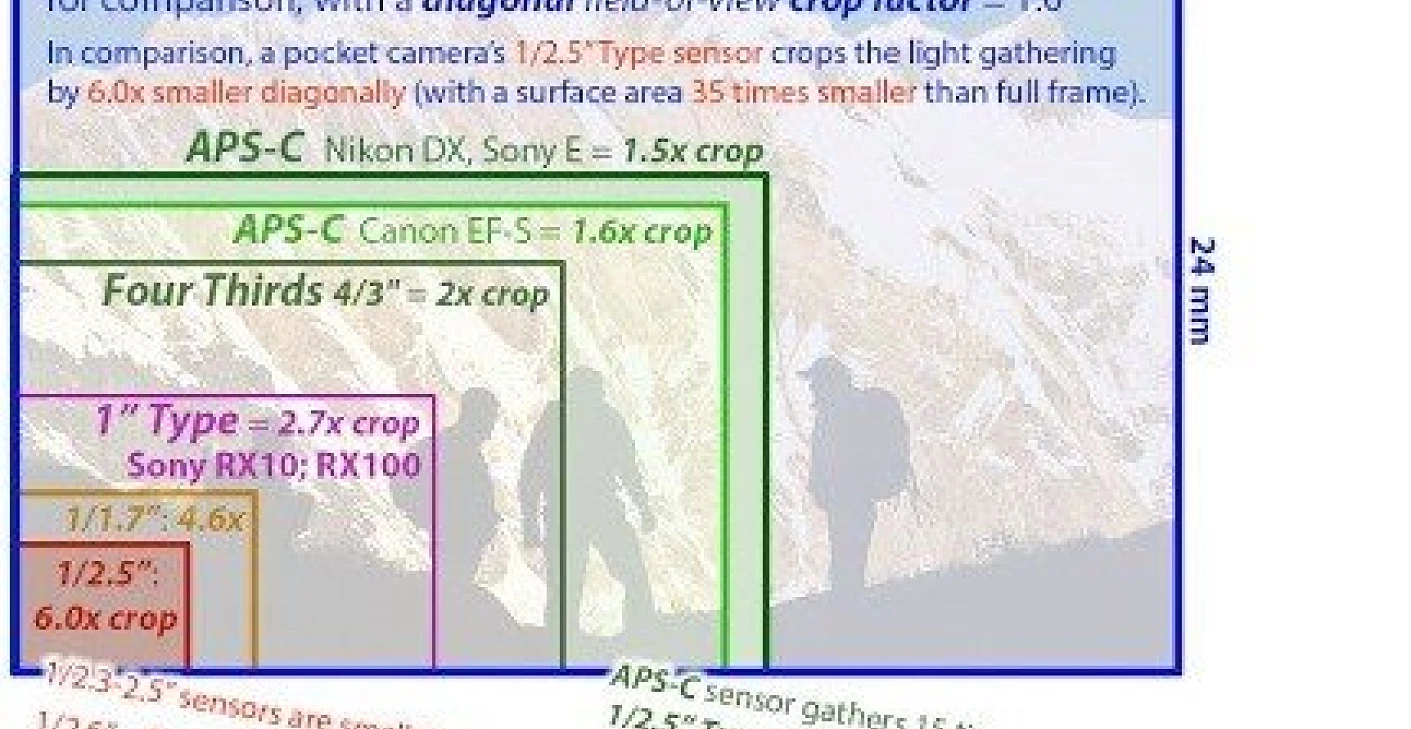
So-called “full-frame” video cameras– those with 24mm × 36mm sensors sized the like the traditional 35mm film format– are becoming more typical and affordable. Sony currently uses a 24.6 megapixel cam body for less than ₤ 1700, and during the life of this book I expect to see comparable low-priced full-frame designs from Nikon, Canon, and others. Full-frame DSLRs are also prized for their low noise attributes, specifically at greater ISOs, and the more comprehensive perspective they supply with traditional wide-angle lenses. I’ll cover the advantages of the full-frame format later in this chapter.

■ Resolution keeps increasing.
Vendors keep upping the resolution ante to please consumers’ understanding that more pixels are always much better. In practice, obviously, lower resolution electronic cameras often produce exceptional image quality at greater ISO settings, so the megapixel race has been controlled, to an extent, by the need to supply greater resolution, enhanced low-light performance, and extended dynamic variety (the ability to capture detail in dark shadows, intense highlights, and every tone inbetween). The leading resolution cameras will not remain stalled at 25 megapixels for very long (I anticipate 32MP to become the brand-new high-end standard), but we’re rapidly seeing all the mid-level and entry-level electronic cameras migrate to 16– 21MP sensing units. You won’t see numerous electronic cameras with less resolution presented in the future. Obviously, Canon has announced a 120MP 29.2 × 20.2 APS-H (roughly 1.3 X “crop” aspect– more on that later), and a humongous 205mm × 205mm sensor that is 40 times larger than Canon’s biggest business CMOS sensor. (Real resolution of this mega-sensor hasn’t been announced– it will depend on how big the specific pixels are.).


■ ISO sensitivity skyrocketing.
Larger and more sensitive pixels suggest better performance at high ISO settings. Do you truly require ISO 102,400 or ISO 204,800? Definitely, if those ludicrous scores suggest you can get appropriate image quality at ISO 25,600. For concerts and indoor sports events, I’ve standardized on ISO 6400, and have really little problem with visual noise. In tough lighting conditions, ISO 12,800 isn’t out of the question, and ISO 25,600 (which permits 1/1000th second at f/8 or f/11 in some of the gyms where I shoot) is practical.


■ Expert full HDTV video is possible with a DSLR.
The opening title series of Saturday Night Live were shot in HDTV with Canon dSLRs. Director/cinematographer Ross Hockrow shot his latest feature film with those cams. The HDTV abilities of the latest DSLRs aren’t simply a camcorder replacement. If you’re a wedding event professional photographer, you can use them to add video protection to your stills; photojournalists can shoot documentaries; amateur professional photographers can get home from their vacation with once-in-a-lifetime still images and movies that will not put next-door neighbors to sleep, too.

■ Live View has matured.
Just a few years earlier, the ability to sneak peek your images on an LCD screen was a point-and-shoot feature that most digital SLR users could see no requirement for. Today, of course, Live View is a vital part of motion picture shooting, but enhancements like “face detection” (the electronic camera discovers and focuses on the human beings in your image), “subject tracking” (the cam has the ability to follow focus specific subjects shown on the screen as they move), and zoom in (to improve manual concentrating on the LCD screen) can be indispensable in particular circumstances. Something as simple as the capability to focus at any point in the frame (rather than just at the few set focus points marked in the optical viewfinder) can be extremely useful.

■ Sensor cleansing that works.
Each time you change lenses on your dSLR, you permit dust to get in the video camera body and, potentially, make its way past the shutter and onto the sensing unit. Every digital SLR introduced in the past few years has a “shaker” system built into the sensing unit that does a respectable job of getting rid of dust and artifacts prior to it can appear on your images. You’ll still need to by hand clean your sensing unit from time to time, but the task can be carried out monthly (or less often), instead of daily or weekly.


■ Image stabilization.
Camera motion contributes to fuzzy photos. Enhancing anti-shake settlement by developing it into a lens suggests you need to pay for image stabilization (IS) in every lens you buy. An increasing number of vendors are developing IS into the cam body in the form of a sensing unit that moves to counter cam motion. “one-size-fits-all” image stabilization does not work as well with every lens that can be installed on a camera, but suppliers are learning to change the amount/type of in-camera IS for various focal lengths.


■ Marginalia.
Other sensor enhancements have actually been talked about, and, in some cases, even implemented, without generating much enjoyment. Foveon continues to enhance its “direct image” sensors, with different red, green, and blue layers that enable each pixel to find among the primaries. (” Regular” sensors are segmented into a variety in which each pixel can detect either red, green, or blue, and the “missing” info for an offered photosite inserted mathematically.) But, couple of individuals are purchasing the Sigma cams that use these sensors. Suppliers continue to improve the small “microlenses” so they can focus assembling light rays on the photosites more effectively. CMOS sensors have basically replaced their CCD equivalents, for factors that no one appreciates any longer. None of these enhancements are as interesting as the others I have actually listed in this area.

Source: Fivercam.com