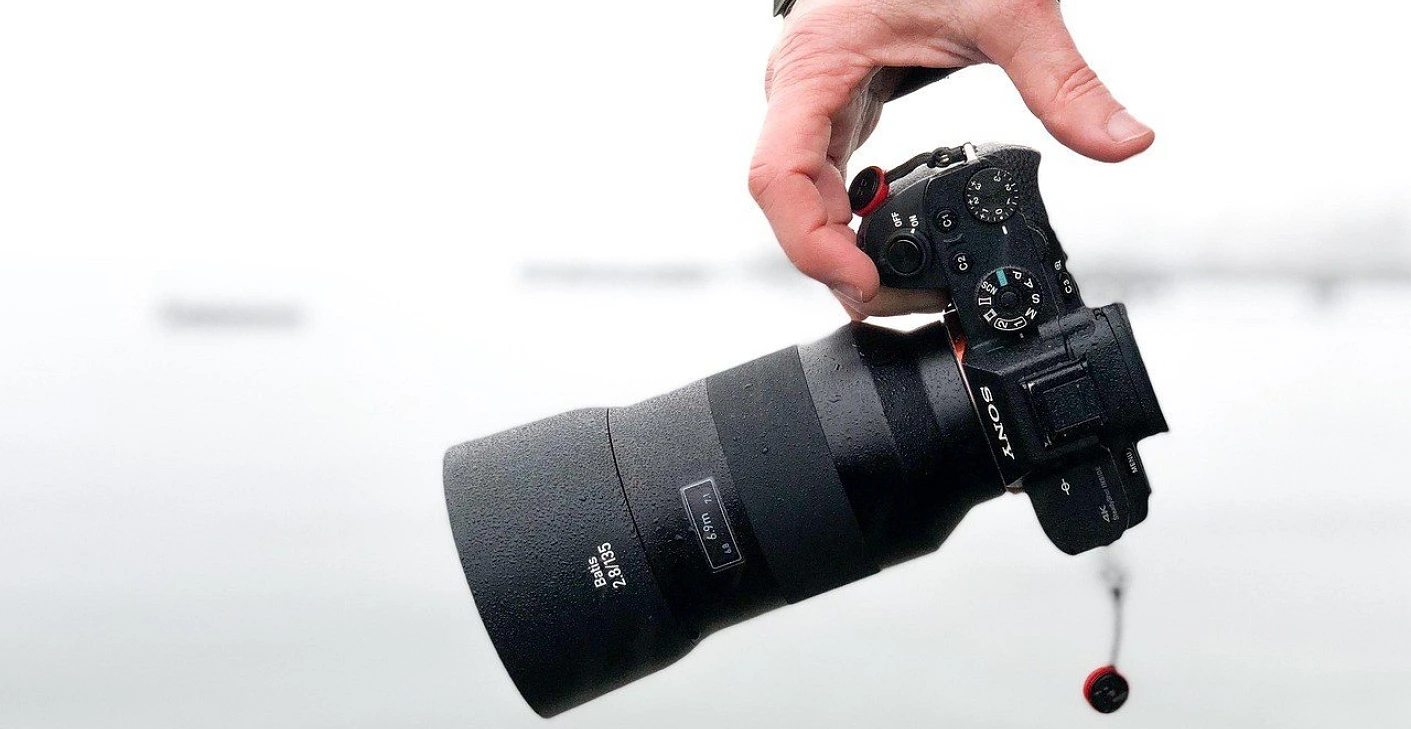
Thinking of buying a used Sony mirrorless lens? Learn what to check for, how to ensure compatibility, and tips for getting the best deal on pre-owned Sony E-mount lenses..
Buying a Used Sony Mirrorless Lens: What You Need to Know
Sony’s mirrorless cameras have taken the photography world by storm, offering cutting-edge technology, compact bodies, and stunning image quality. But as photographers build out their kit, the cost of lenses can quickly add up. That’s why buying used Sony mirrorless lenses has become a popular choice for enthusiasts and professionals alike.
Purchasing pre-owned gear is a smart way to save money, but it comes with a few considerations. Whether you’re eyeing a Sony G Master prime or a versatile zoom lens, understanding how to evaluate and buy used equipment will ensure you make a wise investment.
In this guide, we’ll cover everything you need to know before buying a used Sony mirrorless lens, from checking lens condition to understanding compatibility and ensuring a safe purchase.
Why Buy a Used Sony Mirrorless Lens?
Before diving into what to look for, let’s address the biggest benefits of buying used:
- Significant Savings: Used lenses are often 20-50% cheaper than brand-new versions, allowing you to access higher-quality glass on a budget.
- Access to Discontinued Models: Sometimes older lenses have unique optical qualities or specific characteristics you prefer over newer versions.
- Sustainability: Buying used extends the life of camera gear and reduces e-waste, making it an eco-friendly choice.
However, making the right purchase requires more diligence than buying new. Let’s break down the key factors you should consider.
1. Understand Sony’s Lens Mounts and Compatibility
Sony mirrorless cameras primarily use the E-mount system. Within this, there are two main categories:
- Full-Frame (FE) Lenses: Designed for Sony’s full-frame mirrorless cameras like the A7, A9, and A1 series.
- APS-C (E) Lenses: Designed for Sony’s crop-sensor cameras such as the A6000 series and ZV-E10.
Key Tip:
- Full-frame (FE) lenses can be used on APS-C bodies, though with a 1.5x crop factor.
- APS-C (E) lenses will work on full-frame cameras, but they will operate in crop mode, reducing resolution.
Make sure the lens you’re buying matches your camera body or aligns with how you plan to use it.
2. Check for Physical Condition and Cosmetic Wear
Physical inspection is essential when buying a used lens. Here’s what to look for:
- Lens Glass: Inspect front and rear elements for scratches, chips, or coating damage.
- Internal Elements: Shine a light through the lens to check for dust, haze, or fungus inside. Minor internal dust is common and typically doesn’t affect image quality, but excessive debris or fungus is a red flag.
- Focus and Zoom Rings: Rotate them smoothly. Any grinding, stiffness, or looseness could indicate wear or mechanical issues.
- Aperture Blades: If accessible, ensure aperture blades open and close smoothly without oil residue.
- Lens Mount: Check the metal contacts for wear or corrosion, as damaged contacts can affect communication with the camera.
Buying from a trusted retailer often means this inspection has been done for you, but if you’re buying directly from an individual, it’s crucial to be thorough.
3. Test Autofocus and Image Stabilization
Autofocus performance is vital, especially for Sony’s mirrorless systems which rely on electronic communication for AF precision. Before committing:
- Test autofocus speed and accuracy in various lighting conditions.
- Verify that Eye AF and subject tracking features (if supported by your camera and lens) function correctly.
- For lenses with Optical SteadyShot (OSS), ensure the stabilization activates and works properly during handheld shooting.
If buying online, request a short video demonstrating these functions.
4. Verify Firmware Compatibility
Sony lenses, especially newer ones, may require firmware updates to ensure full compatibility with the latest camera bodies. While the process is usually straightforward:
- Ensure the lens firmware can be updated if needed.
- Double-check that your camera body’s firmware is also up to date.
Sony’s native lenses generally pose fewer compatibility issues than third-party options, but it’s still worth verifying.
5. Understand Lens Grading and Condition Ratings
Reputable used gear sellers typically use a grading system to indicate a lens’s condition. While terminology varies, common categories include:
- Like New (Mint): No signs of wear; performs like new.
- Excellent: Minor cosmetic wear but fully functional.
- Good: Noticeable cosmetic wear; fully operational.
- Fair: Significant cosmetic wear; may have minor functional quirks.
Knowing these grades helps set realistic expectations, especially when buying online.
6. Research Common Issues of Specific Lens Models
Certain Sony lenses are known for specific quirks or weaknesses. For instance:
- Some early versions of the Sony 16-35mm f/4 OSS were prone to OSS failures.
- Older 70-200mm f/4 lenses might exhibit focus motor issues after heavy professional use.
Before purchasing a particular model, research forums or user reviews to understand any recurring problems associated with that lens.
7. Check Return Policies and Warranties
Even with thorough vetting, issues can sometimes slip through. That’s why buying from a reputable retailer who offers:
- Return windows (typically 7-14 days)
- Warranties (commonly 6-12 months for used gear)
These protections give you peace of mind and reduce the risk of getting stuck with a problematic lens.
Private sales (through platforms like Facebook Marketplace or classifieds) might offer better prices but rarely provide these safeguards. Weigh the trade-offs carefully.
8. Consider Third-Party Lenses with Caution
Sony’s E-mount ecosystem has a wide range of third-party lenses from brands like Sigma, Tamron, and Samyang. Many of these are excellent, but buying them used requires extra diligence:
- Ensure full compatibility with your camera body.
- Check that autofocus functions (including Eye AF) are fully operational.
- Some third-party lenses cannot receive firmware updates without special docking stations—confirm this if firmware is a concern.
While third-party lenses often provide excellent value, stick to trusted sellers to avoid compatibility headaches.
9. Factor in Accessories and Extras
Sometimes buying used can come with valuable extras:
- Original lens hood, caps, or soft pouch.
- Original packaging and manuals.
- UV filters or lens protectors.
While not essential, these extras add value and may protect the lens from further wear.
10. Final Price Check: Is It Worth It?
Before purchasing, compare prices between:
- Used listings across multiple platforms.
- Refurbished options directly from Sony (occasionally available with warranty).
- New prices during sales or promotions.
Sometimes the price difference between a used and new lens is minimal, especially during discounts. Ensure the savings justify the used purchase, factoring in potential wear.
Conclusion
Buying a used Sony mirrorless lens is a smart, eco-friendly, and budget-conscious way to expand your photography toolkit. By paying attention to compatibility, physical condition, optical performance, and the reputation of the seller, you can secure excellent deals on high-performance glass.
Whether you’re looking to score your first G Master lens or add a versatile travel zoom to your bag, the used market is filled with opportunities. Just remember: patience, research, and a careful inspection are key to making a purchase you’ll be happy with for years to come.