Compare used Tamron and Sigma lenses to see which third-party brand offers better value in 2025. We break down image quality, build, autofocus, reliability, and price to help you choose the best used lens for your photography needs.
Tamron vs Sigma: Which Used Third-Party Lenses Offer More Value?
When it comes to third-party lenses, two names dominate the conversation: Tamron and Sigma. For decades, both brands have produced affordable alternatives to first-party glass (like Canon, Nikon, and Sony lenses), and in many cases, they’ve delivered results that match—or even surpass—the originals. But if you’re shopping the used market, which brand offers more value in 2025: Tamron or Sigma?
Whether you’re a professional looking to expand your lens collection or a hobbyist aiming to maximize your budget, this article breaks down how both brands compare in key areas like performance, build quality, compatibility, and long-term value—specifically from a used buyer’s perspective.
Why Consider Used Third-Party Lenses?
Before we dive into the comparison, it’s worth highlighting why buying used third-party lenses can be such a smart move:
- Cost savings: Used lenses typically sell for 20–50% less than new ones.
- Tried and tested: Well-reviewed lenses have years of real-world performance to back up their reputation.
- Access to discontinued gems: Some older Tamron and Sigma lenses are no longer in production but still deliver excellent results.
Now, let’s get into the showdown.
1. Image Quality
Sigma: Art Series and Optical Innovation
Sigma’s Global Vision lineup—Art, Contemporary, and Sports—has elevated the brand’s reputation immensely. Their Art lenses in particular are known for superb optical performance, sharpness, and creamy bokeh.
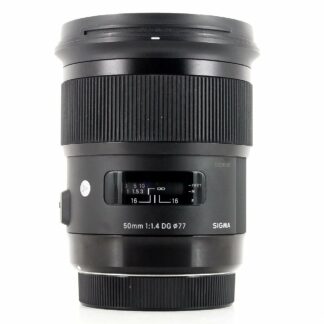
- Used gems: Sigma 35mm f/1.4 Art, Sigma 50mm f/1.4 Art, and 85mm f/1.4 Art
- Strengths: Wide-open sharpness, minimal chromatic aberration, rich contrast
Tamron: Impressive Modern Optics at a Lower Price
Tamron has taken huge strides in optical quality, especially with its SP (Super Performance) and newer mirrorless-focused designs. Their VC (Vibration Compensation) and compact zooms have been praised for performance and portability.
- Used standouts: Tamron 28-75mm f/2.8 Di III RXD (for Sony), Tamron 90mm f/2.8 Macro, 17-28mm f/2.8
- Strengths: Solid sharpness, image stabilization, compact designs
Winner: Sigma, particularly for prime lenses. Sigma’s Art line often competes directly with OEM glass.
2. Build Quality
Sigma: Premium, Solid, Heavy
Sigma Art lenses are often built like tanks. They have a professional-grade feel with a hefty metal chassis. However, that also means they can be heavier than their counterparts.
- Pros: Solid construction, premium feel
- Cons: Larger and heavier, which may be a downside for travel or gimbal use
Tamron: Lightweight and Durable
Tamron leans into lighter, more compact designs. Many of their newer lenses use high-quality plastics that reduce weight without sacrificing durability. Tamron’s weather-sealing is also increasingly common on modern models.
- Pros: Great for travel, often weather-sealed
- Cons: Slightly less premium build on older models
Winner: Tie. If you want rugged build, Sigma wins. If you prioritize portability, Tamron has the edge.
3. Autofocus Performance
Sigma: Great on DSLRs, Hit-or-Miss on Mirrorless Without Updates
Sigma’s lenses generally perform well on DSLRs, but when used with mirrorless systems (especially via adapters), some older models may require firmware updates to maintain snappy and accurate AF.
- Used caution: Be sure to check compatibility or update firmware when possible
Tamron: Consistently Quiet and Fast
Tamron’s recent lenses, especially for mirrorless (like Sony E-mount), feature quiet, accurate autofocus motors. They also adapt better to firmware updates and third-party compatibility.
Winner: Tamron, especially for mirrorless shooters buying used.
4. Lens Variety and Availability on the Used Market
Sigma: Prime Lens Powerhouse
Sigma dominates the third-party prime lens market, offering everything from 14mm to 135mm and beyond. If you’re looking for a fast, used f/1.4 lens, Sigma probably has a great one.
Tamron: Zoom Lens Specialist
Tamron has built a reputation on zoom lenses, particularly lightweight f/2.8 zooms for mirrorless systems. You’ll also find older Tamron zooms for Canon/Nikon DSLRs at bargain prices.
Winner: Depends on your needs
- Go Sigma for used primes
- Go Tamron for used zooms
5. Reliability and Warranty (Even Used)
Both brands offer excellent performance, but used lens buyers often worry about longevity. Here’s how each brand holds up:
Sigma
- Art lenses are durable but complex internally—repairs can be expensive out-of-warranty
- Used copies often retain value well due to popularity
Tamron
- Tamron lenses are known to be dependable and less prone to issues like decentering
- Many Tamron lenses come with longer warranties when new—something to ask about when buying used (some may be transferrable)
Winner: Slight edge to Tamron, especially for long-term reliability at a lower repair cost.
6. Price vs. Performance Ratio
Price is where used Tamron lenses really shine. You’ll often find similar focal lengths and apertures from Tamron at 15–25% cheaper than Sigma.
For example:
- Used Tamron 24-70mm f/2.8 VC G2: ~$600
- Used Sigma 24-70mm f/2.8 Art: ~$750–800
While Sigma might offer sharper corners or better build, Tamron often offers better overall value for budget-conscious buyers.
Winner: Tamron, for those looking to maximize performance per dollar.
Verdict: Which Brand Offers More Value Used?
| Category | Winner |
|---|---|
| Image Quality (Primes) | Sigma |
| Build Quality | Tie |
| Autofocus (Mirrorless) | Tamron |
| Zoom Lenses | Tamron |
| Prime Lenses | Sigma |
| Reliability/Repair Cost | Tamron |
| Price/Performance | Tamron |
Overall Winner: Tamron for Value, Sigma for Performance
If your goal is maximum value, especially on zoom lenses or lightweight mirrorless setups, used Tamron lenses are hard to beat. However, if you’re chasing ultimate image quality, especially in primes, used Sigma Art lenses still deliver flagship-level optics at a midrange price.
Final Buying Tips
- Research lens compatibility with your camera system, especially for Sigma lenses via adapters
- Check firmware update availability
- Inspect carefully (or buy from a store offering return policies or warranties)
- Ask about original warranty coverage—some lenses may still be under transferable manufacturer warranties
No matter which brand you choose, buying used Tamron or Sigma lenses is a smart way to stretch your photography budget without compromising on quality.