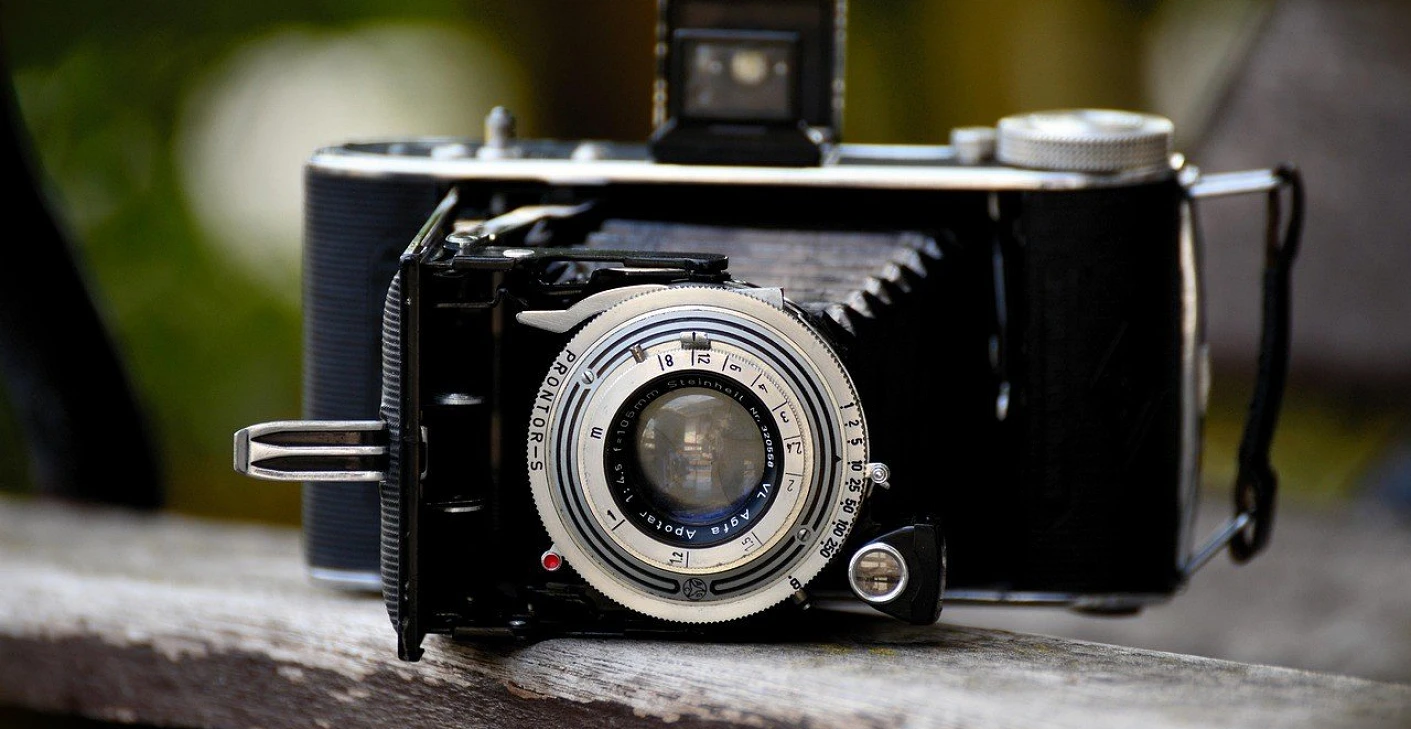
Discover the magic of vintage lenses and why old glass still matters for modern photographers. Learn about their unique character, affordability, and how they add timeless charm to your photos.
The Magic of Vintage Lenses: Why Old Glass Still Matters
In an era of cutting-edge autofocus systems, razor-sharp optics, and ever-evolving lens technologies, it might seem counterintuitive for photographers to reach back in time and use decades-old lenses on modern digital cameras. Yet, a growing number of enthusiasts and professionals are rediscovering the magic of vintage lenses. Despite lacking modern conveniences like autofocus or weather sealing, these old lenses bring something irreplaceable to the table—character, creativity, and a unique visual charm that modern lenses often can’t replicate.
In this article, we’ll explore why vintage lenses continue to matter in photography, the distinct qualities they offer, and how to integrate them into a modern workflow.
1. Unique Optical Character
Modern lenses are designed to deliver clinical sharpness, minimal distortion, and corrected aberrations. While this technical perfection is often desirable, it can also result in images that feel sterile or lacking in personality. Vintage lenses, on the other hand, embrace imperfection—and that’s where their magic lies.
Older glass often exhibits characteristics like:
- Swirly bokeh (background blur with a circular motion)
- Lens flare and glow that add atmosphere
- Softness at wide apertures that creates a dreamy effect
- Vignetting and slight distortions that give images a nostalgic feel
Lenses like the Helios 44-2 58mm f/2 are famous for their swirly bokeh, while the Canon FD 50mm f/1.4 delivers a warm, vintage glow that’s difficult to mimic with modern optics. These optical quirks can add mood and emotion to portraits, street photography, and artistic projects.
2. Affordability and Accessibility
One of the most appealing aspects of vintage lenses is their affordability. High-end modern lenses often cost hundreds or even thousands of dollars. In contrast, many vintage gems can be found for under $100, especially when sourced from local camera shops, flea markets, or online marketplaces.
This accessibility makes vintage lenses an excellent entry point for photographers on a budget who still want to experiment with high-quality glass. You can build a diverse collection of primes—50mm, 85mm, 135mm—for a fraction of the price of a single new lens.
3. Manual Focus for Creative Control
While autofocus is a technological marvel, it sometimes removes a layer of intentionality from the creative process. Shooting with manual focus vintage lenses forces photographers to slow down, pay closer attention to composition, and engage more deeply with their subject.
For genres like portraiture, product photography, and fine art photography, this deliberate approach often results in more thoughtful and intimate images. Many photographers find manual focusing with vintage lenses to be a meditative experience that reconnects them with the fundamentals of photography.
Modern mirrorless cameras make manual focusing easier than ever with tools like focus peaking and magnified view, ensuring accurate focus even with old glass.
4. Build Quality That Lasts
Vintage lenses were often crafted from metal and glass, built with a level of craftsmanship that’s rare in today’s plastic-heavy designs. The tactile experience of operating a vintage lens—smoothly turning a perfectly damped focus ring or clicking through aperture stops—adds a level of satisfaction that many modern lenses lack.
Because of this robust build, many lenses from the 1960s, 70s, and 80s remain in excellent working condition today. As long as they’ve been stored properly and cared for, vintage lenses are remarkably durable and can continue to perform beautifully for decades.
5. Adaptability to Modern Cameras
One of the primary reasons vintage lenses are seeing a resurgence is the ease with which they can be adapted to modern mirrorless cameras. Thanks to their short flange distances, mirrorless bodies can mount almost any lens from any era with a simple mechanical adapter.
Whether you’re using a Sony E-mount, Canon RF, Nikon Z, or Fujifilm X camera, there are adapters available for classic mounts like:
- M42 screw mount (Pentax, Helios)
- Canon FD
- Nikon F manual lenses
- Minolta MD/MC
- Pentax K
These adapters are inexpensive and often don’t require any glass elements, ensuring the original optical character of the vintage lens is preserved.
6. Vintage Lenses for Video Creators
Filmmakers and videographers are especially fond of vintage lenses for their organic rendering and cinematic look. Unlike modern lenses that can appear too sharp or clinical on digital sensors, vintage glass softens digital footage and provides a more film-like aesthetic.
Many vintage lenses offer de-clicked apertures, smooth focus throws, and a less contrasty look, which is ideal for narrative and artistic video projects. Lenses like the Takumar 50mm f/1.4 or Contax Zeiss series are revered in the indie film community.
7. Sustainability and Eco-Friendly Gear Choices
In an age where environmental consciousness is becoming increasingly important, buying and using vintage lenses is a sustainable choice. Repurposing existing gear reduces electronic waste and promotes a more eco-friendly approach to photography.
Instead of contributing to the constant cycle of buying the latest gear, photographers who embrace vintage lenses extend the lifecycle of perfectly functional equipment, reducing their carbon footprint in the process.
8. Developing a Signature Style
Perhaps the most profound reason to explore vintage lenses is the opportunity to develop a unique photographic style. In a world flooded with technically perfect images, the subtle imperfections and unique renderings of vintage lenses allow photographers to create work that stands out.
By experimenting with different vintage lenses, you can discover optical quirks that align with your creative vision, helping you craft a distinct look that’s entirely your own.
Popular Vintage Lenses Worth Trying
Here are a few beloved vintage lenses that are readily available and affordable for those starting their vintage lens journey:
- Helios 44-2 58mm f/2 (M42 mount): Known for its swirly bokeh.
- Canon FD 50mm f/1.4: Warm tones with a smooth rendering.
- Pentax Super-Takumar 55mm f/1.8: Classic build with creamy bokeh.
- Minolta Rokkor 58mm f/1.4: Gorgeous vintage softness at wide apertures.
- Carl Zeiss Jena Flektogon 35mm f/2.4: A wide-angle lens with a distinctive rendering.
Challenges of Using Vintage Lenses
While vintage lenses are full of charm, it’s important to be aware of their limitations:
- Manual Focus Only: Slower for action or event photography.
- No Electronic Communication: Aperture control is manual; no EXIF data.
- Potential for Fungus or Haze: Always inspect used lenses before buying.
- Variable Sharpness: Often softer wide open compared to modern lenses.
However, for photographers who embrace these quirks, vintage lenses offer creative opportunities that outweigh these inconveniences.
Conclusion
The resurgence of vintage lenses isn’t a trend—it’s a rediscovery of a timeless photographic art form. In a world obsessed with technical perfection, vintage lenses remind us that photography is as much about emotion, mood, and storytelling as it is about sharpness and specifications.
Whether you’re a beginner looking to expand your lens collection affordably, a seasoned photographer seeking a distinctive look, or a filmmaker wanting that cinematic feel, vintage lenses offer a path that’s rich with creative potential. By blending old glass with modern digital bodies, you can create images that are not only beautiful but uniquely yours.