Wondering whether to buy used Canon EF or RF lenses? Discover the pros and cons of each system, from price and performance to compatibility and future-proofing, in this in-depth guide for Canon photographers.
Used Canon EF vs RF Lenses: Which Should You Choose?
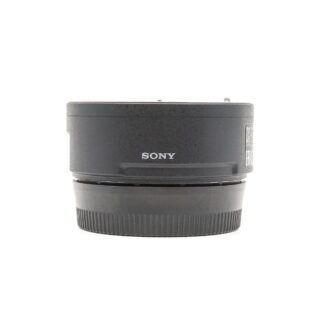
With the continued growth of Canon’s mirrorless system, more photographers are asking a key question: Should I invest in used Canon EF lenses or go all-in with RF glass? If you’re using a Canon EOS R-series mirrorless body, you have access to both RF and EF lenses — thanks to the EF-EOS R adapter — opening up a wide range of options, especially in the used market.
In this article, we’ll compare used EF and RF lenses head-to-head, looking at performance, price, compatibility, and long-term value. Whether you’re upgrading from a DSLR or building a new mirrorless kit on a budget, this guide will help you decide which lens system is right for you.
1. EF and RF Mount Basics
Before diving into the comparison, let’s break down the differences:
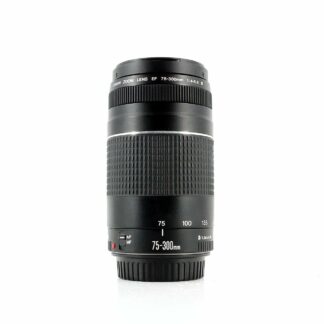
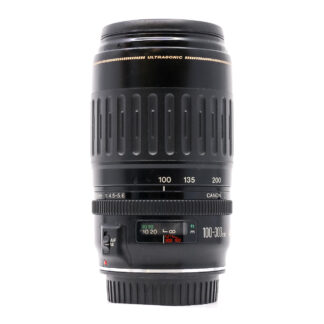
- EF Lenses were designed for Canon’s DSLR cameras and have been around since 1987. They include everything from entry-level zooms to pro-grade L-series lenses.
- RF Lenses are Canon’s newer mirrorless lenses built for the EOS R system (starting in 2018), offering cutting-edge optics and features like in-lens control rings and improved communication with the camera body.
When paired with Canon’s EF-EOS R adapter, EF lenses work seamlessly on EOS R-series cameras, often with no performance loss in autofocus or image quality.
2. Price & Value: EF Wins (Especially Used)
One of the biggest reasons photographers lean toward used EF lenses is price.
- Used EF lenses are widely available and significantly more affordable than their RF counterparts.
- For example, a used EF 24-70mm f/2.8L II USM can be found for $900–$1,200, while the RF 24-70mm f/2.8L IS USM costs upwards of $2,000 new or $1,700 used.
- Even affordable EF primes like the EF 50mm f/1.8 STM can be found for under $100, while the RF 50mm f/1.8 STM typically sells for $150–$200 used.
Conclusion: If you’re on a tight budget or want more bang for your buck, the used EF lineup offers tremendous value.
3. Optical Performance: RF Takes the Lead
RF lenses are newer and benefit from modern design and engineering. Canon used the shorter flange distance in mirrorless cameras to improve optical formulas, leading to:
- Sharper images across the frame
- Better edge-to-edge clarity
- Reduced chromatic aberration and distortion
- Improved coatings for flare control
That said, many EF L lenses still compete well, especially top-tier glass like the EF 70-200mm f/2.8L IS III USM or EF 85mm f/1.2L II USM.
Conclusion: RF lenses usually offer superior sharpness and clarity — but the differences might only matter for large prints or high-end work.
4. Autofocus Performance: Nearly Equal
When using the Canon EF-EOS R adapter, EF lenses autofocus quickly and accurately on mirrorless bodies like the EOS R5, R6, or R8. Canon has done an excellent job maintaining full autofocus compatibility.
However, RF lenses were specifically designed for the EOS R system. They benefit from faster and quieter autofocus motors and better communication between lens and body, particularly in eye-detection AF and continuous AF tracking.
Conclusion: For casual users and most pros, the autofocus difference is minor. But for high-speed sports, wildlife, or video work, RF lenses may give a slight edge.
5. Features & Functionality: RF Adds More
RF lenses introduce modern design features that aren’t available on EF models, such as:
- Customizable control rings for adjusting ISO, aperture, or exposure comp
- In-lens image stabilization, even in lenses that previously had none
- Improved weather sealing and build quality
For hybrid shooters or video creators, these features can dramatically improve workflow.
Conclusion: If you’re looking for modern controls and future-proof features, RF wins.
6. Lens Selection: EF Has the Numbers
Canon’s EF system includes over 100 lenses, covering every focal length and budget. The used market is overflowing with choices — from vintage EF lenses to pro L-series glass.
While Canon’s RF lineup is growing, it’s still catching up. Some focal lengths, like tilt-shift or certain specialty macro lenses, are still unavailable in RF mount.
Conclusion: EF offers more variety, especially for niche photography or specialty needs.
7. Adaptability and Versatility: EF Offers Flexibility
EF lenses can be used not only on Canon DSLRs and mirrorless cameras (via adapter) but also adapted to other systems, like Sony E-mount or Micro Four Thirds. They’re also ideal for multi-system shooters.
RF lenses, on the other hand, are limited to Canon’s mirrorless EOS R system. You can’t use them on DSLRs, and they don’t adapt easily to other brands.
Conclusion: If you want gear that works across multiple camera systems, used EF lenses are more versatile.
8. Resale Value: EF Still Holds Strong
While some believe RF will eventually replace EF, EF lenses continue to hold value, especially the high-end L glass. Many photographers still shoot DSLRs, and Canon continues to support EF for the time being.
Plus, buying used EF means less depreciation — you can often sell a lens later for nearly what you paid.
Conclusion: Used EF lenses are a safer investment for those concerned with resale value.
9. Future-Proofing: RF Is the Future
Canon’s clearly investing heavily in RF lens development. As of 2025, new camera bodies and premium lenses are primarily RF. If you’re planning to stay within Canon’s ecosystem long-term, it might make sense to start building your RF kit — especially for flagship lenses or specialty glass.
Conclusion: If you’re future-focused and growing into Canon’s mirrorless world, RF may be the better long-term choice.
Final Verdict: Which Should You Choose?
It depends on your needs, budget, and goals:
Choose Used EF Lenses if:
- You’re on a budget
- You already own an EF lens collection
- You want the best value on pro glass
- You need specialty lenses not yet available in RF
- You want gear that works on DSLR and mirrorless
Choose RF Lenses if:
- You’re building a future-proof, mirrorless-only system
- You want cutting-edge optical quality and performance
- You need features like control rings or in-lens stabilization
- You shoot fast action, video, or demanding commercial work
For many photographers, a hybrid setup — using mostly used EF lenses with a few key RF lenses — offers the best of both worlds.