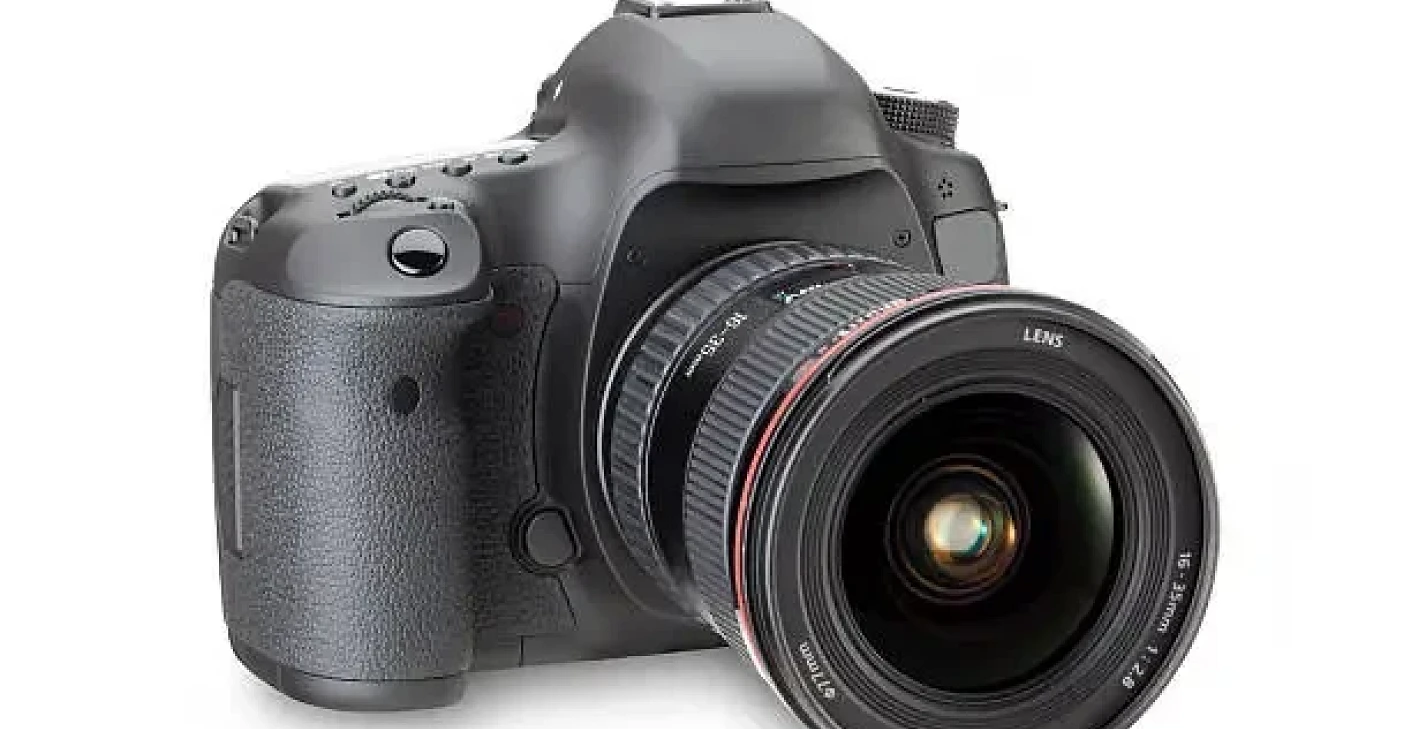
Discover why buying used camera lenses is a smart investment for photographers. Learn how pre-owned lenses offer professional quality, significant savings, and long-term value, plus tips for buying used gear safely.
Why Buying Used Lenses Is a Smart Investment for Photographers
Photography, often hailed as the art of capturing life’s fleeting moments, is a hobby and profession that can quickly become expensive. From high-end camera bodies to premium lenses and essential accessories, the costs add up fast. For many photographers, especially those starting out or working on a tight budget, the price of new equipment can feel like a significant barrier. However, there’s one strategy that seasoned photographers consistently use to expand their gear collection affordably: buying used lenses.
While some may feel uncertain about purchasing pre-owned gear, the truth is that buying used lenses is often a smart, practical, and financially sound decision. In fact, many professionals rely on used lenses to build a versatile kit without sacrificing quality. In this article, we’ll explore why buying used lenses is a wise investment, how it benefits photographers at every level, and what steps to take to ensure a successful purchase.
1. Save Money Without Compromising Quality
The most immediate and compelling reason to consider buying used lenses is cost savings. New lenses, especially professional-grade models with wide apertures or specialized optics, can be incredibly expensive. For example, a brand-new Canon RF 70-200mm f/2.8 lens can cost upwards of $2,500. However, purchasing the same lens in excellent used condition can save you hundreds of dollars, often reducing the price by 20% to 40%.
Unlike camera bodies, which are frequently updated with new sensors and features, lens designs evolve slowly. A lens that was top-tier five or even ten years ago may still perform exceptionally well today. This means photographers can access high-quality glass at a fraction of the original retail price simply by buying used.
2. Lenses Are Durable and Long-Lasting
One of the key reasons buying used lenses is less risky than it may seem is that lenses are built to last. High-quality lenses are constructed with robust materials, including metal barrels, durable mounts, and weather-sealing that protects against dust and moisture. If cared for properly, lenses can function flawlessly for decades.
Unlike camera bodies, which have moving parts like shutters and are more prone to wear and tear, lenses have relatively few components that degrade over time. Optical elements don’t “expire.” As long as a lens has been well-maintained—kept dry, cleaned regularly, and not subjected to physical damage—it can continue to deliver excellent image quality.
3. Slower Depreciation Compared to Camera Bodies
Camera technology advances rapidly, with new models offering higher resolutions, faster processors, and better autofocus systems every year. This constant innovation leads to rapid depreciation in camera body values. Lenses, however, depreciate much more slowly. A well-maintained lens can retain a high resale value for years.
This slower depreciation makes lenses a safer investment. In many cases, photographers who purchase a used lens at a fair price can resell it years later with minimal loss in value. In some situations, particularly with rare or discontinued lenses, the resale value may even increase.
4. Access to Discontinued and Vintage Lenses
Buying used isn’t just about saving money—it’s also about access to unique lenses that are no longer in production. Many classic lenses offer distinctive optical characteristics, such as unique bokeh, flare patterns, or color rendering, that newer models lack. For example, photographers often seek out vintage manual-focus lenses like the Canon FD 50mm f/1.4 or Nikon’s AI-S primes to achieve a particular look.
Additionally, certain specialty lenses, like tilt-shift or ultra-wide options, may be discontinued but still highly functional and sought after. The used market becomes the only place to find these hidden gems, allowing photographers to experiment with creative tools that aren’t available new.
5. Expand Your Gear Collection Affordably
Building a versatile photography kit requires a variety of lenses—wide-angle, standard, telephoto, macro, and possibly more. Buying all these lenses new is often cost-prohibitive for many photographers. However, purchasing used lenses allows photographers to expand their kit significantly within the same budget.
For instance, the cost of a new professional zoom lens might equal the combined price of a used prime lens, a used macro lens, and a used telephoto zoom. This expanded kit enables photographers to explore diverse shooting scenarios and genres without financial strain.
6. Lenses Are Less Affected by Technological Obsolescence
Unlike camera bodies, which become outdated as sensor technology evolves, lenses remain relevant for much longer. A lens with high-quality optics, fast autofocus, and robust build will perform well across multiple generations of camera bodies.
Additionally, manufacturers often maintain backward compatibility. Nikon’s F-mount lenses, for example, have been compatible with various camera bodies for decades. Canon EF lenses can be adapted for mirrorless RF-mount cameras with no loss in functionality. This long-term relevance makes used lenses a safe investment for future-proofing your kit.
7. Environmental Sustainability
In a time when sustainability is becoming an increasingly important consideration, buying used gear is an environmentally friendly choice. Purchasing pre-owned lenses reduces demand for new manufacturing, which in turn conserves raw materials and lowers the carbon footprint associated with production and shipping.
By participating in the circular economy, photographers who buy used lenses help extend the life of products that might otherwise go to waste, making a positive environmental impact.
8. Plenty of “Like-New” Lenses on the Market
It’s a misconception that the used market is full of worn-out, heavily used gear. In reality, many used lenses are sold in near-mint condition. Photographers often upgrade to newer models, switch camera systems, or simply sell lenses they rarely used. These lightly used lenses offer the same performance as brand-new ones, often with only minor cosmetic wear.
Reputable camera stores, certified pre-owned programs, and peer-to-peer marketplaces with strong buyer protection policies make it easy to find high-quality used lenses with confidence. Many sellers also offer return windows or limited warranties for additional peace of mind.
Tips for Buying Used Lenses Safely
While buying used lenses is a smart move, it’s essential to approach the process with caution. Here are a few tips to ensure a safe and worthwhile purchase:
- Inspect Carefully: Look for scratches on lens elements, check for internal dust, fungus, or haze, and ensure zoom and focus rings move smoothly.
- Test Autofocus and Aperture Blades: Make sure autofocus is responsive and aperture blades are free of oil and snap open and closed correctly.
- Buy from Reputable Sellers: Trusted camera stores, certified pre-owned programs (like those from B&H, KEH, or Adorama), and marketplaces with strong buyer protections (e.g., eBay with buyer guarantees) are good options.
- Check Return and Warranty Policies: A return policy allows you to thoroughly test the lens after purchase, while warranties provide long-term protection.
- Do Market Research: Compare prices across multiple platforms to ensure you’re paying a fair price based on the lens’s age and condition.
Conclusion
For photographers looking to expand their gear collection without stretching their finances, buying used lenses is a smart, practical choice. High-quality lenses are built to last, depreciate slowly, and can deliver professional results for years to come. Moreover, the used market often provides access to rare, discontinued, or vintage lenses that add unique creative tools to your photography kit.
By making informed purchasing decisions and buying from reliable sources, photographers at every level—from hobbyists to professionals—can benefit tremendously from the value, versatility, and sustainability that used lenses offer. It’s a strategy that not only saves money but also empowers photographers to grow their skills and express their creativity fully.