Posted on

Main Types of Camera Lenses

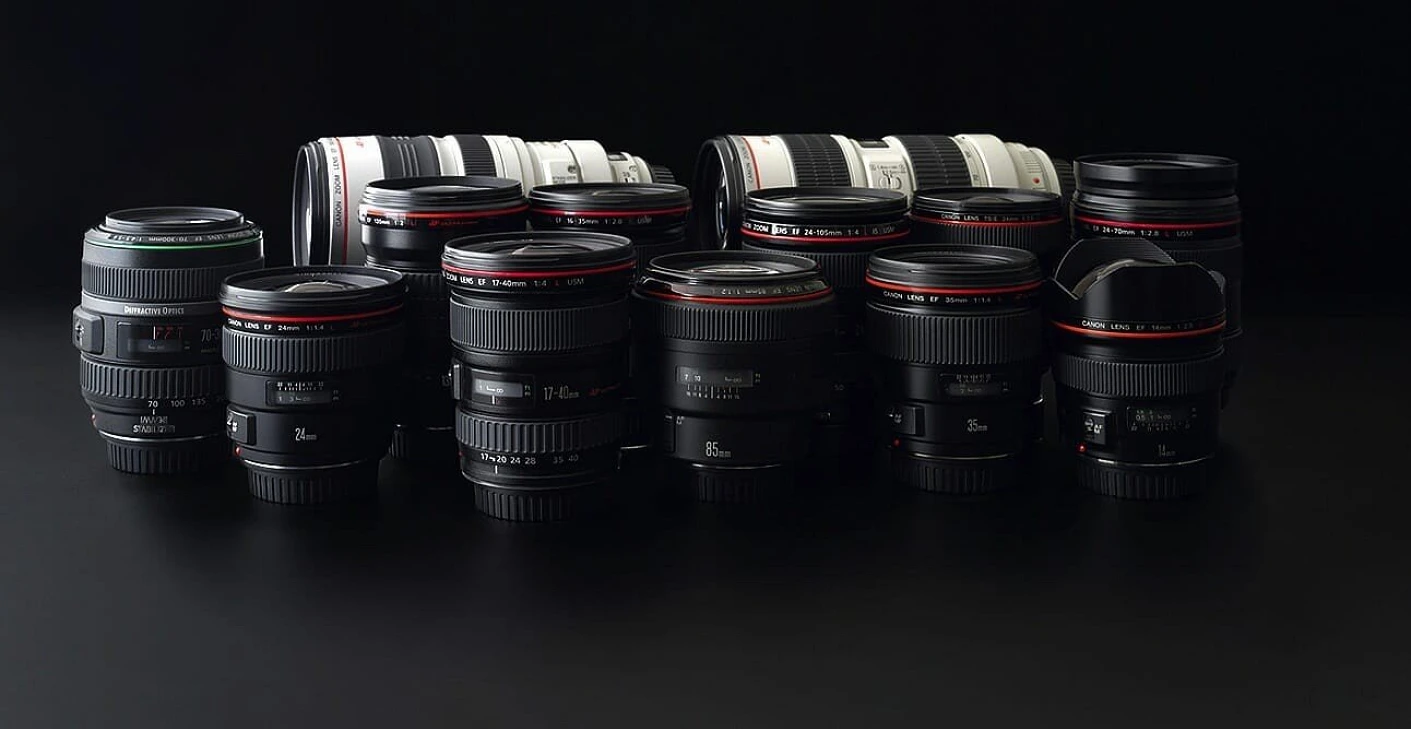
For different perspectives and composition, it can be useful to try different types of camera lenses. Ever get confused when it comes to the many different types of camera lenses?

There are two main types camera lenses are zoom lenses and prime lenses:

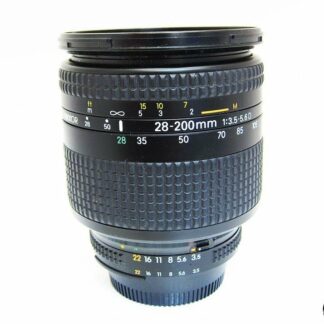
  • Zoom lens – it is a lens which can go from wide angle to telephoto range or from telephoto to high telephoto; the focal length can change. Ideal by most travelers because one or two lenses will give an entire range that they will ever need. However, the image quality is often compromised by this convenience.
  • Prime lens (primary focal length, unifocal lens or FFL) – is a fixed focal length photographic lens, typically with a maximum aperture from f2.8 to f1.2. Prime lenses come in a wide range of focal lengths from wide angles through to the very longest of tele-photo lenses. They have a larger maximum aperture, which enables quicker shutter speeds (faster) than zoom lenses. Read more on Wikipedia

There are many possible lens choices and all will give you a different and distinct image. The lens choice depends on the environment and on the creativity of the photographer in selecting the right lens to capture the vision of the world the way he or she sees it, or wants to present it.

Here are some of the main lens types:

  • Standard lens (normal lens) – a similar angle of view to the human eye, giving photos a natural feel. They are general-purpose lenses, and can be used to photograph everything from close-up portraits to landscapes. A standard lens will make the distance between near and far objects look ‘normal’. For a 35mm film camera or a full-frame DSLR, the 50mm lens is considered standard.
  • Telephoto lens – long-focus lens; long focal length lenses. The angle of view of approx. 20°. This lens class is suited for capturing distant motives up close, e.g., sports, nature or theatrical photography.
  • Wide angle lens – camera lens with a focal length of less than 35mm is considered wide angle (useful in architectural, interior and landscape photography where the photographer may not be able to move farther from the scene to photograph it). Angle of view greater than 55°. Wide-angle lenses come in both fixed-focal-length and zoom varieties.
  • Also, there are ultra-wide angle lenses (fisheye lenses). They are small, ultra-wide, and show a distorted, spherical view of the world, most evident in the curved, outer corners of the photo.
  • Macro Lens – a lens suitable for taking photographs unusually close to the subject. Designed for photographing small subjects at very close distances. They can focus much nearer than normal lenses, allowing you to fill the frame with your subject and capture more details. Macro lenses normally have a fixed focal length (prime lenses). There are zoom macro lenses available but they are low quality and they have low magnification ratio. Read more about macro lenses

Additional devices can be mounted on lenses to change the image quality, such as different filters. Also, tele-converters can be used between lens and camera and to increase the focal length of the mounted lens.

Popular focal lengths

  • 12 to 21mm: Ultra-Wide — usually used at very close subject distances to produce a perspective that provides a dramatic, often extreme image that distorts a scene’s natural proportions.
  • 24 to 35mm: Wide — capture a wider field of view than a standard lens, at shorter distances, the perspective can show distortion.
  • 50 mm: Standard — a focal length near the 44mm image diagonal and a perspective similar to human vision.
  • 85 mm: Portrait — short telephoto lens that accommodates a longer subject to camera distance for pleasing perspective effects and useful image framing.
  • 135 mm: Telephoto — used, for example, by action and sports photographers to capture far away objects.
  • 200 to 500 mm: Super Telephoto — specialized, bulky lenses typically used in sports, action, and wildlife photography.
Posted on

Camera Viewfinder Types

Among the key component of a digital video camera is its viewfinder. With a DSLR, the viewfinder is, together with lens interchangeability, among the distinguishing features between the DSLR and non-DSLR cameras. Certainly, other digital cams offer a type of through-the-lens watching by showing the present sensing unit image on an LCD. But, an LCD show is hardly the exact same thing as a huge, intense SLR view in terms of structure, ease of focus, the amount of details provided, or viewing convenience.

View on the back-panel LCD show

These seeing panels, which operate like miniature laptop computer display screens, reveal practically the exact image seen by the sensing unit. The LCDs procedure approximately 2.7 to 3 inches diagonally, and usually show 98 percent or more of the picture view seen by the lens. An LCD may be difficult to view in intense light. Point-and-shoot digital cams use the LCD show to show the image prior to the picture is taken, and to examine the image after the picture has actually been made. A few of these have no optical viewfinder at all, so the only way to compose a shot is on the LCD. In a DSLR, the back-panel LCD is utilized for examining photos that have actually been taken and for previewing using the so-called Live View functions, and for seeing motion pictures as they are taken.

View through an optical viewfinder window

Some non-SLR digital cams have a glass direct view system called an optical viewfinder that you can utilize to frame your image. Optical viewfinders can be basic window-like devices (with low-end, fixed zoom digital cameras) or more advanced systems that zoom in and out to approximately match the view that the sensor sees. The advantage of the optical viewfinder is that you can see the subject at all times (with other systems the view might be blanked out throughout the direct exposure). Optical systems might be brighter than electronic watching, too. A huge drawback is that an optical viewfinder does not see precisely what the sensing unit does, so you might end up cutting off someone’s head or otherwise do some unintentional cutting of your topic.

View through an electronic viewfinder (EVF).

The EVF operates like a little tv screen inside the digital electronic camera. You can view an image that closely corresponds to what the sensing unit sees, and it is much easier to view than the LCD show, but doesn’t have almost the quality of an SLR viewfinder. EVF electronic cameras are generally more compact than DSLRs, and are offered both with interchangeable lenses (such as the Olympus and Panasonic Micro 4 Thirds cameras, or Sony NEX designs) or with integrated superzoom lenses that stretch from 12X to 18X or more (hence removing a few of the requirement for interchangeable lenses).

View an optical image through the electronic camera lens.

Another sort of optical viewfinder is the through-the-lens viewing provided by the SLR camera. With such electronic cameras, an additional element, typically a mirror, reflects light from the taking lens up through an optical system for direct watching. The mirror shows essentially all the illuminate to the viewfinder, except for some lighting that might be siphoned off for usage by the automatic direct exposure and focus mechanisms. The mirror swings out of the way throughout a direct exposure to allow the light to reach the sensing unit rather. Sometimes, a beam splitting gadget is used instead. A beam splitter does what you expect: It divides the beam, reflecting part to the viewfinder and permitting the remainder of the light to strike the sensor. As discussed earlier, an optical viewfinder’s image showed from the mirror is reversed, of course, so it is bounced around a bit more within the camera to produce an image in the viewfinder window that is oriented properly delegated right and vertically. Some digital cams use a pentaprism, which is a solid piece of glass and generates the brightest, most accurate image. Others utilize a pentamirror system, lighter in weight and more affordable to produce, but which provides you an image that is a little less fantastic than that developed by a pentaprism. Olympus has utilized a swinging sideways mirror viewfinder system it calls a TTL Optical Porro Finder on a few of its DSLRs, which has the advantage of permitting a much squatter profile for the video camera, due to the fact that the huge lump of a pentaprism/pentamirror need not occupy the top of the electronic camera. There are numerous other essential elements of SLR viewfinders that you require to keep in mind:.

Live View mode.

The majority of true DSLRs supply no LCD sneak peek other than in Live View mode. Because of the way digital SLRs operate it is not possible to see the image on the back panel LCD prior to the picture is taken. Absence of live sneak peek does not seem like much of an issue initially– after all, the optical view is brighter, easier to focus, and frequently much larger than an LCD sneak peek– until you go to take an infrared image or other image utilizing a filter that reduces the exposure of the through-the-lens view, or obscures it entirely. With an SLR, you’re shooting blind, so Live View can be beneficial when you want to see the image that the sensing unit sees, before shooting.

Vision correction.

All DSLRs have diopter correction to permit near/far sightedness. However, if you have other vision problems that need you to wear glasses while making up pictures, make certain your digital camera lets you see the entire image with your spectacles pushed up against the viewing window. Often the style of the viewfinder, including rubber bezels around the frame, can restrict visibility.

Eye point.

The range you can move your eye away from the viewfinder and still see all of the image is called the eye point, and it is essential to more than simply eyeglass users, as explained above. For example, when shooting sports, you might wish to use your other eye to sneak peek the action so you’ll know when your subjects will move into the frame. Video cameras that permit seeing the full image frame even when the eye isn’t pressed up tightly to the window make it easy to do this. In the past, makers of SLR cams have even offered “extended eye point” devices for sports photographers and others.

Zoom.

The relative size of the viewfinder image impacts your ability to see all the information in the frame as you compose an image. It’s not something you might consider, but if you compare DSLRs side by side, you’ll see that some provide a larger through-the-lens view than others. Bigger is constantly better, however it is likely to cost more, too. Working with viewfinders will show up once again a couple of times later in this book, however if you keep in mind the fundamental information provided in this chapter, you’ll understand most of what you require to know.

Posted on

Photo tips for successful macro photography

Beetles and crawlers, flowers and leaves, everywhere and in every season: the world of small things fascinates with its incredible wealth of colors and shapes. The fascination of macro photography is due, among other things, to the fact that we cannot perceive the tiny natural wonders with the naked eye, or only to a very limited extent. Fortunately, photography offers a variety of optical options. We have some tips for special macro photos.

1. Calm background, brilliant foreground

The more reduced and plain the background, the clearer the main motif appears.

Background plays an important role in macro photography. Small, colorful, sharply depicted objects such as insects and butterflies are particularly effective in front of a uniformly colored, blurred surface. The photographic “laws of nature” help: A long or large focal length and an open aperture ensure perfect blurring in the background. Speaking of lenses: The best close-up images are created with a special macro lens, for example with a 100 millimeter focal length.

2. Thin sections, bright images

Light from behind makes thin slices of onions, citrus fruits and other fruits and vegetables shine wonderfully.

Fruit, vegetables and Co. can be wonderfully staged as macro motifs. The basic principle is simple: Everything that can be cut very thinly and which then has a certain degree of light permeability is suitable for these recordings. Examples are the onion and especially citrus fruits like lemons and oranges. In addition to a tripod, all you need is a surface that is illuminated from below to place the panes on – for example a glass table. Incidentally, such images are also possible with high-quality smartphones.

3. Optical accents, drop by drop

Drops of water on a colored leaf create an interesting “structure on the structure”.

Drops of water bring life to every macro photo and make the surfaces of leaves and flowers that are already interesting in themselves appear even more interesting. Because the drops act like small magnifying glasses that partially enlarge the leaf structure and thus provide an additional image layer. You can take such macro pictures outdoors as well as easily stage them yourself at home. A lamp and, if necessary, a professional brightener in the form of a photo reflector are usually sufficient for lighting.

4. Action photos with butterfly, bee and Co.

Photographing insects in flight is not easy, but practice makes perfect. Just experimenting is a lot of fun.

A butterfly or a bumblebee on the flower – this classic photo can often be seen. It is more exciting to photograph the small flying objects in action. You definitely need a telephoto lens for this. The autofocus should be set to the so-called tracking mode, in which the focus adjustment constantly readjusts the subject. In addition, set the exposure time to at least 1 / 2000th of a second or less. And now it’s time to go out into the garden, park or forest: there you will find what you need for a great macro action shot – a small, colorful, flying main subject. We wish you every success.

Posted on

Used Fujifilm X-T2 vs X-T3: Which One Should You Choose Today?

Looking to choose between a used Fujifilm X-T2 or X-T3 in 2025? This in-depth comparison covers image quality, autofocus, video, battery life, and price to help you pick the best value for your photography needs.

Used Fujifilm X-T2 vs X-T3: Which One Should You Choose Today?


When it comes to Fujifilm’s X-series cameras, the X-T2 and X-T3 stand out as two of the most beloved models. Both offer a robust, retro-inspired design, excellent image quality, and a photographer-focused shooting experience. As the used gear market continues to grow in 2025, many photographers are turning to these older models to get pro-level features at a lower price. But the big question is: which one should you choose today—the Fujifilm X-T2 or the X-T3?

In this article, we’ll compare the two cameras in-depth across key categories, including sensor performance, autofocus, video capabilities, usability, and price to help you make the best decision when buying used.


1. Sensor and Image Quality

Both cameras feature Fujifilm’s renowned X-Trans CMOS sensors, but there are some notable differences.

  • X-T2: 24.3MP X-Trans CMOS III sensor
  • X-T3: 26.1MP X-Trans CMOS 4 sensor with a backside-illuminated (BSI) design

The X-T3 delivers slightly higher resolution and better performance in low light due to the BSI sensor. While the X-T2’s image quality is still excellent, the X-T3 pulls ahead for dynamic range and high ISO performance.

Winner: X-T3


2. Autofocus System

One of the most significant improvements in the X-T3 is its autofocus system.

  • X-T2: 325-point hybrid AF system (91 selectable points)
  • X-T3: 425-point phase-detect AF system with improved tracking and eye-detection

The X-T3’s autofocus is noticeably faster, more accurate, and better at tracking moving subjects—especially useful for wildlife, sports, and street photography.

Winner: X-T3


3. Video Features

If video is part of your creative workflow, the X-T3 is a massive upgrade over the X-T2.

  • X-T2: 4K at 30fps, 8-bit internal recording
  • X-T3: 4K at up to 60fps, 10-bit internal recording, F-Log, and better codec support

The X-T3 was Fujifilm’s first X-series camera to truly cater to hybrid shooters and videographers. It supports higher-quality recording, better slow-motion, and more flexible editing in post-production.

Winner: X-T3


4. Build and Handling

Physically, both cameras look very similar with weather-sealed magnesium alloy bodies and dedicated dials for ISO, shutter speed, and exposure compensation. The key ergonomic differences are subtle but may matter depending on how you shoot.

  • X-T2: Solid and familiar layout with a slightly deeper grip
  • X-T3: Minor tweaks to button feel and responsiveness, USB-C port for charging and tethering

Both are excellent for handheld shooting in harsh conditions, but the X-T3 feels a bit more refined in daily use.

Winner: Tie


5. Battery Life

Battery life wasn’t a strong suit for either model by today’s mirrorless standards, but the X-T3 manages to squeeze out more efficiency.

  • X-T2: Approx. 340 shots per charge
  • X-T3: Approx. 390 shots per charge

Both use the same NP-W126S battery, so spares are easy to find. For long sessions, either camera will benefit from a battery grip.

Winner: X-T3 (slightly)


6. Price and Value on the Used Market (2025)

Here’s where things get interesting. As of 2025, used prices for both models have dropped significantly:

  • X-T2: Typically available between $350–$450 USD
  • X-T3: Typically available between $550–$700 USD

If budget is tight, the X-T2 is still an amazing camera for the price—especially for stills. But for the extra $150–$250, the X-T3 offers newer tech, better autofocus, and superior video capabilities, making it a better long-term investment.

Winner: X-T2 for budget; X-T3 for value


7. Who Should Choose the X-T2?

  • Hobbyist photographers who mainly shoot stills
  • Those on a tighter budget
  • Photographers upgrading from entry-level models like the X-T100 or X-A series
  • Anyone looking for a backup camera body that still delivers pro results

8. Who Should Choose the X-T3?

  • Hybrid shooters who want strong video capabilities
  • Action, sports, or wildlife photographers who need fast AF
  • Photographers looking for a longer-term investment
  • Anyone stepping up to professional work with Fujifilm gear

Final Verdict: Which One Should You Buy?

If you’re on a strict budget or shoot primarily stills, the Fujifilm X-T2 remains a fantastic choice in 2025. It still produces stunning images and offers a tactile shooting experience that Fujifilm fans love.

However, if you want better autofocus, improved video features, and a more future-proof setup, the Fujifilm X-T3 is worth the extra cost. It’s a more well-rounded and modern camera, and still holds its own in today’s competitive market.

Bottom line:

  • Buy the X-T2 for value and simplicity.
  • Buy the X-T3 if you want more speed, video power, and long-term performance.

Either way, you’re getting a camera that delivers incredible results and a premium experience—at a fraction of the cost of buying new.


Meta Description:
Compare the Fujifilm X-T2 and X-T3 in 2025. Discover which used camera offers better value for your needs—whether you’re a stills shooter, hybrid creator, or looking for pro-level features on a budget.

Posted on

Best Used Sigma Art Lenses You Can Buy in 2025

Discover the best used Sigma Art lenses to buy in 2025. From sharp primes to versatile zooms, find out which models offer top-tier performance and unbeatable value for photographers on a budget.

Best Used Sigma Art Lenses You Can Buy in 2025

Sigma’s Art series has established itself as a hallmark of optical excellence—offering high-resolution sharpness, smooth bokeh, and rock-solid build quality. For budget-conscious photographers and videographers, buying these lenses pre‑owned offers tremendous value. Despite the passage of time, many Sigma Art models continue to deliver top-tier performance in 2025. Below, we’ve rounded up the best used Sigma Art lenses you can reliably invest in today.


1. Sigma 35mm f/1.4 DG HSM Art

A groundbreaking lens when introduced—this classic 35mm prime made Sigma synonymous with premium independent optics.

  • Performance: Delivering exceptional sharpness even wide open, it rivals the best offerings from Canon and Nikon. WikipediaRetouching Labs
  • Versatility: Its natural field of view is ideal for street, documentary, and travel photography.
  • Why Used Makes Sense: It’s widely available, reliable, and often sells used at a fraction of its original price.

2. Sigma 50mm f/1.4 DG HSM Art

A portrait and general-purpose prime favorite across many systems.

  • Image Quality: Offers crisp detail and creamy bokeh, ideal for portraits and low-light shooting. cameraworld.co.ukWIRED
  • Build: Solid construction with reliable autofocus.
  • Benefits of Buying Used: Significant savings for a lens that still holds its own among modern alternatives.

3. Sigma 85mm f/1.4 DG HSM Art

Regarded as one of the sharpest portrait lenses available.

  • Optics: Smooth background blur and sharp subject rendition—especially on high-megapixel systems. cameraworld.co.ukColor Experts International
  • Usage: Exceptional for studio, portrait, and event photography.
  • Used Market Advantage: You can access its premium rendering without paying full price.

4. Sigma 24‑70mm f/2.8 DG OS HSM Art

A professional-grade all-around zoom lens favored by event and wedding photographers.

  • Features: Dust/splash-proof design, optical stabilization, and consistent f/2.8 across the zoom range. cameraworld.co.ukRetouching LabsHampshire Prints
  • Why Used Works: Performance holds up well and you’ll save considerably off new retail.

5. Sigma 14‑24mm f/2.8 DG HSM Art

One of the go-to ultra-wide zooms for landscape, architecture, and night sky work.

  • Strengths: Edge-to-edge sharpness and minimal distortion. Retouching LabsPhotography Project
  • Used Lens Market: Prized for its performance, used copies offer immense value to wide-angle shooters.

6. Sigma 20mm f/1.4 DG HSM Art

A unique wide-angle prime with a super-fast aperture.

  • Optical Advantages: Wide f/1.4 allows beautiful depth of field control even at 20mm. cameraworld.co.ukWikipedia
  • Ideal For: Astrophotography, environmental portraits, and night work.
  • Buying Used: Dramatic edge in cost-effectiveness versus new hardware.

7. Sigma 135mm f/1.8 DG HSM Art

A rare semi-telephoto prime with ultra-fast aperture—made for stunning portraits.

  • Image Quality: Generous bokeh and lovely compression, with minimal distortion. Become better creators — together.
  • Used Value: Expensive new, but used copies represent the best value for high-end optics.

8. Sigma 24mm f/1.4 DG HSM Art

A fast wide-angle prime often praised for cinematic rendering.

  • Performance: Excellent sharpness with smooth out-of-focus areas. Great for landscapes, video, and architecture. WikipediaPhotography Project
  • Used Purchase Benefits: Get excellent glass at much lower cost.

Real User Perspective

One Reddit user shared their experience with the Sigma 18‑35mm f/1.8 Art (for APS‑C systems), capturing low-light shots better than they anticipated — “I absolutely love it” despite its heft. Reddit

Such comments highlight how these lenses retain relevance—and why used versions are still in demand.


Why Sigma Art Lenses Shine as Used Investments

  • Superior Optics: Exceptional sharpness, advanced glass, and wide apertures deliver standout image quality. Retouching Labs
  • Build Quality: Many Art lenses use premium materials and solid construction that endure over time.
  • Firmware & Support: Sigma’s USB dock allows firmware updates and focus tweaks even for used copies (where available). Wikipedia
  • Cross-Mount Compatibility: Sigma Art lenses are available for multiple mounts (Canon, Nikon, Sony, L‑mount), increasing resale/demand.

Final Thoughts—Maximizing Value in 2025

If you’re looking to level up your kit affordably in 2025, these are the top used Sigma Art lenses worth prioritizing:

  • Primes: 35mm f/1.4, 50mm f/1.4, 85mm f/1.4
  • Zooms & Specialty: 24‑70mm f/2.8, 14‑24mm f/2.8, 20mm f/1.4, 135mm f/1.8, 24mm f/1.4

Ensure you buy from reputable sellers with return policies—and enjoy premium image quality for less.

Posted on

What to Look for When Buying a Used Manual Focus Lens

Buying a used manual focus lens? This guide covers what to inspect—from focus rings and aperture blades to lens optics and mount condition—so you can avoid costly mistakes and get the best value.

What to Look for When Buying a Used Manual Focus Lens

In the era of lightning-fast autofocus systems and high-tech digital lenses, manual focus lenses might seem like a thing of the past. But for many photographers, especially enthusiasts and artists, manual focus lenses are a treasure trove of craftsmanship, optical character, and tactile shooting experience. Whether you’re interested in vintage glass for its unique rendering or modern manual lenses for precision control, buying used is an excellent way to expand your gear without spending a fortune.

However, buying a used manual focus lens is not as simple as grabbing the first good deal you see. Unlike autofocus lenses, which rely on motors and electronics, manual focus lenses depend entirely on the precision of their mechanical parts and optical integrity. This makes inspecting them thoroughly even more important.

In this article, we’ll guide you through what to look for when buying a used manual focus lens, so you can avoid costly mistakes and ensure you’re getting a reliable, high-quality lens that enhances your photography.


Why Manual Focus Lenses Are Still Worth Buying

Before diving into inspection tips, let’s quickly revisit why manual focus lenses still attract so much attention:

  • Superior Build Quality: Many manual lenses, especially vintage models, are constructed with durable metal parts designed to last decades.
  • Unique Optical Character: Older lenses often render images with distinct colors, flares, and bokeh that modern lenses can’t replicate.
  • Budget-Friendly: High-quality used manual lenses are often far cheaper than their autofocus counterparts.
  • Creative Control: Manual focusing encourages a more deliberate shooting style, which can be a creative advantage.
  • Adaptability: Manual lenses can easily be adapted to modern mirrorless systems, making them versatile tools even today.

Essential Factors to Check When Buying a Used Manual Focus Lens

1. Physical Condition of the Lens Body

Start by inspecting the exterior barrel of the lens.

  • Check for Dents, Cracks, or Heavy Scratches: While minor scuffs are expected, deep dents or cracks can indicate serious impacts that may have misaligned internal elements.
  • Loose or Missing Screws: Examine all screws and fittings to ensure they’re intact and not signs of a careless repair.
  • Check Mount Threads/Contacts: Ensure the lens mount is not stripped, bent, or excessively worn. A poor fit can cause mounting issues on your camera body.

2. Focus Ring Operation

Since you’ll be focusing manually, the focus ring’s performance is critical.

  • Smoothness: Rotate the focus ring slowly from end to end. It should feel smooth, without stiffness, grinding, or uneven resistance.
  • Consistency: Avoid lenses where the focus ring feels loose, wobbly, or has “dead zones” where the focus doesn’t respond.
  • Hard Stops: Check that the focus ring stops precisely at minimum focusing distance and infinity without overshooting.

3. Aperture Ring Functionality

  • Smooth Clicks: The aperture ring should click firmly into each stop with consistent resistance.
  • De-clicked Aperture (if applicable): Some lenses are designed for video and may have a smooth, stepless aperture—verify this is intentional.
  • Blade Movement: Move the aperture ring while looking through the lens to ensure the blades open and close uniformly.
  • Oil-Free Blades: Shine a light through the lens and look for oil or stickiness on the aperture blades, which can cause them to stick and malfunction.

4. Inspecting Lens Elements (Front & Rear)

  • Surface Scratches: Tiny cleaning marks or light scratches on the glass are often cosmetic and won’t affect image quality, but deep scratches are best avoided.
  • Lens Coating Condition: Ensure the anti-reflective coatings are intact; patches of wear can increase flare and reduce contrast.
  • Internal Haze: Check for foggy or cloudy areas inside the lens, which can severely impact image clarity.
  • Fungus: Look for web-like patterns of fungus, especially near the edges of lens elements. Minor fungus might be manageable, but severe cases can damage lens coatings permanently.
  • Balsam Separation: If you see rainbow-colored patterns or bubbles between elements, that’s a sign of cement separation, which is difficult to repair and affects image quality.

5. Internal Dust & Debris

  • A few dust particles inside a lens are normal, even in new lenses.
  • Large dust particles, hair, or floating debris can affect image contrast.
  • Excessive internal dust could also be a sign the lens was stored improperly, increasing the risk of fungus or haze.

6. Lens Mount & Compatibility

  • Mount Type: Confirm the lens mount is compatible with your camera system or check if a reliable adapter is available.
  • Mount Integrity: Inspect the lens mount for any signs of damage, wear, or loose fitting.
  • Adapter Fit: If possible, test the lens with the adapter you’ll be using to ensure a secure and wobble-free fit.

7. Test Image Quality (If Possible)

If you can mount the lens on a camera:

  • Test Focusing Accuracy: Focus at both close distances and infinity to see if the image snaps into sharp focus.
  • Check for Sharpness: Shoot at different apertures, especially wide open, and check sharpness across the frame.
  • Look at Bokeh Rendering: See how the lens renders out-of-focus areas—many manual lenses are known for their distinctive bokeh.
  • Test Flare & Contrast: Point the lens towards a bright light source to assess flare resistance and contrast handling.

8. Known Issues of Specific Lens Models

Some manual lenses are prone to certain design quirks or recurring issues. Before purchasing:

  • Research forums, user reviews, and technical resources about the specific lens.
  • Look for common complaints such as weak construction points, aperture blade issues, or known optical flaws.
    This knowledge can help you identify red flags during your inspection.

9. Assessing the Lens’s History

  • Ask the Seller About Storage Conditions: Lenses stored in humid environments are more likely to develop fungus.
  • Frequency of Use: A frequently used lens isn’t necessarily bad but should show signs of good maintenance.
  • Original Accessories: Presence of original caps, hoods, or cases often indicates a careful owner.

10. Market Price Research

Do a thorough price comparison across:

  • eBay sold listings
  • Online camera stores (KEH, B&H Used Department)
  • Local photography groups and forums
    Avoid deals that are “too good to be true”—they usually are.

Red Flags to Watch Out For

  • Fungus or haze inside the lens.
  • Stiff or grinding focus ring.
  • Sticky aperture blades or oily residues.
  • Deep scratches on front or rear elements.
  • Loose or bent mounts.
  • Sellers unwilling to provide detailed photos or answer questions.

Best Types of Manual Focus Lenses to Buy Used

  • Vintage Classics: Canon FD, Minolta Rokkor, Pentax Takumar, Nikon AI-S lenses.
  • Modern Manual Primes: Voigtländer Nokton, Zeiss Loxia, Samyang/Rokinon MF lenses.
  • Specialty Lenses: Helios 44-2 (famous for swirly bokeh), Meyer-Optik Trioplan (soap-bubble bokeh).

Conclusion

Buying a used manual focus lens can be incredibly rewarding, offering access to beautifully crafted optics with distinct character. However, it requires a careful and informed approach. By thoroughly inspecting the physical condition, mechanical operation, and optical integrity, you can avoid costly repairs and ensure you’re investing in a lens that delivers both reliability and artistic flair.

Take your time, do your research, and don’t hesitate to ask questions. When you find a gem of a manual focus lens in great condition, it will serve you for years to come—and likely at a fraction of the cost of modern autofocus lenses.

Posted on

Common Canon fit Abbreviations

This article is focusing on common Canon fit photography terms, acronyms, & abbreviations, which are used on Canon lenses. In addition other brands as well, such as Sigma and Tamron, that can be used on Canon digital cameras.

Common Canon Abbreviations

SLR – single-lens reflex camera – typically uses a mirror and prism system (hence “reflex” from the mirror’s reflection) that permits the photographer to view through the lens and see exactly what will be captured.

Digital SLR or DSLR – a digital camera that combines the optics and the mechanisms of a single-lens reflex camera with a digital imaging sensor, as opposed to photographic film.

Canon FL lens mount – FL fit was before 1964.

Canon FD lens mount FD fit was before 1987.

EF mount was introduced in 1987.

EF – electronic focus.

EF-S (introduced in 2003) designed for EOS DSLR models with a compact sized sensor – APS–C (Advanced Photo System Cropped frame) sensor size – lenses lighter and smaller, greater wide-angle choice.

RF mount (introduced in 2018) implements a 12-pin connection between the camera and the lens, a 50% increase over the 8 pins found on the EF mount. Along with more data channels, provides higher speed data transfer for extremely fast AF, enhanced image stabilization and image quality optimization. Canon EF and EF-S lenses can be used on cameras that have the RF mount with mount adapters.

EF-M (introduced in 2012) – more compact compared to the EF and EF-S range, designed exclusively for use with EOS M cameras.

IS – image stabiliser (Canon).

L – Designation for Canon’s professional line of lenses. While more expensive than consumer-grade lenses, these are compatible with Canon Rebel cameras and all use the Canon EF mount. If the lens has a red line, the lens is part of Canon’s L series.

AFD – Arc-Form Drive is the first autofocus motor used in Canon EF lenses. Louder and slower than USM motors. Slower reaction time and no full-time manual focus override. If an autofocus Canon lens has no indication on its barrel what sort of AF motor is used, it is either AFD or MM.

MM –Micro Motor -the least advanced AF motor used in Canon lenses along with AFD. It is a smaller version of the AFD motor. MM is only used in the cheapest Canon lenses, like the EF-S 18-55mm f/3.5-5.6 IS II kit zoom. Does not allow full-time manual focus override like the more sophisticated USM systems do. If an autofocus Canon lens has no indication on its barrel what sort of AF motor is used, it is either MM or AFD.

STM – Stepping Motor – The inclusion of the STM motor allows the camera to focus smoothly and quietly while shooting video and particularly so when using Canon DSLRs equipped with Dual Pixel AF systems. This motor also allows quick AF speeds during still image capture.

USM – Ultrasonic Motor – The inclusion of an ultrasonic motor makes the lens focusing fast and quiet.

DN – lenses designed for compact system cameras.

DO – Diffractive Optics lenses are built to the same exacting standards as L series lenses, but these are designated with a green ring around the lens barrel instead of a red one.

TS-E – lenses with tilt and shift functions,

MP-E – it is a is a prime lens, there is physical extension is because it focuses very close. MP-E focuses from life-size to 5 times life size, provides closer images than macro.

PL mount (Positive Locking) mount or Arri PL – lens mount developed for cinema lenses.

CN-E – cinema lenses for Canon Cinema EOS (Cinema Electro-Optical System). Prime lenses are available with an EF mount, while the CN-E zoom lenses are available in either EF or PL mount. The biggest visual difference between EF and CN-E lenses is that the cinema lenses have gearing around them that allows the focus and aperture to be easily and smoothly controlled via a follow focus or remote control.

I, II, III – designates which version of a Canon lens to distinguish the older model from the newer one.

Read more about Photography Glossary.

Common Sigma Abbreviations

Sigma makes their lenses in a variety of mounts, including Canon (also Nikon, Pentax, Sony/Minolta, some Olympus, and even their own Sigma SA mount).

They backwards engineer the mount and do not pay a license to Canon, so they generally do not use the term “EF” but instead label it as “Canon AF”.

They do not make any lenses using the EF-S mount. Instead, their digital lenses for the “crop” cameras are labelled “DC” and will fit any EF or EF-S mount without interference. So unlike the EF-S lenses, Sigma DC lenses can be used on the older non-EF-S models like the D30/D60/10D.

AF – Autofocus

ASP – Aspherical Lens Elements. A type of lenses that virtually eliminates the problem of coma and other types of lens aberration. They are particularly good at correcting distortion in wide-angle lenses as well as contributing to a lighter and smaller lens design.

APO – Apochromatic lenses. Uses special low dispersion glass for minimum colour aberration and telephoto quality improving contrast and sharpness. APO Zoom Marcos offer up to 1:2 magnification (one half life-size) in the telephoto range with instant shifting from normal to macro shooting. APO Tele-Macros offer a 1:2 image size close focus, when the macro switch is engaged the zoom control ring is fixed at the telephoto end.

CONV – These lenses can be used with the APO Teleconverter EX. It can increase the focal length and will interface with the cameras automatic exposure function.

DC – Lenses designed for APS-C DLSR cameras. Lenses which have been designed so that the image circle matches the smaller size of the image sensor of most Digital SLR’s. Also compact and lightweight.

DG – Lenses compatible with full-frame sensor DSLR cameras. Large aperture lenses with wide angles and short minimum focusing distances. Have peripheral illuminations so are the ideal lenses for Digital SLR cameras, but are still suitable for 35mm SLR’s.

DF – Dual Focus. Disengages the linkage between the internal focusing mechanism and outer focusing ring when in the AF position. Allows holding of the lens as the focusing ring does not rotate during auto-focusing, but gives an adequate focusing torque of the focus ring when manually focusing the lens.

DL – Deluxe. Full-featured lenses and come with a custom lens hood, feature half stop increments on manual aperture settings, depth of field scale, distance scale, infrared correction mark.

EX – Excellence. Used to define professional type lenses, it denotes a superior build and optical quality.

HF – Helical Focus. Eliminates front lens rotation, allowing the use of a perfect hood and easy to use polarising filters.

HSM – Sigma’s designation for Hypersonic Motor. Uses a motor driven by ultrasonic waves to provide quiet, high-speed Auto Focus. Virtually silent, highly responsive auto and manual focusing.

IF – Inner Focus. The lens is able to focus without physically changing its size, where optical movement is limited to the interior of the non-extending part of the lens barrel, allowing for a more compact and lightweight lens as well as closer focusing distances.

MACRO – Used on those lenses which have the ability to be used for close up (macro) photography. Some will have a magnification ratio of 1:3 focusing at 50cm, such as some of their standard Zoom lenses.

OS – Sigma’s designation for Optical Stabiliser. Has a built-in mechanism that compensates for camera shake. Alleviates camera movement when shooting by hand held camera.

RF – Rear Focusing. A system where all the lens elements are divided into specific groups, with only the rear group moving for focusing, making the auto-focus operation smoother and faster.

UC – Ultra Compact. The smallest, lightest lens of its type.

ART – Designed to emphasize creative expression above compactness and multi-functionality

MC – Sigma Mount Converter

Common Tamron Abbreviations

ASL – lenses use one or more aspherical lenses.

DI – Digitally Integrated Design

Di

Digitally Integrated Design – A Generation of lenses designed for optimized use with digital SLR cameras.

Di II – Lenses for APS-C sized sensors only. They are constructed for the exclusive use on digital SLR cameras with smaller-size imagers (Canon EF-S size – max. 16 x 24 mm)

Di III – Lenses for compact system cameras. They are engineered specifically for mirrorless interchangeable-lens cameras. They cannot be used with digital SLR cameras with a built-in mirror box or with conventional SLR cameras.

PZD (Piezo Drive) – it has a piezo drive motor. Read more here.

USD – it has a high-frequency Ultrasonic Silent Drive motor, enabling speedy, silent autofocusing.

XR – Extra Refractive Index Glass Technology. Gives Tamron lenses better performance and allows them to have more compact designs.

Read more about Tamron abbreviations in Tamron glossary

Example:

Canon EF-S 18-55mm f3.5-5.6 IS II DSLR Lens Black

This is a cropped frame sensor Canon electronic focus lens (EF-S) with image stabiliser (IS), 2nd version of the model (II)

Posted on

Do you know what is inside Your DSLR?

You do not require to know anything about internal combustion to run a car, and you truly don’t need to comprehend digital innovation to use a point-and-shoot digital cam, either. Both gadgets are so automated nowadays that there’s not a lot for the driver/shooter to do besides the point the machinery in the best instructions and press the gas pedal or shutter release. Even if you choose to utilize manual controls on a non DSLR, the only things you should comprehend are that this button makes the picture lighter or darker, that one assists freeze action, and this other button alters the method the camera focuses.

If you truly desire to master a digital SLR, you can benefit from understanding precisely how the video camera’s components provide you with a much finer degree of control over your images than the common point-and-shoot video camera. Unlike digital photo photography, where it’s practically impossible to adjust depth-of-field, and usable ISO scores range from ISO 100 to ISO 100 (simply kidding!), the technology constructed into a DSLR does permit you to make a distinction artistically and technically, if you know what you’re doing. And for the average serious professional photographer, that’s what taking photos is all about.

With a DSLR, it’s simple to use depth-of-field to manipulate your images, but you need to understand how digital video cameras work with lenses and their apertures. Like the size of the sensing unit, the sensitivity setting you’re utilizing, and what kind of noise reduction technology is constructed into your electronic camera, and how you select to use it. When you actually dive into how your electronic camera works, you’ll understand that sound decrease can rob your image of sharpness and information.

You’d better comprehend the difference between front-sync and rear-sync shutter settings. Intrigued in utilizing a very long telephoto lens without a tripod or changing to high shutter speeds?

If you’re who I believe you are, you don’t see comprehending digital SLR innovation as an overwhelming job, but as an interesting difficulty. By the time somebody is ready to use all the features of their digital DSLR, he or she is anticipating taking greater control over every element of the picture-taking procedure.

The most soothing thing about digital SLR innovation is that, for the most part, these cameras were developed by engineers who understand photography. Much of the point-and-shoot digital electronic cameras I have used appear to have been designed by a techie who was creating mobile phone or PDAs recently, and then moved over to digital electronic cameras this week. They run like computer systems instead of cams, have functions that no one in their right mind in fact requires, and typically are totally unusable for the kinds of photography for which they are meant. One worrying pattern is towards pocket-sized digital electronic camera that have no optical viewfinder at all. For most of the latest models, it’s essential to frame every image utilizing the back-panel LCD, which, regrettably, washes out in brilliant sunshine, and nearly forces you to hold the video camera at arm’s length, ensuring that powerful image stabilization features are going to be needed to nullify cam shake.

In contrast, digital SLRs are created by individuals who understand your needs. They have, for example, big, brilliant optical viewfinders that provide a reasonable screen of approximate depth-of-field, and which can be utilized under a range of lighting and viewing conditions. The designers of DSLR designs have been developing such video cameras for several years and know from the feedback they get what professional photographers want. Learning DSLR technology will be rewarding for you, because you’ll come to understand exactly how to utilize features that have been created to assist you be a much better and more imaginative photographer.

Posted on

Normal lens advice

In photography and cinematography, a normal lens is a lens that reproduces a field of view that appears “natural” to a human observer. The normal lens is a lens with a normal angle of view. This is approximately in the range of 40 to 50 ° or 40 – 60mm. But what is a normal angle of view? Think about how you perceive the world. Now try to transfer it to the camera. You don’t see the world very far, but you don’t see the world very narrowly either. You perceive your world as “normal”. This is exactly what a normal lens should be, but let me go into a little more detail here.

Normal lens vs. human eye

Theoretically, a normal person perceives approx. 180 ° diagonally. That’s an incredible amount. There are also lenses that can depict this, but this causes extreme distortion (fisheye). So we do not perceive the world with our full 180 ° field of view, but always concentrate on one area. You are probably reading this text on a monitor and concentrating on it. What happens in the corner of your eye is blurred.

So it is difficult to get two movable eyes into the field of view of a photo, but it works best with an angle of view between 40 & 50 °. The image doesn’t look too wide (wide-angle lens ), but also not too narrow (telephoto lens)

In all of the sample images in this post, it looks like the person is standing in front of you. That is exactly the effect of a normal lens. Everything looks normal 😉

Use of normal lenses

Normal lenses are most commonly used in portrait photography. Of course you can also photograph other subjects with the focal length range, but they are best suited for portraits due to their natural effect.

Fixed focal length for beginners

I recommend a prime lens for beginners in this area. It gives a better feeling for perception and you neither get too much nor too little on the picture. It is best to use a 50mm lens here. Thanks to their almost symmetrical construction, these lenses are inexpensive, light and powerful, and perfect for beginners in photography.

With this lens you are forced to concentrate on your subject and the composition of your picture and you cannot “zoom in” on the world.

Buy recommendation 50mm fixed focal length

Canon: EF 50mm F / 1.8 STM *
Nikon: NIKKOR 50mm 1: 1.8G
Sony: SEL-50F18F 50mm F / 1.8 *

Photo with the 50mm 1.8 from Canon

Special feature of CROP sensors

There is a special feature with CROP sensors (APS-C or Micro 4/3). These sensors are significantly smaller than full format. Full frame sensors are used as an output for calculating the focal length . The actual focal length does not change with an image sensor, but the effect of the image and the relation between camera, subject and background do.

That’s why I recommend a wider focal length when using an APS-C camera. Almost all entry-level cameras have an APS-C sensor

That’s why I used a 35mm on an APS-C camera very quickly in my early days.

Of course, I also have a few recommendations for your APS-C camera.

Canon * – Nikon * – Sony *

PS Even with full format, 35mm sometimes work much better than 50mm, even if it is actually too angular to pass as a normal lens. Just give it a try 😉

Posted on

Buying a Nikon D750 in 2025: A Full-Frame Bargain or Outdated Gear?

Thinking of buying a Nikon D750 in 2025? Discover whether this full-frame DSLR still offers great value or if it’s outdated gear. We cover image quality, performance, lens compatibility, and who it’s best for.

Buying a Nikon D750 in 2025: A Full-Frame Bargain or Outdated Gear?

In the ever-evolving world of digital photography, where new mirrorless systems seem to launch every year, the Nikon D750 still manages to hold a significant place in photographers’ conversations—even a decade after its release. But is buying a Nikon D750 in 2025 a wise decision or a step backward? Let’s explore whether this full-frame DSLR still holds its own or has finally aged out of relevance.


Why the Nikon D750 Still Draws Attention

Released in 2014, the D750 was positioned as a mid-range full-frame DSLR aimed at both enthusiasts and professionals. It offered impressive features for its time: a 24.3MP full-frame sensor, a 51-point autofocus system, 6.5 fps continuous shooting, dual SD card slots, and built-in Wi-Fi. Its robust magnesium alloy and carbon-fiber body gave it both strength and a relatively light weight compared to other pro DSLRs.

Even today in 2025, the D750 is widely respected for its balance between performance, image quality, and cost—especially in the used market. But that doesn’t mean it’s the right choice for everyone.


Image Quality: Still Competitive?

The 24.3MP sensor of the D750 continues to deliver sharp, detailed images with excellent dynamic range and low-light performance. While newer cameras may offer more megapixels, that doesn’t necessarily equate to better real-world performance for most users.

In fact, for portrait, wedding, and landscape photographers who don’t need ultra-high resolution, the D750 remains an ideal tool. Its files are manageable in size yet rich in detail, and the colors are typically Nikon—pleasing and natural.


Autofocus and Speed

The D750’s 51-point autofocus system, borrowed in part from the D810, performs reliably in most scenarios. It’s fast and accurate, though it may not match the ultra-sophisticated systems found in modern mirrorless cameras like the Nikon Z8 or Sony A7R V. However, for still photography—including sports and wildlife—the D750 is still a capable performer, especially when paired with fast lenses.

It shoots at 6.5 fps, which might seem slow by today’s standards, but it’s more than enough for most types of photography. Only high-end sports or wildlife shooters might feel limited.


Ergonomics and Handling

One of the D750’s strongest suits is its excellent ergonomics. Nikon DSLRs have long been praised for their comfortable grip, logical button layout, and intuitive menu systems. The D750 is no exception.

It also features a tilting LCD screen—something uncommon for DSLRs of its era—which makes it easier for high or low angle shots. Although it’s not a touchscreen, the tilting feature alone adds versatility.


Video Capabilities

This is where the D750 begins to show its age. It maxes out at 1080p 60fps video, which is increasingly outdated in a 4K and even 8K era. While the image quality is still good, video shooters may find it lacking in resolution, codecs, and modern video-centric features like focus peaking, zebras, and log profiles.

If your needs lean more toward vlogging or cinematic work, a newer mirrorless body would be a better investment.


Lens Compatibility

The Nikon D750 uses the F-mount, meaning it has access to decades’ worth of quality Nikkor glass—both new and old. There are countless affordable used lenses available that pair beautifully with the D750, giving budget-conscious photographers a powerful and cost-effective system.

While Nikon has shifted its attention to the mirrorless Z-mount, F-mount lenses remain widely available and supported. For some, this legacy compatibility is a major reason to choose the D750.


Battery Life and Reliability

DSLRs continue to dominate mirrorless cameras when it comes to battery life. The EN-EL15 battery in the D750 can easily shoot over 1,000 shots on a single charge—ideal for events, weddings, and long shoots without worrying about swapping batteries constantly.

Moreover, the D750 has proven itself to be a reliable workhorse. Its weather-sealed body and durable shutter (rated for 150,000 actuations) mean it’s built to last, even in challenging environments.


Current Market Prices

As of 2025, you can find a used Nikon D750 body in good condition for anywhere between $500 to $750 USD, depending on shutter count, cosmetic wear, and included accessories. This is a significant drop from its original $2,300 launch price, making it an outstanding value for full-frame image quality.

If you’re a hobbyist or an aspiring pro on a budget, the D750 offers a huge leap in quality from APS-C or entry-level gear without the high costs associated with new mirrorless systems.


Who Should Still Consider the D750 in 2025?

✅ Event Photographers: Weddings, parties, and corporate events often don’t require cutting-edge specs but do demand reliability and good low-light performance. The D750 delivers both.

✅ Portrait Shooters: Pair it with an 85mm f/1.8 or 70-200mm f/2.8 and you’ve got a budget-friendly portrait powerhouse.

✅ Budget-Conscious Enthusiasts: If you’re upgrading from crop-sensor DSLRs like the D5300 or Canon Rebel series, the D750 will feel like a huge step up.

✅ Photographers Who Prefer Optical Viewfinders: For those who aren’t ready to give up an OVF for EVF, the D750 offers a satisfying shooting experience.


Who Might Want to Pass?

❌ Video-Centric Creators: Limited to 1080p video and lacking modern video tools, the D750 isn’t ideal for serious videography.

❌ Mirrorless Enthusiasts: If you’re already invested in mirrorless gear or want features like eye-detection AF, silent shutter, or 4K video, a Z-series or Sony Alpha body may be more suitable.

❌ Future-Proofing Buyers: If you want a system that will receive updates, native lens releases, and broader third-party support moving forward, mirrorless is where the industry is headed.


Final Verdict: A Full-Frame Bargain with Caveats

The Nikon D750 in 2025 represents a sweet spot in the used gear market. For less than $750, you get full-frame performance, great ergonomics, excellent stills quality, and a vast lens ecosystem. It may not be flashy or future-proof, but for many photographers—especially those focused on still images—it’s still a worthy companion.

If your needs are basic to intermediate and your budget is tight, the D750 is one of the best full-frame cameras you can buy used today. Just go in with realistic expectations and you may be surprised how well this DSLR classic holds up.

Posted on

Top 3 Used Wide-Angle Lenses for Full-Frame Canon Cameras

Discover the top 3 used wide-angle lenses for full-frame Canon cameras in 2025. Explore affordable, high-performance options from Canon, Sigma, and Tamron that deliver stunning image quality and value.

Top 3 Used Wide-Angle Lenses for Full-Frame Canon Cameras

Wide-angle lenses are essential tools for landscape photographers, architecture enthusiasts, and videographers alike. They allow you to capture sweeping scenes, expansive interiors, and dynamic perspectives that standard lenses can’t replicate. If you’re shooting with a full-frame Canon camera and looking to save money without sacrificing performance, the used lens market is a treasure trove of high-quality options.

In this article, we’ll highlight the top 3 used wide-angle lenses for full-frame Canon cameras that still offer fantastic value and image quality in 2025. Whether you’re a hobbyist or a working professional, these lenses provide reliable performance at a fraction of the cost of buying new.


1. Canon EF 16-35mm f/4L IS USM

Why It’s a Top Pick

The Canon EF 16-35mm f/4L IS USM is often regarded as one of the most versatile and sharpest wide-angle zoom lenses in Canon’s L-series lineup. While not as fast as its f/2.8 counterpart, the f/4 version makes up for it with Image Stabilization (IS), which is particularly helpful in low-light conditions or for handheld video shooting.

Key Specs:

  • Focal Length: 16-35mm
  • Maximum Aperture: f/4
  • Image Stabilization: Yes
  • Autofocus: USM (Ultra Sonic Motor)
  • Filter Size: 77mm
  • Weight: Approx. 615g

Why Buy Used

This lens has been around for years and is widely available in the second-hand market. Used copies often cost 30–40% less than new ones and still perform like champs. Its L-series build quality ensures longevity, making it a safe bet when purchasing used.

Best For:

  • Landscape photographers
  • Event shooters
  • Architecture and real estate photography

2. Sigma 14-24mm f/2.8 DG HSM Art for Canon EF

Why It’s a Top Pick

Sigma’s Art series has earned a strong reputation for delivering stellar optical performance at competitive prices. The Sigma 14-24mm f/2.8 is no exception. It competes directly with Canon’s own ultra-wide lenses but at a lower cost, even more so when buying used.

This lens is exceptionally sharp, with minimal distortion and coma, making it popular with landscape and astrophotographers. The fast f/2.8 aperture also provides excellent low-light capability and beautiful background separation when needed.

Key Specs:

  • Focal Length: 14-24mm
  • Maximum Aperture: f/2.8
  • Autofocus: HSM (Hyper Sonic Motor)
  • Weather Sealed: Yes
  • Weight: Approx. 1.15kg

Why Buy Used

Being a third-party lens, it’s already priced lower than Canon’s equivalents. Buying used can push the price down even more, offering premium performance at mid-range cost. Many professionals upgrade or switch systems, which puts lightly-used Sigma lenses on the market regularly.

Best For:

  • Astrophotography
  • Landscape photography
  • Professional video work

3. Tamron SP 15-30mm f/2.8 Di VC USD G2

Why It’s a Top Pick

Tamron’s SP 15-30mm f/2.8 G2 is a serious competitor in the ultra-wide game. With a fast aperture, Vibration Compensation (VC), and weather-sealed construction, this lens is made for serious work. It has a curved front element, so it doesn’t accept traditional screw-on filters, but many photographers overlook that for the superb image quality it offers.

In particular, it handles flare well and renders rich contrast and detail across the frame—even at 15mm. Compared to Canon’s own 16-35mm f/2.8L, this Tamron holds its ground at a much more accessible price point, especially in the used market.

Key Specs:

  • Focal Length: 15-30mm
  • Maximum Aperture: f/2.8
  • Image Stabilization: Yes (VC)
  • Autofocus: USD (Ultrasonic Silent Drive)
  • Weight: Approx. 1.1kg

Why Buy Used

Tamron’s G2 series lenses are relatively new, so they benefit from modern coatings and performance enhancements, yet they’re already appearing in the used market as photographers upgrade or change systems. Expect to save 20–35% by buying used, especially if you find a lens in excellent condition.

Best For:

  • Travel photographers
  • Wedding and event videographers
  • Interior and real estate shooters

How to Safely Buy Used Wide-Angle Lenses

Before purchasing any used lens, here are a few essential tips to ensure you get the best value:

  1. Inspect Physically or Request Photos
    Check for scratches on the glass, internal dust, or fungus. A few specs of dust are normal, but large particles can affect image quality.
  2. Test Autofocus and Stabilization
    If possible, test the lens on your Canon camera to ensure autofocus and IS (if available) function smoothly.
  3. Check for Front/Rear Element Damage
    Scratches or chips on the front/rear element can drastically reduce image quality or resale value.
  4. Buy from a Trusted Source
    Purchase from a reputable used gear store or photographer with good feedback. Look for sellers offering short-term warranties or return policies.
  5. Confirm Compatibility
    Make sure the lens mount (EF, not EF-S or RF) is correct for your full-frame Canon body.

Conclusion: Why Used Wide-Angle Lenses Make Sense

Wide-angle lenses can be expensive when purchased new, especially high-end models designed for full-frame bodies. However, the used market offers exceptional opportunities to own top-tier glass for significantly less money.

All three lenses listed above—Canon EF 16-35mm f/4L ISSigma 14-24mm f/2.8 Art, and Tamron SP 15-30mm f/2.8 G2—offer superb optical performance, durable build quality, and reliable autofocus, even years after their release. Buying used makes these lenses even more accessible, allowing you to stretch your budget and invest in additional gear or travel experiences.

Whether you’re capturing stunning landscapes, dramatic interiors, or cinematic video content, one of these wide-angle lenses could be the perfect addition to your Canon kit—and buying used makes it all the more attainable.

Posted on

How to Clean and Maintain Your Used Lens

Learn how to properly clean and maintain your used camera lenses. This guide covers essential tools, step-by-step cleaning methods, fungus prevention, and tips to keep your lenses in top condition.

How to Clean and Maintain Your Used Lens

Lenses are the heart of photography, and whether you’ve invested in a brand-new piece of glass or scored a bargain in the used market, proper cleaning and maintenance are key to keeping your gear in top condition. Used lenses, in particular, can accumulate dust, smudges, and even fungus if not cared for properly.

The good news? Cleaning and maintaining a used lens is simple with the right tools and techniques. Regular maintenance ensures optimal image quality, extends the lifespan of your equipment, and protects your investment.

In this guide, we’ll walk you through the best practices for cleaning and maintaining your used lenses, so you can enjoy clear, sharp images for years to come.


Why Proper Lens Care is Essential

Before diving into the how-to, let’s understand why lens maintenance matters:

  • Image Quality: Dust, fingerprints, and smudges can reduce contrast, introduce flares, and soften your images.
  • Longevity: Proper care prevents long-term damage such as fungus growth or mechanical wear.
  • Resale Value: A well-maintained lens retains its value better if you plan to resell it later.
  • Reliability: Clean, smoothly functioning lenses reduce the chance of missed shots due to mechanical issues.

Essential Tools for Lens Cleaning

To clean and maintain your used lenses effectively, you’ll need a few basic tools:

  1. Rocket Blower: For removing loose dust and debris.
  2. Soft Lens Brush: Helps dislodge stubborn particles gently.
  3. Microfiber Cleaning Cloth: For cleaning the lens glass without scratching.
  4. Lens Cleaning Solution: Specifically designed to clean optics safely.
  5. Lens Cleaning Tissues or Wipes: Pre-moistened or dry tissues for single-use cleaning.
  6. Lens Pen: Features a soft brush on one end and a cleaning tip on the other.
  7. UV/Protective Filter (Optional): Acts as a shield to protect the front element of your lens from dust and scratches.

Step-by-Step Guide to Cleaning a Used Lens

Step 1: Use a Rocket Blower

  • Start by holding the lens upside down.
  • Squeeze the blower to blow off loose dust and particles from the lens surface.
  • Focus on both the front and rear lens elements.

Tip: Never use compressed air cans as they can spray propellant and damage your lens.


Step 2: Brush Away Remaining Dust

  • Use a soft lens brush to gently sweep away dust that the blower couldn’t remove.
  • Make light, circular motions without applying pressure.

Step 3: Wipe with a Microfiber Cloth

  • Inspect the lens under a light source for smudges or fingerprints.
  • Using a clean microfiber cloth, wipe in gentle circular motions starting from the center of the glass outward.
  • Avoid using T-shirts, tissues, or paper towels as they can scratch the lens coating.

Step 4: Use Lens Cleaning Solution for Stubborn Marks

  • Apply a drop or two of lens cleaning solution to a microfiber cloth or lens tissue (never directly onto the lens).
  • Gently clean the glass surface with a circular motion.
  • Immediately wipe with a dry section of the cloth to prevent streaks.

Step 5: Clean the Lens Barrel

  • Use a slightly damp microfiber cloth to clean the exterior barrel of the lens.
  • Pay attention to control rings (zoom/focus) and seams where dust tends to accumulate.
  • If necessary, use a soft brush to clean textured areas or engraved markings.

Step 6: Inspect the Rear Element and Mount

  • Repeat steps 1–4 for the rear lens element.
  • Carefully clean the lens mount area to ensure a good connection with your camera body.

Step 7: Use a Lens Pen for Final Touches

  • Use the brush side to remove fine dust.
  • The carbon tip can be used for gentle, streak-free cleaning of any remaining smudges.

Preventative Maintenance Tips for Used Lenses

1. Always Use Lens Caps

  • Keep the front and rear lens caps on when not in use.
  • Caps protect against dust, scratches, and accidental knocks.

2. Store Lenses in a Dry, Clean Environment

  • Store lenses in a dry box or with silica gel packets to prevent moisture buildup.
  • Avoid leaving lenses in humid places to reduce the risk of fungus.

3. Avoid Touching Lens Elements

  • Handle the lens by its barrel, not the glass.
  • Finger oils can degrade lens coatings over time if not cleaned properly.

4. Use UV or Protective Filters

  • A UV filter acts as a sacrificial layer to protect the front element.
  • While it may slightly affect image quality, it’s a cheap layer of defense against scratches and dust.

5. Keep Lenses Away from Harsh Environments

  • If shooting in dusty, sandy, or wet environments, use lens hoods and weather-sealed accessories when possible.
  • Clean the lens immediately after exposure to harsh elements.

How to Deal with Lens Fungus

Fungus is a common issue in older or poorly stored lenses. If you spot faint cobweb-like patterns inside the lens glass, that’s a sign of fungal growth. Here’s what you can do:

  • Isolate the Lens: Keep it away from other gear to prevent contamination.
  • Expose to UV Light: Sunlight can help kill fungus but won’t remove damage already caused.
  • Professional Cleaning: For internal fungus, it’s best to send the lens to a professional repair technician.

How Often Should You Clean Your Lens?

  • Front and Rear Elements: Clean whenever you notice dust, smudges, or fingerprints.
  • Lens Barrel: Wipe down every few weeks or after shooting in dusty/wet environments.
  • Deep Clean: Every few months, give your lens a thorough clean, especially if used regularly outdoors.

Signs Your Lens Needs Maintenance

  • Smudges, streaks, or dust spots showing up in photos.
  • Grinding noise or stiffness in zoom/focus rings.
  • Visible mold/fungus growth inside.
  • Loose lens mount or rattling sounds.
    If any of these occur, address them promptly to avoid long-term damage.

When to Seek Professional Servicing

Some issues are best left to the pros:

  • Internal Dust or Fungus: Requires disassembly to clean.
  • AF/MF Mechanical Issues: If the autofocus becomes sluggish or manual focus feels rough.
  • Aperture Blade Problems: Sticky or slow-moving aperture blades need professional attention.
    Regular professional servicing can extend the life of high-end lenses significantly.

Conclusion

Cleaning and maintaining your used lenses is an essential habit for every photographer. With the right tools and simple routines, you can ensure that your lenses stay in top optical and mechanical condition, delivering sharp, high-quality images for years to come.

Whether you own a vintage manual focus gem or a modern autofocus workhorse, consistent care prevents costly repairs and keeps your photography gear performing at its best. Remember: a clean lens is a happy lens, and your images will thank you for it.