Confused about focal lengths? This guide explains how focal length affects composition, perspective, and lens choices for photography. Learn which focal lengths suit portraits, landscapes, wildlife, and more.
Understanding Focal Length: A Guide for Lens Shoppers
When shopping for a new camera lens, one of the first specifications you’ll encounter is focal length. Numbers like 35mm, 50mm, 85mm, 70-200mm can seem confusing to beginners, but understanding focal length is essential for choosing the right lens for your photography needs.
Focal length affects more than just how “zoomed in” your photos appear. It influences composition, perspective, subject compression, and depth of field. Whether you’re capturing wide landscapes, portraits with creamy bokeh, or distant wildlife, choosing the right focal length makes all the difference.
In this guide, we’ll break down what focal length means, how it impacts your images, and help you understand which focal lengths are best suited for different photography genres.
What is Focal Length?
Focal length, measured in millimeters (mm), describes the distance between the lens’s optical center and the camera’s image sensor when the subject is in focus. It essentially determines how much of the scene will fit into your frame (angle of view) and how large your subject will appear (magnification).
- Shorter focal lengths (wide-angle lenses) capture a broader field of view.
- Longer focal lengths (telephoto lenses) provide a narrower field of view and magnify distant subjects.
Prime vs Zoom Lenses
Before diving into specific focal lengths, it’s important to understand the difference between:
- Prime Lenses: Fixed focal length (e.g., 35mm, 50mm). Known for superior image quality and larger maximum apertures.
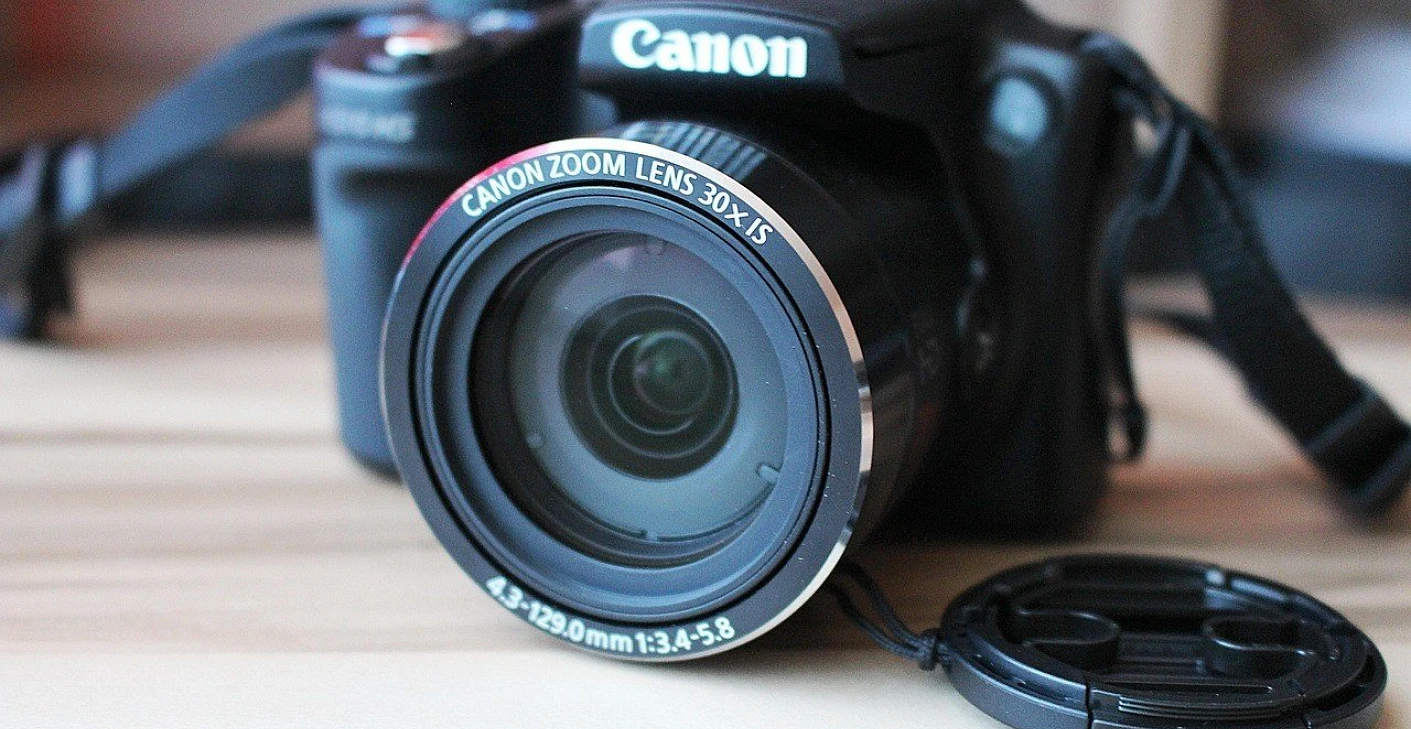
- Zoom Lenses: Variable focal length (e.g., 24-70mm, 70-200mm). Offer flexibility in framing without changing lenses.
Focal Length Categories Explained
1. Ultra-Wide Angle (10-24mm)
- Field of View: Extremely wide, often beyond what the human eye can see.
- Best For: Architectural photography, expansive landscapes, interior shots.
- Effects: Exaggerated perspective, making foreground elements appear larger.
- Watch Out For: Distortion around edges, which can be used creatively or corrected in post-processing.
2. Wide Angle (24-35mm)
- Field of View: Wide but less extreme than ultra-wide.
- Best For: Street photography, environmental portraits, group shots, landscapes.
- Effects: Allows you to capture more context in your frame while still maintaining manageable distortion levels.
- 35mm is a favorite among street photographers for its natural, slightly wide perspective.
3. Standard/Normal (35-70mm)
- Field of View: Closely matches human eye perception.
- Best For: Everyday photography, portraits, street, and travel.
- Effects: Balanced perspective; minimal distortion.
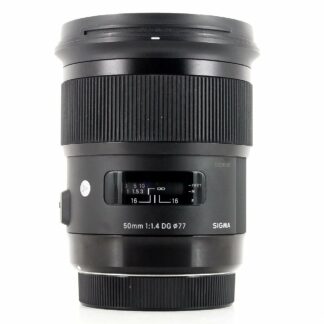
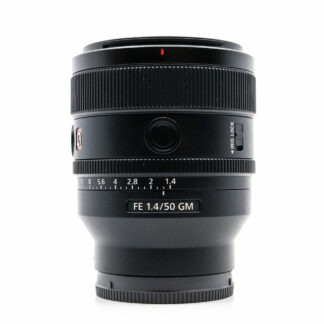
- 50mm (Nifty Fifty) is the classic “go-to” prime lens for beginners due to its versatility and affordability.
4. Short Telephoto (85-135mm)
- Field of View: Narrower, offering moderate subject compression.
- Best For: Portrait photography, event shooting, detail shots.
- Effects: Flattering perspective for portraits, with shallow depth of field and soft background blur (bokeh).
- 85mm lenses are widely considered the “portrait king” for their flattering facial proportions.
5. Medium to Super Telephoto (200mm and beyond)
- Field of View: Very narrow, focusing tightly on distant subjects.
- Best For: Wildlife, sports, birding, and distant subjects.
- Effects: Strong subject compression, allowing distant objects to appear closer. Excellent for isolating subjects.
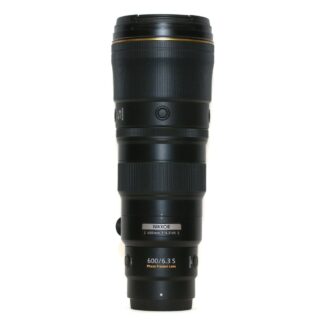
- 300mm-600mm lenses are essential for serious wildlife photographers.
How Sensor Size Affects Focal Length (Crop Factor)
Camera sensor size affects how a lens’s focal length behaves. Full-frame cameras have sensors equivalent to a 35mm film frame, while APS-C and Micro Four Thirds (MFT) cameras have smaller sensors, which effectively “crop” the image.
- APS-C sensors typically have a 1.5x (Nikon/Sony/Fujifilm) or 1.6x (Canon) crop factor.
- MFT sensors have a 2x crop factor.
Example:
- A 50mm lens on a full-frame camera behaves like a 50mm.
- The same 50mm lens on an APS-C camera gives an effective field of view similar to 75mm-80mm.
- On an MFT camera, it behaves like a 100mm lens.
This means APS-C and MFT shooters get more “reach” with telephoto lenses but lose width with wide-angle lenses.
Choosing the Right Focal Length for Your Photography
Here’s a quick guide to help you choose focal lengths based on what you want to shoot:
| Photography Type | Recommended Focal Lengths |
|---|---|
| Landscapes | 16-35mm (wide to ultra-wide) |
| Architecture/Interiors | 10-24mm (ultra-wide) |
| Street Photography | 28mm, 35mm, 50mm |
| Portraits (Headshots) | 85mm, 105mm, 135mm |
| Events & Weddings | 24-70mm, 70-200mm |
| Sports & Wildlife | 300mm, 400mm, 600mm |
| Macro Photography | 90mm, 100mm, 105mm macro lenses |
| Astrophotography | 14mm, 24mm (ultra-wide with f/2.8 or wider) |
Prime vs Zoom for Focal Length Needs
- Prime lenses (fixed focal length) often have wider apertures (f/1.2, f/1.4, f/1.8) which are great for low light and creating a shallow depth of field.
- Zoom lenses (variable focal length) provide versatility, especially useful for dynamic situations where you can’t move physically closer or farther.
A 24-70mm f/2.8 zoom is considered an essential workhorse lens for event photographers, while 70-200mm f/2.8 zooms are staples for sports and wedding photographers.
Focal Length and Depth of Field (DoF)
Focal length affects how blurred the background appears:
- Longer focal lengths (85mm and up) naturally compress the background and enhance background blur (bokeh).
- Shorter focal lengths (24mm-35mm) provide a wider depth of field, keeping more of the scene in focus.
If you’re aiming for creamy bokeh in portraits, an 85mm f/1.8 will give you far better subject separation than a 35mm f/2.8.
Focal Length Perspective Compression
- Wide-angle lenses (24mm and below) exaggerate the distance between subjects, making foreground objects appear much larger relative to the background.
- Telephoto lenses (85mm and up) compress the scene, making the background appear closer to the subject, which is flattering for portraiture and useful in wildlife photography to make distant objects appear larger.
Do You Need to “Match” the Focal Length to Your Genre?
Not necessarily. Some photographers love breaking the “rules”:
- Wide-angle portraits create an edgy, environmental look.
- Telephoto street photography allows capturing candid moments from a distance.
The focal length should match the look and feel you want, not just the genre.
Conclusion
Understanding focal length is key to making informed decisions when buying lenses. It’s not just about how “zoomed in” your photos are—it affects composition, subject isolation, background compression, and the entire mood of your images.
Whether you’re shooting with a full-frame DSLR, a crop-sensor mirrorless camera, or diving into vintage lenses, knowing how focal length impacts your photography will help you choose the right lens for the job. The right focal length equips you to tell your story the way you envision it.
When lens shopping, don’t focus solely on the numbers—consider how you want your images to look and feel, and choose focal lengths that match your creative vision.