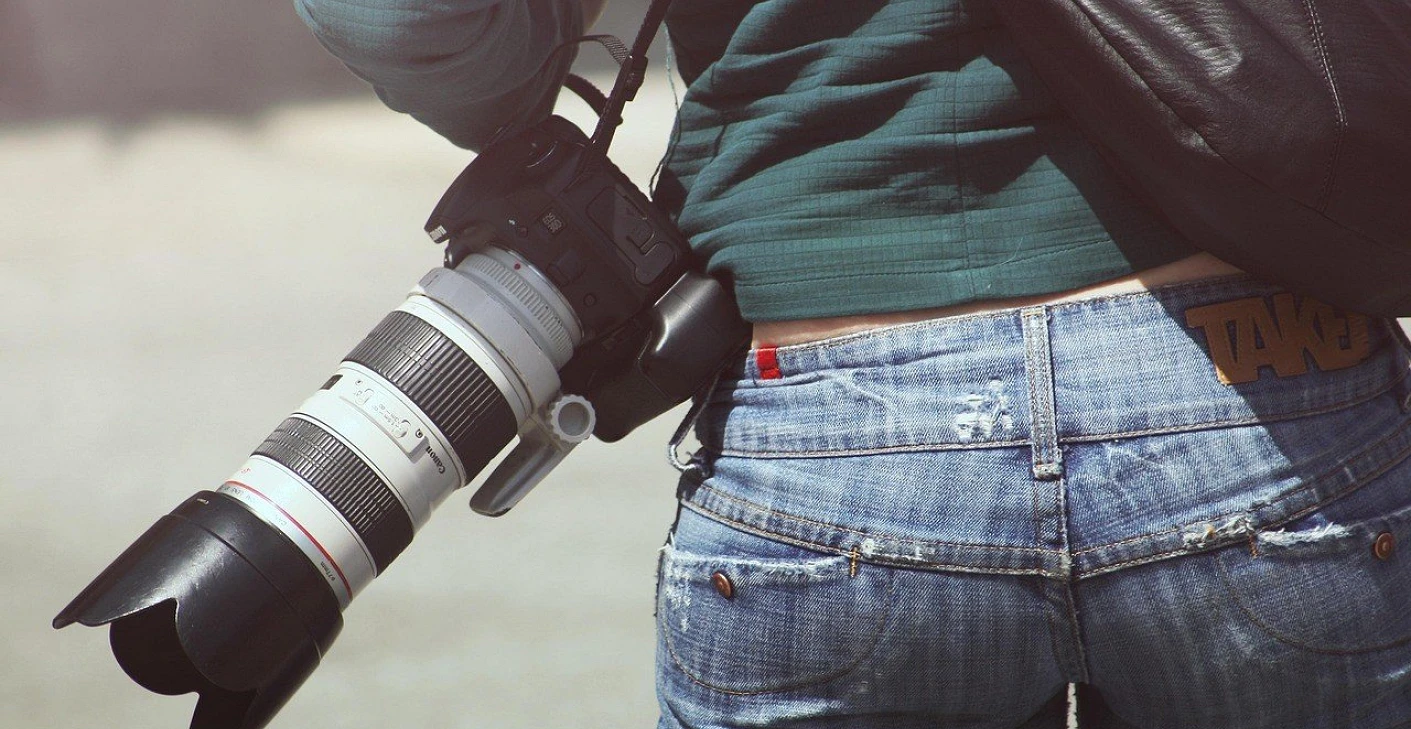
Debating between a prime or zoom lens? Discover the pros, cons, and key factors to consider when buying used lenses. Find out which option suits your photography needs and budget.
Prime vs Zoom: Which Used Lens Is Right for You?
When building a photography kit, one of the most common dilemmas photographers face is choosing between prime lenses and zoom lenses. Both types of lenses have unique strengths and limitations, and the choice often depends on your shooting style, subject matter, and personal preferences.
Buying used lenses can make this decision even more appealing, as it allows photographers to acquire high-quality glass at significantly lower prices. However, understanding whether a used prime lens or a used zoom lens is the right investment for you requires careful consideration.
In this article, we’ll break down the key differences between prime and zoom lenses, the pros and cons of each, and guide you in deciding which is the better fit for your photography needs.
What is a Prime Lens?
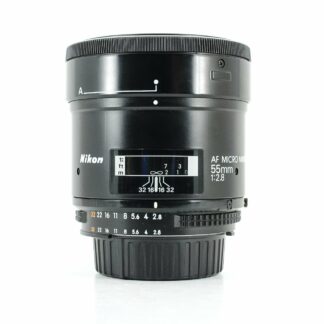
A prime lens has a fixed focal length. This means it doesn’t zoom in or out—what you see is what you get. Popular prime focal lengths include 35mm, 50mm, 85mm, and 135mm.
Because of their simpler optical design, prime lenses often excel in image quality, low-light performance, and compactness. They are the go-to choice for many portrait, street, and low-light photographers.
What is a Zoom Lens?
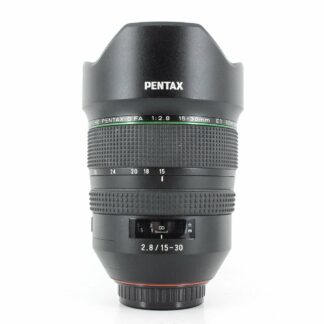
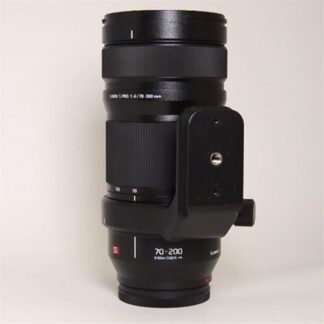
A zoom lens offers a variable focal length, allowing you to zoom in and out without changing lenses. Common examples include 24-70mm, 70-200mm, and 16-35mm zoom ranges.
Zoom lenses are incredibly versatile, making them ideal for situations where changing lenses isn’t practical, such as events, wildlife, or travel photography.
Advantages of Buying Used Prime Lenses
1. Superior Image Quality
Prime lenses typically offer sharper images, better contrast, and minimal distortion compared to zooms of the same generation. Since they have fewer optical elements, manufacturers can focus on perfecting their design for that specific focal length.
Buying a used prime lens allows photographers to get top-tier optical performance at a fraction of the new retail price.
2. Wide Apertures for Low-Light and Bokeh
Many prime lenses offer wide maximum apertures, like f/1.4 or f/1.8, which are ideal for shooting in low-light environments and achieving beautifully blurred backgrounds (bokeh).
Used prime lenses with wide apertures are often much more affordable than their new counterparts, giving photographers an excellent tool for portrait and night photography without stretching their budget.
3. Lightweight and Compact
Primes are generally smaller and lighter than zoom lenses, making them perfect for travel, street photography, or situations where you want to carry minimal gear.
Buying used compact prime lenses is an excellent option for photographers who value portability without compromising image quality.
Advantages of Buying Used Zoom Lenses
1. Versatility in Framing
A zoom lens allows you to adjust your framing without changing your physical position. This is invaluable in fast-paced environments like weddings, sports, and wildlife photography, where moments happen quickly, and there’s no time to swap lenses.
Purchasing a used zoom lens can provide professional-level versatility at a significantly lower cost than buying new.
2. Convenience of Fewer Lens Changes
With a zoom lens, you can cover a range of focal lengths with one piece of glass. This reduces the need to constantly change lenses, saving time and protecting your camera sensor from dust.
Used zoom lenses, especially professional-grade ones like 24-70mm f/2.8 or 70-200mm f/2.8, offer massive convenience at a fraction of the price of new models.
3. Ideal for All-in-One Solutions
For photographers who want to travel light or are just starting out, a used superzoom lens (like an 18-200mm) can provide an all-in-one solution. Though superzooms may not match the optical performance of primes or professional zooms, they are practical for casual shooting.
Prime vs Zoom: Key Considerations When Buying Used
1. Shooting Style and Subject Matter
- Portrait and Low-Light Photographers: A used prime lens with a wide aperture (e.g., 85mm f/1.8) will be a top choice for achieving creamy bokeh and excellent sharpness.
- Event and Wedding Photographers: A used zoom lens like a 24-70mm f/2.8 provides flexibility to frame shots quickly in dynamic environments.
- Street and Travel Photographers: A small used prime lens (like a 35mm f/2) is discreet and easy to carry.
- Sports and Wildlife Photographers: A used telephoto zoom (like a 70-200mm or 150-600mm) offers the reach and framing flexibility needed for distant subjects.
2. Budget Constraints
Prime lenses are generally more affordable, especially when buying used. However, if you need multiple focal lengths, the cost of buying several primes can add up. A used zoom lens could be a more economical solution for covering a broad focal range.
3. Lens Condition and Wear
Zoom lenses have more moving parts, making them more susceptible to mechanical wear, especially on zoom mechanisms and internal components like image stabilization units. When buying a used zoom, it’s crucial to inspect for smooth zoom and focus action and ensure no grinding or slippage.
Prime lenses, with their simpler design, are less prone to mechanical issues, which often makes them a safer buy in the used market.
Pros and Cons Summary
| Prime Lenses (Used) | Zoom Lenses (Used) |
|---|---|
| + Sharper image quality | + Versatile focal lengths |
| + Wider apertures (f/1.8, f/1.4) | + Ideal for fast-paced shooting |
| + Lightweight and compact | + Fewer lens changes needed |
| + Generally cheaper used prices | + All-in-one solutions for travel |
| – Fixed focal length limits framing | – Often heavier and bulkier |
| – May need multiple primes for flexibility | – More mechanical parts = higher wear risk |
Should You Start with a Used Prime or Zoom?
For beginners, starting with a used zoom lens can provide the flexibility to explore different focal lengths without the need to invest in multiple lenses. A good used zoom like an 18-55mm kit lens or a 24-105mm f/4L can cover a wide range of scenarios while offering solid image quality.
For photographers who are more specialized in their style—such as portrait, street, or low-light shooters—a used prime lens will deliver the shallow depth-of-field and optical performance they crave at an affordable price.
The Hybrid Approach: Mix and Match
Many photographers eventually opt for a combination of primes and zooms. For example, a 24-70mm zoom for versatility, combined with a 50mm f/1.8 prime for creative portraits or low-light conditions. Buying used lenses makes this hybrid approach more financially accessible.
Final Tips for Buying Used Primes and Zooms
- Inspect Thoroughly: Look for scratches, internal dust, smoothness of rings, and proper autofocus operation.
- Test Image Quality: Capture sample shots at various apertures and zoom ranges.
- Buy from Reputable Sellers: Choose trusted camera stores or marketplaces with buyer protection.
- Consider Age & Usage: Older zoom lenses with heavy usage may show more mechanical wear than primes.
- Factor in Future Needs: Think long-term about the lenses that will grow with your photography.
Conclusion
Choosing between a used prime lens and a used zoom lens depends on your photography goals, shooting style, and budget. Prime lenses offer unbeatable image quality, wider apertures, and compact designs, making them ideal for portraits and creative work. Zoom lenses provide unmatched versatility, allowing photographers to adapt quickly to different scenes and subjects.
By purchasing used, you can enjoy premium lenses at a fraction of the cost, whether you choose the optical excellence of a prime or the flexibility of a zoom. With careful inspection and smart buying choices, both options can elevate your photography without breaking the bank.