Posted on

How to Inspect a Used Lens Before You Buy It

Learn how to inspect a used camera lens before buying. This step-by-step guide covers checking for damage, testing focus, aperture, image quality, and tips for buying safely in-person or online.

How to Inspect a Used Lens Before You Buy It

Buying a used lens is one of the smartest ways to build a high-quality photography kit without spending a fortune. However, unlike buying brand-new gear, purchasing used lenses requires careful inspection to ensure you’re getting a product that performs as expected. While many pre-owned lenses are in excellent condition, it’s essential to know how to spot hidden defects that could affect image quality or functionality.

Whether you’re buying from a camera store, an online marketplace, or a private seller, this guide will walk you through how to inspect a used lens before you buy it, so you can make a confident and informed decision.


1. Research the Lens Model First

Before you meet the seller or make an online purchase, familiarize yourself with the lens model you’re considering. Understand its specifications, known issues, and typical market price. Look up reviews, sample images, and common problems associated with that particular lens.

This knowledge will help you assess whether the lens is performing as it should and ensure you’re not overpaying.


2. Inspect the Lens Body

Start with a thorough visual inspection of the exterior of the lens. While minor cosmetic wear like small scuffs or scratches on the barrel is normal for used gear, be cautious of:

  • Dents or major impacts on the lens barrel, especially near the front or rear elements.
  • Loose or wobbly parts, such as a zoom or focus ring that feels unstable.
  • Missing screws or parts, which might indicate prior repairs or disassembly.
  • Damaged filter threads, which could prevent the attachment of filters or lens caps.

A lens with significant external damage may have internal issues as well, so it’s essential to proceed with caution if you notice these red flags.


3. Check the Glass Elements

One of the most critical steps is to inspect the front and rear glass elements. Here’s what to look for:

What’s Acceptable:

  • Tiny dust particles inside the lens (common in used lenses and rarely affect image quality).
  • Minor surface cleaning marks on the glass, as long as they don’t affect clarity.

Red Flags:

  • Scratches on the glass elements (especially deep scratches).
  • Haze or fogging inside the lens, which can reduce contrast and sharpness.
  • Fungus growth, which looks like spiderweb patterns or small white/gray patches inside the lens.
  • Separation of lens elements, visible as rainbow-colored patches or bubbles under the surface.

To properly inspect the glass, hold the lens up to a light source and tilt it at different angles. Use a small flashlight to examine internal elements closely.


4. Test the Focus Ring and Zoom Mechanism

Gently rotate the focus ring and, if applicable, the zoom ring. Pay attention to:

  • Smoothness: The rings should move smoothly without grinding or stiffness.
  • No Slipping or Sticking: There should be no points where the rings get stuck or slip unnaturally.
  • Focus Throw Resistance: Manual focus lenses may have more resistance, but it should still feel even and controlled.

Any unusual resistance, grinding, or looseness might indicate internal damage or wear that can affect usability.


5. Inspect the Aperture Blades

If the lens has a manual aperture ring or visible aperture blades, check the following:

  • Blades should be clean and free of oil. Oil on aperture blades can lead to sticking or malfunction.
  • The blades should open and close smoothly when adjusting the aperture.
  • If inspecting a modern autofocus lens, test aperture actuation by mounting it on a camera and using depth-of-field preview or testing at various f-stops.

Sticky or sluggish aperture blades are a sign of internal issues and often require professional repair.


6. Mount the Lens on a Camera Body

If possible, bring your camera body (or ask the seller to provide one) to test the lens in real-time. Mount the lens securely and test the following:

Autofocus:

  • Ensure autofocus is working correctly in both single and continuous focus modes.
  • Check for quick, accurate focus acquisition.
  • Listen for unusual noises (grinding, buzzing) during focusing.

Image Stabilization (if applicable):

  • Activate the lens’s image stabilization (IS/VR/OSS) function and test for proper operation.
  • Listen for odd clicking or motor noises that could indicate malfunction.

Communication with Camera:

  • Check if the lens aperture settings are correctly registered by the camera.
  • Make sure EXIF data (focal length, aperture) displays accurately.
  • Test all electronic functions like autofocus, focus peaking (for manual lenses), and stabilization features.

7. Capture Test Shots and Examine Image Quality

Take several test shots under different conditions:

  • Wide Open Aperture Test: Check for sharpness, vignetting, and optical clarity at the widest aperture.
  • Stopped-Down Test: Test image sharpness and consistency at f/5.6 to f/8.
  • Backlight Test: Shoot towards a light source to spot lens flare, internal reflections, and potential haze.
  • Focus Accuracy Test: Use live view or autofocus points to ensure the lens locks onto subjects precisely.

After shooting, review the images on your camera’s screen and later on a computer monitor to ensure there are no softness issues, unusual color casts, or defects like spots caused by internal dust/fungus.


8. Inspect the Lens Mount

Examine the lens mount for excessive wear, scratches, or damage to electronic contacts. A damaged lens mount can cause poor fitment, communication errors, or even damage your camera body.

Ensure the lens mounts securely and locks in place without excessive play or wobble.


9. Ask About Lens History and Usage

If buying from a private seller, ask:

  • How long they’ve owned the lens.
  • What kind of photography they used it for.
  • If it’s been serviced or repaired.
  • How it’s been stored (dry boxes, climate-controlled environments).

Sellers who have taken good care of their gear will usually be transparent and willing to discuss the lens’s history.


10. Verify Accessories and Packaging

While not a deal-breaker, having the original lens caps, hood, pouch, and box is a good sign that the lens was well cared for. Missing accessories aren’t necessarily a problem, but they can slightly affect resale value later on.

If purchasing from a retailer, check whether the lens comes with a warranty or return policy. Many reputable sellers of used gear offer a short return window for added peace of mind.


Final Tips for Buying Used Lenses Online

If buying online and an in-person inspection isn’t possible:

  1. Ask for High-Resolution Photos: Request detailed images of the lens body, glass elements, and mount.
  2. Request a Video Demonstration: Ask the seller to send a short video showing the lens in operation (autofocus, zoom, aperture blades).
  3. Check Seller Reputation: Only buy from sellers with positive feedback or reputable platforms that offer buyer protection.
  4. Understand Return Policies: Make sure there’s a return window in case the lens doesn’t meet expectations upon arrival.

Conclusion

Buying a used lens can be one of the most rewarding decisions a photographer makes. With the right inspection techniques, you can acquire high-quality lenses that perform just as well as new ones while saving a significant amount of money. Whether you’re purchasing from a private seller or a trusted store, taking the time to thoroughly inspect a used lens ensures you get reliable equipment that will serve you well for years.

Understanding what to look for—and what to avoid—turns buying used lenses from a gamble into a smart, informed investment. With these inspection steps, you can shop with confidence and grow your photography gear arsenal the smart way.

Posted on

What is Camera Sensor?

n the broadest terms, a digital cam sensor is a solid-state device that is sensitive to light. When photons are focused on the sensing unit by your DSLR’s lens, those photons are signed up and, if sufficient build up, are translated into digital signal to produce an image map you can see on your cam’s LCD and transfer to your computer for editing.

The process of making a sensing unit

What basically happens is that wafers of silicon are used as the base for the integrated circuit, which are developed through a process called photolithography. This is where the patterns of the circuitry are repeatedly predicted onto the (sensitized) wafer, before being dealt with so that only the pattern remains. Funnily enough, this bears many similarities to traditional photographic processes, such as those utilized in a darkroom when developing movie and printing.

This process develops countless tiny wells known as pixels, and in each pixel there will be a light delicate component which can pick up the number of photons have come to that specific place. As the charge output from each location is proportional to the intensity of light falling onto it, it ends up being possible to recreate the scene as the professional photographer initially saw it– however a variety of processes need to take place before this is all possible.

As sensing unit is an analogue device, this charge initially needs to be converted into a signal, which is magnified before it is converted into a digital kind. So, an image may eventually look like a collection of various items and colours, but at a more fundamental level each pixel is merely provided a number so that it can be comprehended by a computer system (if you zoom into any digital image far enough you will be able to see that each pixel is simply a single coloured square).

A well as being an analogue device, a sensor is also colour blind. For it to sense different colours a mosaic of coloured filters is put over the sensing unit, with twice as lots of green filters as there are of each red and blue, to match the heightened level of sensitivity of the human visual system towards the colour green. This system implies that each pixel only gets colour information for either red, green or blue– as such, the values for the other 2 colours needs to be thought by a process known as demosaicing. The option to this system the Foveon sensor, which uses layers of silicon to take in various wavelengths, the result being that each place receives complete colour info.

The Megapixel myth – Is more much better?

At one point it was essential to establish sensing units with a growing number of pixels, as the earliest types were not adequate for the needs of printing. That barrier was quickly broken, but sensors continued to be developed with a greater number of pixels, and compacts that once had two or three megapixels were quickly changed by the next generation of 4 of 5 megapixel versions. This has actually now escalated up to the 20MP compact cams on the marketplace today. As helpful as this is for manufacturers from a marketing viewpoint, it did little to educate customers regarding how many were needed-and more notably, just how much was excessive.

More pixels can mean more in details, but the size of the sensor is crucial for this to hold true: this is essentially because smaller pixels are less efficient than larger ones. The main attributes which separate images from compact cameras (with small sensors) and those from DSLRs, Compact Sytem Cameras or compact cameras with a large sensor are dynamic range and noise, and the latter types of camera fare better with regards to each. As its pixels can be made larger, they can hold more light in relation to the noise created by the sensor through its operation, and a higher ratio in favour of the signal produces a cleaner image. Noise reduction technology, used in most cameras, aims to cover up any noise which has formed in the image, but this is normally only attainable by compromising its detail. This is standard on basic cameras and usually cannot be deactivated, unlike on some advanced cameras where the option to do so is provided (meaning you can take more care to process it out later yourself).

The increased capacity of larger pixels likewise indicates that they can include more light before they are full– and a complete pixel is essentially a blown emphasize. When this occurs on a largely populated sensing unit, it’s easy for the charge from one pixel to overflow to neighbouring websites, which is known as flowering. By contrast, a bigger pixel can consist of a greater range of tonal worth’s before this happens, and specific ranges of sensor will be fitted with anti-blooming gates to drain pipes off excess charge. The drawback to this is that the gates themselves require space on the sensor, and so once again jeopardize the size of each specific pixel.

Kinds of Sensors

Capturing the photons effectively and precisely is the challenging part. There’s a lot more to understand about sensors than the variety of megapixels. There are great reasons that one 15 megapixel sensor and its electronic devices produce merely excellent photos, whereas a different sensing unit in the very same resolution range is capable of marvellous results.

There are two primary types of sensing units utilized in digital video cameras, called CCD (for charge paired gadget) and CMOS (for complementary metal oxide semiconductor). Thankfully, today there is little need to understand the technical differences in between them, or, even which kind of sensor lives in your camera. Early in the game, CCDs were the choice for premium image capture, while CMOS chips were the low-cost alternative utilized for less important applications. Today, innovation has advanced so that CMOS sensors have actually conquered essentially all the benefits CCD imagers formerly had, so that CMOS has actually ended up being the dominant image capture gadget, with just a few cams using CCDs staying.

Posted on

The compact camera – camera purchase advice

Which camera should I buy? One of the most frequently asked questions in the beginning of a photographer and beyond. On this page I’ll show you why compact cameras are the right choice for you; or not. Let’s go 😉

1 What is a compact camera?

2 The advantages of a compact camera

3 disadvantages of compact cameras

4 Who is the compact camera for?

What is a compact camera?

The compact camera is, as its name suggests, compact, i.e. very small and handy. All components are designed to be as small and light as possible. A small flash is usually built into the camera housing and the lenses are specially developed for the smaller cameras and are also smaller. They are mostly designed to turn them on and just get started. For this reason, the lens, which cannot always be changed, is designed to simply photograph everything. Some cameras offer further setting options, but the primary focus is often the simple “point and shoot”. Hold on and release.

The advantages of a compact camera

Mobility

Regardless of whether it is a pocket, a backpack or simply in the hand the compact camera simply fits everywhere. You can just take them with you wherever you go. Due to its small size and hardly any weight, it is extremely mobile and no problem even on long journeys. This is a real advantage compared to a SLR camera 🙂

Service

These cameras are designed to be operated by laypeople and are therefore extremely easy and intuitive to use. They are entry-level cameras and although you can control aperture , ISO and exposure time in some models , you will look in vain for one or the other professional function. But that’s not bad, because it makes operation easier and one must not forget: the cameras are not made for this.

Universal

A compact camera with its fixed lens can be used universally in all situations. With a DSLR or DSLM you would have to take several lenses with you, such as a macro lens, a wide angle lens, a telephoto lens, etc … The compact camera combines all of this in one lens. Super zoom and macro are functions that can be found with these cameras. So you are prepared for every situation and it is not necessary to change the lens.

Depth of field

Now it’s getting a bit technical. Compact cameras have a very small sensor. The size of the image sensor has an influence on the focus area. This means that with a small image sensor you can get a large area of ​​focus. If you want to have as much sharpness as possible in the pictures, you need a small image sensor. Architecture and landscapes can be reproduced very well, while cameras with a larger image sensor would have to close the aperture significantly and therefore need more light.

Price

We’re still with the small image sensor. Because small sensors are cheaper to manufacture. There are also devices in the field of compact cameras that exceed £ 2000, but these also have a large image sensor. The purchase and entry into photography is extremely cheap with these cameras, and the enormous spread of smartphones further lowers the price.

Disadvantages of compact cameras

Of course the world is not perfect. Everything has its disadvantages and so of course compact cameras too. Below I have listed the most important ones for you.

Limited image quality

Compact cameras are all-rounders. They can do anything, but that also means they are not really good at anything. Anyone who can do a lot, offers everything and that at a reasonable price has to compromise somewhere. In this case, the small image sensor is to blame. Compared to DSLR / DSLM cameras, you have to compromise on sharpness, dynamic range and the ability to take photos in the dark ( ISO noise). Especially in demanding situations it is very difficult to achieve useful results for these small karmas. Taking photos freehand in the dark? Not a very good idea.

Limited quality of the lens

I already said that you always have to cut corners with an all-rounder. The same goes for the lens. The size of the lens and the usually enormous zoom result in a loss of sharpness, vignetting and chromatic aberration. In addition, every light reflex is reflected across the lens and makes photography almost impossible in some situations. Of course, I am comparing € 1,000 lenses with a £100 camera-lens combination, but you should know what you’re getting yourself into … It gets better (it always gets better)

Handling

A problem that I’ve had with many DSLM and bring cameras: They are simply too small. That makes it very mobile, but it is also demanding to use the small buttons and it happens again and again that you press 3 buttons at the same time. The cameras also have no eyepiece and you have to rely completely on the display. This can work, but in strong sunlight this display is almost useless.

Lens change

There are compact cameras in the higher-priced segment that offer the option of changing the lens. However, I now assume that you are using a device that does not offer this functionality. A lens that is permanently installed has advantages, but an upgrade or a change is simply not possible here. As a photographer you always want to adapt the camera to the given situation and that only works semi-well here.

Who is the compact camera for?

I can answer this question very easily. For everyone who wants a camera that just works. You don’t want to deal with many setting options? Just hold on, pull the trigger and receive a photo as a memento? Then this type of camera is perfect for you. It is small, light, universally applicable and also inexpensive. However, if you now expect the ultimate camera that perfectly photographs every situation at the push of a button, then you will be more likely to be disappointed. These cameras have technical limitations and are perfect for someone who just wants to capture memories.

Posted on

Buying a Used Sony a7 III: What to Check Before You Commit

Thinking of buying a used Sony a7 III? Discover what to check before committing — from shutter count and sensor condition to firmware, accessories, and trusted sellers — to ensure you get the best value and performance in 2025.

Buying a Used Sony a7 III: What to Check Before You Commit

The Sony a7 III has become one of the most popular full-frame mirrorless cameras since its launch, praised for its outstanding image quality, dynamic range, reliable autofocus, and excellent video capabilities. As newer models have emerged, the a7 III remains a strong performer — and its price in the used market has become even more attractive. But before you commit to buying a used Sony a7 III, it’s essential to understand what to look for, what to avoid, and how to get the best value for your money.

Whether you’re a first-time buyer or upgrading from an older model, this guide will walk you through the key things to check before purchasing a pre-owned Sony a7 III.


1. Know the Camera’s Market Value

Before anything else, do your research on the average selling price for a used Sony a7 III. Prices vary depending on the condition, shutter count, included accessories, and seller reputation. As of 2025, a good condition body typically sells between $850 to $1,200 USD.

Buying from reputable used gear retailers often costs a bit more than buying from private sellers, but it usually includes some level of warranty or return policy. Weigh your priorities between peace of mind and a lower price.


2. Check Shutter Count

The Sony a7 III is rated for around 200,000 shutter actuations, which is fairly standard for a full-frame camera. When evaluating a used unit, ask the seller for the shutter count. Ideally, look for units under 50,000 actuations — though a higher count isn’t necessarily a deal-breaker if the camera is well cared for and priced accordingly.

If you’re inspecting the camera in person, you can use software tools or upload an unedited JPEG to a shutter count website to get this data.


3. Examine the Exterior Condition

Cosmetic condition can give you clues about how the camera was treated. Check for:

  • Scratches or dents on the body
  • Loose dials or sticky buttons
  • Worn rubber grips
  • Mount wear where the lens connects
  • Cracked or scratched LCD screen

Minor cosmetic flaws are expected in used gear, but structural damage could mean a harder life and potential hidden issues.


4. Test All Ports, Buttons, and Dials

Make sure all input/output ports are functional, including:

  • USB-C and Micro HDMI
  • Headphone and mic jacks
  • Memory card slots (dual SD card)
  • Battery and charger connections

Also, go through every button, dial, and menu item. Ensure the joystick, rear and front dials, shutter button, and AF/MF switch all respond properly.


5. Inspect the Sensor and Viewfinder

Check the sensor for dust, scratches, or damage. A little dust is common and usually removable, but scratches or oil spots could affect image quality. Use a flashlight at an angle to help detect surface flaws.

For the electronic viewfinder (EVF) and rear LCD, make sure both display clean images with no dead pixels or discoloration. Check brightness and resolution in live view and playback modes.


6. Autofocus and IBIS Functionality

The Sony a7 III has advanced autofocus with 693 phase-detection points and 5-axis in-body image stabilization (IBIS). Test autofocus speed and accuracy in both stills and video modes using a lens you trust. Confirm that eye autofocus and continuous tracking modes work as expected.

IBIS issues may not always be obvious at first — try taking handheld shots at slow shutter speeds (1/15 sec or slower) to ensure stabilization is active and effective.


7. Firmware and Compatibility

Check if the camera’s firmware is up to date. You can find this in the camera’s menu (under Setup > Version). The latest firmware improves autofocus and lens compatibility. Updating is easy, so don’t worry if it’s outdated — but make sure the camera responds to firmware updates.

Also verify compatibility with your current or future Sony E-mount lenses. Some older third-party lenses may require firmware updates to work well with the a7 III.


8. Ask About Original Accessories

Used cameras often come without the original box or manuals, but some accessories are essential. Ideally, the camera should include:

  • Original Sony battery (NP-FZ100)
  • Sony battery charger
  • Body cap
  • Strap

Third-party batteries are common in used kits, but genuine batteries last longer and are more reliable. Factor in the cost of buying missing accessories when considering the overall deal.


9. Ask About Warranty or Return Policy

Buying from a reputable used gear store often includes a 30- or 90-day warranty. Some platforms like KEH, B&H Used, or MPB offer extended warranty options. Private sellers rarely provide this, so know the risk before buying.

If you’re buying locally (e.g., Facebook Marketplace, Craigslist), arrange to meet in a public place and test the camera thoroughly before handing over any money.


10. Consider Buying Used From Trusted Sources

When possible, buy from trusted platforms that specialize in used camera gear. Examples include:

  • KEH
  • MPB
  • B&H Photo (Used Department)
  • Adorama Used
  • LensAuthority
  • Local camera stores

These sellers inspect gear, rate condition honestly, and usually offer warranties and returns. It’s a safer option for most buyers than rolling the dice on unknown individuals.


Final Thoughts: Is It Worth It?

The Sony a7 III continues to be a fantastic camera for enthusiasts, professionals, hybrid shooters, and video creators — even several years after its release. Its performance holds up in 2025, and buying it used can save you hundreds of dollars over a new model or newer alternatives like the a7 IV.

By taking the time to inspect the camera carefully, verify its condition, and buy from a reputable source, you can confidently invest in a used a7 III that will serve you for years to come.

Posted on

Why Photographers Keep Coming Back for Our Used Lenses

Discover why photographers trust us for high-quality used lenses. From rigorous testing and unbeatable value to exceptional customer support, learn why we’re the go-to source for affordable, reliable photography gear.

Why Photographers Keep Coming Back for Our Used Lenses

In a world where technology is constantly evolving, photographers are always on the lookout for the best gear to bring their creative visions to life. But as much as shiny new lenses have their appeal, there’s a growing number of photographers who prefer to invest in high-quality used lenses. Time and again, these photographers choose us as their trusted source. Why? The answer lies in a combination of quality assurance, unbeatable value, and a customer-first approach that builds long-term trust.

The Hidden Gems in Used Lenses

A common misconception among novice photographers is that used lenses are synonymous with worn-out or outdated equipment. The reality, however, is quite different. High-end lenses are built to last. With proper care, a professional-grade lens can perform at its peak for decades. Many photographers upgrade or switch systems not because their lenses are failing, but because of personal preferences or specific project needs. This creates a market filled with lenses that are still in excellent condition.

When customers browse our inventory, they often discover “hidden gems”—legendary lenses with optical qualities that newer models can’t replicate. Whether it’s the dreamy bokeh of a classic 85mm f/1.4 or the timeless rendering of a manual focus 50mm lens, these are treasures that seasoned photographers deeply appreciate.

Rigorous Testing and Transparent Grading

One of the biggest reasons photographers keep returning to us is our strict testing and grading process. Every lens that comes through our doors undergoes a comprehensive inspection by our experienced technicians. We assess every critical aspect—from autofocus accuracy and aperture function to optical clarity and cosmetic condition.

But we don’t stop at internal evaluations. Our grading system is designed to be as transparent as possible. Each product listing clearly indicates whether a lens is in “Like New,” “Excellent,” “Good,” or “Fair” condition. Along with the grade, we provide detailed notes about any minor imperfections like surface scratches, paint wear, or internal dust. This level of honesty builds trust and reassures customers that what they see is what they get—no surprises upon delivery.

Affordable Access to Premium Glass

Photography can be an expensive passion. For budding enthusiasts, students, or even professional photographers working within tight budgets, buying brand-new gear is not always practical. This is where the value of used lenses becomes undeniable.

We make it possible for photographers to acquire premium lenses at a fraction of their original price. By offering competitively priced used options, we enable our customers to expand their kit with higher-quality glass than they could otherwise afford. This not only benefits their current projects but also elevates the overall quality of their work.

Customers appreciate knowing that they can access professional-grade lenses without compromising on performance or breaking the bank. It’s this democratization of quality gear that keeps them coming back.

A Trade-In Program That Fuels Upgrades

Another reason photographers remain loyal to us is our convenient trade-in program. We understand that creative needs evolve, and sometimes gear that once felt essential may no longer serve a photographer’s style. Our trade-in service allows customers to turn their underused equipment into credit towards their next purchase.

This program creates a circular ecosystem—photographers can upgrade their gear while ensuring their old lenses find new homes with other photographers who need them. It’s a win-win that promotes sustainability and keeps valuable equipment in circulation rather than gathering dust on shelves.

Trust Through Exceptional Customer Support

Purchasing used gear requires a leap of faith, and we recognize the importance of standing by our customers every step of the way. Our dedicated customer support team is always ready to assist—whether it’s helping a customer choose the right lens for their needs or addressing post-purchase concerns.

We offer hassle-free return policies and warranty options that give photographers peace of mind. When customers know that they’re not taking on unnecessary risks, they feel confident in choosing us for their next purchase. Many first-time buyers have become loyal patrons simply because of the care and attention they receive from our team.

Stories from the Field: Real-World Validation

One of the most powerful endorsements we receive comes from the photographers themselves. Customer stories, reviews, and shared photographs showcase the incredible results achieved with our used lenses.

From breathtaking landscapes captured with a used ultra-wide zoom to intimate portraits rendered with a vintage prime, these images serve as living proof that used gear can deliver stunning results. When photographers see their peers creating award-winning work with used lenses, it validates the decision to choose pre-owned over new.

We regularly feature customer stories on our website and social media channels, celebrating the artistic achievements of our community. This connection fosters a sense of belonging and reinforces the idea that purchasing used gear is not just a financial choice but a smart, creative one.

Environmental Responsibility: A Conscious Choice

In an era where environmental consciousness is more important than ever, buying used lenses is a sustainable choice. Manufacturing new products consumes resources and contributes to carbon emissions. By extending the lifecycle of existing lenses, photographers actively reduce waste and lessen their environmental impact.

We are proud to play a part in this eco-friendly movement. Many of our customers share this sentiment, appreciating that their purchases align with their values of sustainability and responsible consumption.

A Curated Selection of Trusted Brands

Not all used gear is created equal, and we take pride in curating an inventory that reflects only the best in optical craftsmanship. Our selection features lenses from trusted brands like Canon, Nikon, Sony, Fujifilm, Sigma, Tamron, and Leica. Whether it’s a sought-after G Master lens or a rare manual-focus gem, our catalog is designed to cater to both mainstream and niche demands.

This curated approach saves customers time and effort. Instead of sifting through questionable listings or dealing with unreliable sellers, they can shop with confidence, knowing that every lens has passed our quality benchmarks.

The Relationship Goes Beyond the Sale

Ultimately, photographers keep coming back to us because we view our relationship with them as an ongoing partnership—not just a one-time transaction. We are invested in their growth, offering resources like lens-buying guides, shooting tips, and post-purchase support.

We believe that when photographers succeed, we succeed. This philosophy permeates every aspect of our business, fostering a community where trust, expertise, and passion for photography thrive.


Conclusion

In a market saturated with options, photographers choose to return to us for their used lenses because we deliver on quality, value, and service. Through rigorous testing, transparent grading, affordable pricing, and unwavering customer support, we’ve built a trusted reputation that resonates with both amateur and professional photographers alike. Add to that the environmental benefits and a vibrant community that shares success stories, and it’s clear why our customers continue to see us as their go-to source for used photography gear.

Posted on

Top 10 Used Lenses Every Photographer Should Consider in 2025

Discover the top 10 used camera lenses every photographer should consider in 2025. Get pro-level performance at affordable prices with these must-have lenses for Canon, Nikon, Sony, Fujifilm, and more.

Top 10 Used Lenses Every Photographer Should Consider in 2025

In the ever-evolving world of photography, lenses are arguably the most important part of a photographer’s toolkit. While camera bodies get frequent upgrades, high-quality lenses retain their value and performance for many years. For photographers looking to expand their gear without spending a fortune, the used lens market is a treasure trove of opportunity.

In 2025, with advanced mirrorless systems dominating headlines, many outstanding DSLR and early mirrorless lenses are available at unbeatable prices. Some of these lenses are timeless workhorses, while others offer unique optical character that new lenses simply can’t replicate.

Here are the top 10 used lenses every photographer should consider in 2025, whether you’re a beginner, hobbyist, or seasoned professional.


1. Canon EF 24-70mm f/2.8L II USM

The Canon EF 24-70mm f/2.8L II is often regarded as one of the best standard zoom lenses ever made. Known for its sharpness, fast aperture, and professional-grade build quality, this lens is a go-to for wedding, portrait, and event photographers.

With many Canon shooters transitioning to RF mirrorless systems, the used market is now filled with these incredible lenses at significantly reduced prices. It pairs seamlessly with EF-RF adapters, making it a smart choice even for mirrorless users.


2. Nikon AF-S NIKKOR 70-200mm f/2.8G ED VR II

The Nikon 70-200mm f/2.8G VR II has long been a favorite among sports, wildlife, and portrait photographers. Its constant f/2.8 aperture, exceptional image stabilization (VR), and tank-like build make it a professional’s workhorse.

As Nikon mirrorless users shift towards Z-mount lenses, this once-premium lens can now be found on the used market at budget-friendly prices. It remains a phenomenal lens when paired with an FTZ adapter on mirrorless bodies.


3. Sony FE 85mm f/1.8

The Sony FE 85mm f/1.8 is often called the “budget portrait king.” It offers beautiful bokeh, sharpness, and lightning-fast autofocus—all in a compact and lightweight package.

For portrait photographers or those entering the Sony full-frame ecosystem, this lens provides stunning image quality without the hefty price tag of Sony’s GM series lenses. Given its popularity, it’s now widely available on the used market.


4. Sigma 35mm f/1.4 DG HSM Art

Sigma’s 35mm f/1.4 Art lens revolutionized third-party lens expectations, delivering performance that rivaled or even surpassed first-party offerings. It’s a versatile focal length ideal for street, event, and environmental portrait photography.

With Sigma releasing mirrorless-specific versions of this lens, DSLR-mount versions (Canon EF, Nikon F) are now selling for a fraction of their original price on the used market.


5. Tamron 28-75mm f/2.8 Di III RXD (Sony E-mount)

For Sony mirrorless users, the Tamron 28-75mm f/2.8 offers an affordable alternative to Sony’s native standard zooms. Known for its lightweight design, fast aperture, and excellent optical quality, it’s a favorite among travel and event photographers.

Since Tamron has updated this lens with newer versions, the original RXD model is now a fantastic value buy on the used market for photographers seeking pro-level performance on a budget.


6. Fujifilm XF 56mm f/1.2 R

For Fujifilm X-series shooters, the XF 56mm f/1.2 R is a must-have portrait lens. Its wide f/1.2 aperture produces stunningly shallow depth-of-field and creamy bokeh, making it a favorite for portrait and fashion photographers.

With Fujifilm’s newer versions arriving in 2025, this original 56mm is appearing in used listings at highly attractive prices while still delivering breathtaking image quality.


7. Canon EF 100mm f/2.8L Macro IS USM

The Canon EF 100mm f/2.8L Macro is a dual-purpose gem. Not only is it an exceptional macro lens, but it also doubles as a razor-sharp portrait lens with beautiful background compression.

Thanks to its hybrid image stabilization and legendary L-series optics, this lens is highly sought after. However, as many Canon users switch to RF macro alternatives, the EF version can now be found used at considerable savings.


8. Nikon AF-S DX 35mm f/1.8G

For Nikon DX (APS-C) DSLR shooters, the 35mm f/1.8G is a budget-friendly prime lens that punches well above its weight. Offering a 50mm equivalent field of view, this lens is perfect for everyday photography, street shots, and portraits.

Its affordability, lightweight build, and sharp optics make it an essential lens, and used versions are abundant in the second-hand market.


9. Sigma 150-600mm f/5-6.3 DG OS HSM Contemporary

Wildlife and sports photographers seeking reach without spending a fortune flock to Sigma’s 150-600mm Contemporary lens. It offers versatile zoom, optical stabilization, and excellent image quality in a surprisingly portable package.

With new mirrorless telephoto options on the market, DSLR versions of this lens are becoming more affordable in used listings, providing an accessible gateway into extreme telephoto photography.


10. Tokina AT-X 11-20mm f/2.8 PRO DX

For APS-C DSLR users looking to explore ultra-wide photography, the Tokina 11-20mm f/2.8 offers fantastic value. It’s ideal for landscapes, architecture, astrophotography, and interiors.

Unlike many budget ultrawide zooms, it features a constant f/2.8 aperture, making it suitable for low-light conditions. With many photographers upgrading to full-frame or mirrorless systems, this lens can now be found at bargain prices on the used market.


Bonus Tip: Watch for Adapted Vintage Lenses

In 2025, adapting vintage manual focus lenses onto modern mirrorless bodies continues to grow in popularity. Classic lenses from brands like Minolta, Pentax, Olympus, and even Soviet-era brands like Helios offer unique optical characteristics at very affordable prices. If you enjoy experimenting with creative bokeh, flare, and vintage rendering, hunting for vintage glass in the used market is both exciting and rewarding.


Why Buying Used Lenses is a Smart Move in 2025

The used lens market in 2025 is more robust and dynamic than ever. As camera manufacturers release new mirrorless systems, many photographers are selling off their DSLR lenses, flooding the market with high-quality glass at discounted prices. This creates a golden opportunity for savvy buyers to acquire professional-grade lenses without stretching their budgets.

Additionally, lenses are long-term investments. Unlike camera bodies, which can become obsolete with technological advances, lenses often retain their value and usability for many years. With proper care, a used lens can deliver outstanding results, whether you’re a professional or an enthusiast.


Tips for Buying Used Lenses Safely

To make the most out of buying used lenses, follow these key tips:

  1. Inspect for Physical Damage: Look closely at lens elements for scratches, fungus, or haze.
  2. Test Autofocus and Aperture Blades: Ensure smooth, accurate performance.
  3. Buy from Reputable Sellers: Trusted retailers, certified pre-owned programs, or online marketplaces with buyer protection.
  4. Compare Prices: Research market rates to ensure you’re getting a fair deal.
  5. Check Return and Warranty Policies: Gives peace of mind in case of hidden defects.

Conclusion

Building a versatile, high-quality lens collection doesn’t have to drain your savings. The used lens market in 2025 is filled with opportunities to acquire premium optics at a fraction of their original cost. Whether you’re after a portrait prime, a workhorse zoom, or an ultra-telephoto lens for wildlife, the top 10 used lenses listed here are all excellent choices that continue to deliver outstanding performance.

By purchasing used lenses thoughtfully, photographers can maximize their creative potential while staying within budget—a smart investment strategy for any visual artist.

Posted on

What are compact system cameras?

An increasingly popular sector of the electronic camera market is available in the form of the compact system camera, or hybrid electronic camera. Here we describe what Compact System Cameras are, why you might want one, and what’s available…

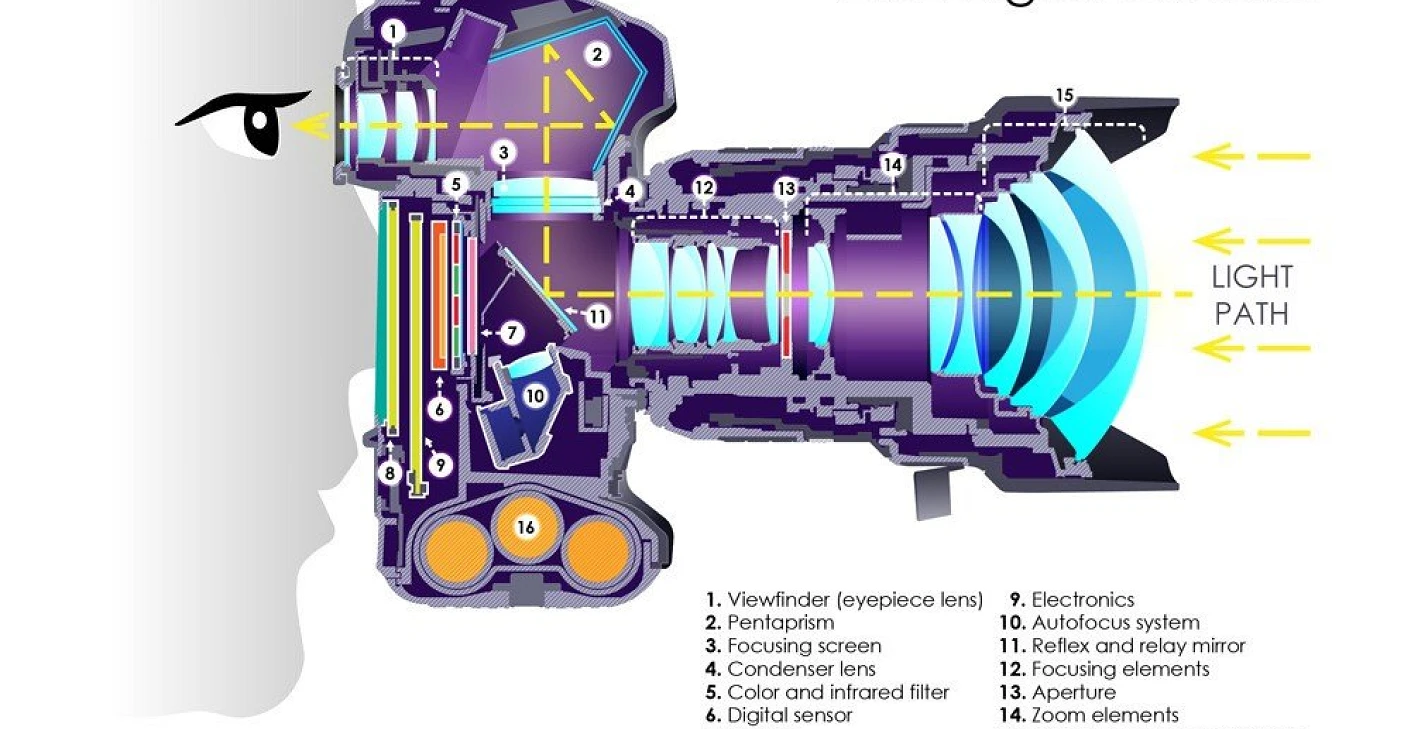
Once upon a time, if you wished to buy a digital electronic camera you’d have the choice of a compact, a bridge (a compact with a high-magnification zoom) or a DSLR. The step up to a DSLR was a big one, actually. DSLRs are much bigger than compacts not only due to the fact that they have much larger sensors, but because the seeing system that specifies them as DSLRs- a 45 ° mirror showing approximately a prism assembly and viewfinder eyepiece- uses up a lot of space.

Panasonic and Olympus were the first to realise that if you eliminated the DSLR’s optical watching assembly you might still have a large sensor, and interchangeable lenses, but the electronic camera could be much smaller sized, and the lenses could be smaller too. In 2008 Panasonic’s Lumix G1 was the first electronic camera with a DSLR sized sensing unit and interchangeable lenses to dispense with the mirror and prism, and switch the optical finder for an electronic one.

Compact System Cam (CSC) tends to be the most commonly accepted term for cams like this. MILC (Mirrorless Interchangeable Lens Electronic camera) or merely ILC, or simply “Mirrorless” are likewise used, along with “hybrid cams”. Whatever they’re called, every producer now has at least one such camera of its own, with an accompanying range of lenses, but the original aims of the first CSCs– to provide the image quality and interchangeable lenses of a DSLR, but in a smaller sized package– no longer necessarily use, as producers have actually plumped for a wide variety of various sensing unit sizes all the way approximately full-frame (35mm).

It’s most likely fair to say that today’s meaning of a CSC is a cam with interchangeable lenses however no mirror. Some have DSLR sensing units, some have smaller sized ones, some have electronic viewfinders, others have no viewfinder– just the LCD screen.

Here we provide a round-up of the various systems presently readily available, and what they have to use.

Why buy a compact system electronic cameras?

Compact System Cameras, or hybrid video cameras, are created for buyers looking for a video camera that provides lots of imaginative control, high image quality and the choice to attach various lenses, however who do not typically want the bulk of a DSLR. Some are almost as huge as a DSLR however provide a various user experience, due to the camera’s shape and style. Some utilize a smaller sensing unit, while we’re likewise progressively seeing terrific feats of design where the sensor is big, but the body remains little for the very best of both worlds.

Other aspects require to be taken into consideration too. Some CSCs use the contrast spot method of focusing, which is slower than the stage find technique utilized by DSLRs. This can make many CSCs normally less fit to action photography, though there are some exceptions– the Nikon 1 system is blisteringly fast, and a couple of CSCs have phase detect pixels constructed into the sensing unit.

Many CSCs have viewfinders, but some offer just an LCD screen, which can make them more difficult to use in intense sun. A few have the alternative of a clip-on EVF at extra cost. Of those with a viewfinder it will be electronic– the technology of which is rapidly enhancing every day and some offer extremely high resolutions.

Some video cameras with EVFs are styled like mini DSLRs, while others follow more of a rangefinder style. Neither is better, it’s down to personal taste. Finally, consider what other functions are necessary to you. What about video? All deal HD video but bit rates and compression options vary, and just a few offer an external mic input. Some also offer 4K video shooting. If you want Wi-Fi, the bright side is that it’s tough to find a current CSC design without it. Such a feature not just lets you release online straight from the camera however often likewise enables you to control the video camera remotely with a smart device.

Sensor sizes and image quality

As a really general guideline (and there are numerous significant exceptions), larger electronic cameras have larger sensors, which produce better quality images, so choosing a system entails first deciding how crucial image quality is compared with mobility and convenience. It’s now possible to find CSCs or hybrid electronic cameras with sensing units varying all the way up to full-frame (35mm). It ought to be mentioned that even the smallest video cameras can produce high quality images to at least A4 at the lower ISO settings, and it’s just when you go larger than that, crop greatly, or utilize high ISOs that the more knowledgeable, critical eye can discern the differences between the systems. So how do the sensing unit sizes vary between the electronic camera systems? This diagram (below) highlights the relative sizes of the sensors used by the various CSC manufacturers. The biggest, full-frame, is the one utilized in expert and high-end enthusiast DSLRs, while the second largest, APS-C, is the one used in many customer DSLRs. The Pentax Q7 uses a little sensor (1/1.7 in) frequently used in some higher-end compacts.

Posted on

The Digital single lens mirrorless camera (DSLM) purchase guide

The DSLM; for a couple of years it has been changing the photography market. What started out as a poor SLT attempt developed into a completely new and booming market? The market for DSLMs (D igital S ingle L ens M irrorless) or system cameras. These are now available for every budget and many manufacturers now have a mirrorless camera in their portfolio. But should you buy a mirrorless camera? Does it have any advantages over DSLRs ? That and much more is the content of this page and finally I will show you a few models that I would recommend.

What is a system camera / DSLM?

There are two types of system cameras, with and without mirrors. The system cameras with mirrors are called SLRs and those without are called mirrorless. Sounds logical, doesn’t it? The mirror in the DSLR is historical and comes from a time without image sensors. The system has been perfected over decades. But for a few years now, DSLMs have been picking up. Teething problems are being eradicated more and more and many photographers are seeing a new alternative that offers many advantages over the old DSLR cameras.

The mirrorless camera / DSLM in detail

Height and weight

Many see an enormous advantage here. The DSLM lacks the mirror and as you can see in the example above, this saves space and of course weight. That is why the mirrorless cameras are much smaller and lighter. But they are still bound by certain limits. They are not as small as compact cameras. This is simply not possible with interchangeable lenses and large sensors. But they are still smaller than the DSLRs and therefore more mobile and inconspicuous.

Lenses

This is a special feature of DSLMs that you should definitely not forget. Other lens connections are used that allow smaller lenses, but they are not that small. There are certain limits that are physically given and specify a certain size. If you only buy these cameras because you want something as small and portable as possible, you should look around for a bridge or compact camera .

Ergonomics

Ergonomics is probably the first thing anyone who is switching from a DSLR to a DSLM should notice. The manufacturers try to make this as similar as possible, but it is simply a different feeling that can seem strange, especially with long-term DSLR users. In direct comparison to an SLR camera, I find the DSLMs to get used to at first. They are just small and lie better in the hand of one than the other. In my opinion, many manufacturers simply have too many buttons on the small housing, which makes operation a challenge.

There is only one option here: try it out. I recommend that anyway before you buy a new camera. DSLM cameras come in different forms. Very large, such as the Sony A3 or Canon EOS R, but also very small such as the Sony A6000 or Canon EOS M50. Depending on the model, you have an electronic viewfinder or just the display to look at your pictures. In any case, try out what suits you and what suits your type of photography.

Electronic viewfinder

A DSLM or system camera takes photos with an electronic viewfinder or the display. This means that the viewfinder does not have a direct optical connection to the subject like the DSLR, but a display. It is like looking at the finished image through the viewfinder.

The electronic viewfinder offers several advantages:

  • Image preview: You get a direct idea of ​​your photo and actually see the finished image before you press the shutter release. If you now change the settings on your camera: for example , closing the aperture or increasing the ISO value , the image changes immediately and you can judge whether you like the photo or not. You can also see the picture in the viewfinder after you’ve taken it. So it’s a second display that works just like your large camera display. The advantage, however, is that you can use it without being distracted by the sun.
  • Exposure aids: Because our EVF is a display, we can use many aids that the optical viewfinder cannot offer us. We can show a histogram , use an overexposure warning and much more … You can see immediately if your camera is not doing something the way you want.
  • Manual focus: With manual focus, we can use the focus peaking to see where our focus is and even zoom into the image. A real help for manual focusing.
  • Much more: Since you can show almost everything in the displays, there are no limits to the manufacturers. Water cars, grids for image creation, image styles and much more is possible.

Now I’ve written so many great things about the electronic viewfinder that I would of course like to point out a few negative points. Because the electronic viewfinder naturally always has to be supplied with power. This should not be ignored with some models and some cameras have extreme problems with high power consumption and thus a short battery life. Also, for many photographers it is not pleasant to constantly look at a display (myself included). It’s a completely different feeling to actually see the subject instead of just being shown it. The cameras are getting better and better here, but sometimes they are lagging behind due to delayed display (the display is delayed compared to reality).

I would like to add one point for those who like to take photos at night (long exposure ). If you take a picture with the DSLR, you have the light intensity of your own eye available. With the DSLM, the display in the viewfinder depends on the power of the camera. That may not sound too bad, but there are a few moments when I would have wished for my DSLR…

If you are not sure which viewfinder is right for you, I recommend that you test both of them once and take a closer look. I find the DSLR to be much more pleasant, especially in series pictures and when photographing fast subjects, but something different suits everyone.

Autofocus

There are several options when focusing with a mirrorless camera (DSLM). You may be familiar with the first option from the DSLR. If you switch to live view here (i.e. using the display), the autofocus becomes significantly slower. This is because the camera is using the contrast AF. This simply shifts the focus until the image has the highest possible contrast has. This is very precise, but unfortunately a lot of time is lost in trying out and “pumping” the focus. That’s why there is still phase autofocus, which was reserved for DSLRs for a long time. Here, two sensors compare the light (phase) falling into the lens from different angles and thus know from the first measurement what needs to be changed on the lens to focus. Cool right?

Most modern DSLM cameras use a combination of these two methods in order to be able to focus both quickly and precisely. If you use a modern DSLM camera, you should make sure that it supports phase or hybrid autofocus.

Picture quality

We come to the last point, and in my opinion the most important point. The image quality. In terms of image quality, the system camera is in no way inferior to the SLR. Of course, not all cameras are the same here, but in most cases you don’t have to worry that you have something worse just because you are using a different system. Most cameras even have the same image sensors installed (Sony makes sensors for some Nikon cameras and Canon has installed the same sensor in the 5D4 & R and the 6D2 & Rp). There is only one real way you can be sure that the quality will meet your expectations. Test the camera 🙂

Choice of lenses

From my point of view, this is a major negative point. It is not the case with all manufacturers that the newer the manufacturer is in the DSLM market, the more likely it is that the choice of lenses is limited. For decades it took a long time to develop a wide variety of lenses for DSLR cameras. This has only just begun with DSLMs and although lenses are already on the market, one only starts with the most important ones at the beginning. One or the other special lens may not be found here yet. Of course there are adapters that allow the use of DSLR lenses, but I have made the experience that it often leads to problems (slow autofocus etc.).

There are always new lenses on the market, but keep in mind that you may not find everything here and that you have to expect limitations.

Is the mirrorless camera or system camera right for you?

This is of course a question that cannot be answered easily. I always recommend trying out the camera beforehand. But I would like to give you a little support along the way that should help you with your decision.

The DSLM is interesting for you if the following points apply:

  • You’re used to smaller cameras – that  was the first thing I didn’t like about the DSLM cameras. The size. Ok, I also come from the DSLR segment and am used to large cameras with battery handles. However, if you’ve been taking photos with a compact camera or mobile phone the whole time, then the size of the DSLM is perfect for you.
  • You can handle the digital viewfinder – the electronic viewfinder is not for everyone. Some have problems seeing everything on a display / digital viewfinder. If that is not a problem for you, then you can use the mirrorless camera.
  • You want to try something new – that was one of the reasons why I keep getting a DSLM for different jobs. It’s just fun to use a different camera. Maybe it fits better than the current one? Just keep in mind that you don’t need a new camera straight away because it can do one thing a little better than the current one.
  • Video – Yes, the site is actually called Learn Photography, but especially when it comes to video I would prefer the DSLM to the DSLR and any other camera. They’re small, they’re incredibly powerful, and you can’t beat the autofocus when filming.

Buy recommendations

Entry level DSLM

Canon EOS M50 * – Sony Alpha 5000 * – Olympus PEN E-PL9 * – Panasonic LUMIX G *

Advanced DSLM

Sony Alpha 6300 * – Olympus OM-D E-M10 Mark II *

Professional DSLM with full format sensor

Canon EOS R * – Nikon Z6 * – Sony A7 III *

Otherwise, make sure that you try your camera before buying and that you do not justify the purchase with the one feature that the new camera can do better. You take the photos and not your camera 🙂

Posted on

Used Fujifilm Lenses That Pair Perfectly With the X-T4

Discover the best used Fujifilm XF lenses that perfectly complement the X-T4. From portraits to landscapes, explore top-value glass for every shooting style in 2025..

Used Fujifilm Lenses That Pair Perfectly with the X-T4

The Fuji X-T4 is a powerhouse mirrorless camera—renowned for its in-body image stabilization (IBIS), excellent autofocus, and stunning color science. One of its biggest strengths, though, is the rich ecosystem of Fuji’s XF lenses, known for delivering exceptional image quality and compact reliability. A savvy move in 2025 is to explore the used market. You’ll find sharp, well-crafted XF glass at significantly lower prices. Here are some standout options that not only complement the X-T4’s strengths but also offer amazing value.


1. Fujinon XF 56mm f/1.2 R

The “portrait lens” for Fujifilm shooters, this lens excels at flattering compression, smooth bokeh, and beautiful rendering—perfect for headshots and subject isolation.

  • Pairing with X-T4: The camera’s IBIS and fast AF make shooting at f/1.2 sharp and user-friendly.
  • Why Buy Used: Ruggedly built and prized, used copies often retain high performance while costing significantly less.

2. Fujinon XF 16-55mm f/2.8 R LM WR

This pro-grade zoom spans useful focal lengths with a constant f/2.8 aperture, excellent sharpness, and weather resistance.

  • Pairing with X-T4: IBIS complements the lack of lens stabilization and enhances flexibility for handheld shooting.
  • Why Buy Used: L-series lenses hold value well; even used copies offer the same impressive capabilities at reduced cost.

3. Fujinon XF 10-24mm f/4 R OIS WR

An essential tool for landscape, architecture, and sweeping video—this ultra-wide zoom includes optical stabilization to complement IBIS.

  • Pairing with X-T4: IBIS and OIS sync beautifully for ultra-smooth handheld footage.
  • Why Buy Used: Great availability in excellent condition, with sellers offering warranties makes this a smart value pick.

4. Fujinon XF 56mm f/1.2 R APD

A specialty variant of the trusty 56mm—this APD filter delivers extra creamy bokeh and unique rendering.

  • Pairing with X-T4: Perfect for artists, journaling, or wedding work where dreamy defocused highlights elevate storytelling.
  • Why Buy Used: Harder to find new; used units can become affordable artifacts in a carefully curated kit.

5. Fujinon XF 50-140mm f/2.8 R LM OIS WR

A favorite for portraits, events, sports, and wildlife, this fast telephoto zoom offers pro-level reach with image stabilization.

  • Pairing with X-T4: The combination of OIS in the lens and IBIS in-body delivers enviable stability for sharp, handheld shooting.
  • Why Buy Used: Still excellent optically; you can commonly save hundreds versus new retail.

6. Fujinon XF 23mm f/2 R WR

Compact, lightweight, and sharp, this 35mm equivalent prime is a beloved everyday lens for street photography.

  • Pairing with X-T4: A great ‘compact setup’ with fast operation—excellent for video, travel, and documentary shooting.
  • Why Buy Used: Rugged but affordable; ideal for budget-conscious creators or backup kit.

7. Fujinon XF 16mm f/1.4 R WR

Built for wide-angle versatility in low light, this lens delivers stellar sharpness, distinctive rendering, and a fast aperture.

  • Pairing with X-T4: Combine f/1.4 low-light performance with IBIS for exceptional street and astrophotography.
  • Why Buy Used: Still very much in demand—used copies save you money while giving all the creative benefits.

8. Fujinon XF 18-55mm f/2.8-4 R LM OIS

The classic “kit zoom”—compact, stabilized, and surprisingly sharp for its size and price.

  • Pairing with X-T4: Fantastic for video creators looking for an affordable walkaround setup.
  • Why Buy Used: Often overlooked, but this lens delivers excellent performance—especially suited for backups or lightweight kits.

9. Fujinon XF 90mm f/2 R LM WR

A short telephoto prime with beautiful bokeh, superb sharpness, and weather sealing.

  • Pairing with X-T4: Great for portraits, candid events, or detail work. IBIS supports precise hand-held shooting at longer focal lengths.
  • Why Buy Used: Hard to justify full-price for many—but a lightly used copy delivers elite optics affordably.

Why the Used Market Pays Off for X-T4 Shooters

  • Cost Efficiency: Many high-performing XF lenses are 25-50% cheaper used—even with seller-provided testing and grading.
  • IBIS Compatibility: The X-T4’s stabilization effectively extends usability for lens designs that don’t include OIS.
  • Optical Durability: Refined, metal-built XF lenses endure years, and tested-used copies handle reliably.
  • Growing Demand & Availability: X-T4’s popularity ensures steady flow of well-kept used XF glass from enthusiasts upgrading or changing systems.

Tips for Buying Used XF Lenses

  1. Buy from trusted dealers offering return windows and cosmetic/optical grading.
  2. Check front/rear elements for scratches, haze, or fungus.
  3. Test autofocus with paired body—for X-T4, check linear motor responsiveness.
  4. Note firmware compatibility between lens and body—update if needed.
  5. Compare prices across listings—high-quality used lenses can vary significantly by source.

Final Takeaway

If you’re outfitting your Fuji X-T4 on a budget, the used XF lens market delivers premium choice at exceptional value. Whether you’re a portrait shooter chasing creamy bokeh, or a YouTuber capturing stable motion, the lenses outlined above bring proven optical quality—and the X-T4’s stabilization—into a modern, budget-friendly kit.

Posted on

Customer Stories: Incredible Shots Taken With Our Used Lenses

Discover how photographers create stunning images using pre-owned lenses. Read inspiring customer stories showcasing incredible shots taken with affordable, high-quality used lenses from our collection.

Customer Stories: Incredible Shots Taken With Our Used Lenses

Photography is all about capturing a moment, telling a story, and seeing the world through a unique lens—literally. While many photographers dream of owning the latest and greatest gear, the truth is that you don’t need brand-new equipment to create stunning images. Some of the most breathtaking photos are taken with used lenses, proving that creativity and vision matter more than the age of your gear.

At [Your Camera Store Name], we’ve had countless customers share their amazing work captured using pre-owned lenses they purchased from us. These stories highlight not just the savings they enjoyed but also the incredible image quality and artistic potential of used glass. In this article, we’ll showcase inspiring customer stories and the used lenses behind their remarkable shots.


1. A Wildlife Photographer’s Dream Shot – Nikon 300mm f/4D AF-S

Mark, an avid wildlife photographer, had always wanted a super-telephoto lens but couldn’t justify the price of a brand-new model. After browsing our used inventory, he found a Nikon 300mm f/4D AF-S IF-ED lens in excellent condition.

Armed with his trusty Nikon D750 and the newly purchased used lens, Mark ventured to a nearby nature reserve. He captured a jaw-dropping image of a soaring bald eagle against a crystal-blue sky. The image was sharp, the background beautifully compressed, and the colors vibrant. Mark was thrilled with how the used lens delivered pro-level results at a fraction of the cost.

Mark’s Lesson: Don’t underestimate older professional-grade lenses. When well cared for, they’re capable of delivering spectacular wildlife images.


2. Street Photography Magic with a Canon EF 50mm f/1.4 USM

Samantha, a street photographer from Manila, always loved the classic look of 50mm lenses but didn’t want to splurge on Canon’s L-series prime. She picked up a used Canon EF 50mm f/1.4 USM from our store for half the retail price.

Using her Canon EOS 6D, Samantha roamed the city’s vibrant streets, capturing candid portraits and daily life scenes. One of her favorite shots is a portrait of an elderly vendor surrounded by colorful fruits, with the lens producing dreamy bokeh that made the subject pop. The image was later featured in a local exhibit about urban life.

Samantha’s Takeaway: Affordable primes from the used market can become your go-to lenses for creative street photography.


3. Vintage Lens, Modern Camera – Sony A7 III with a Minolta Rokkor 58mm f/1.2

James, a portrait photographer, loves experimenting with vintage lenses. He found a Minolta Rokkor 58mm f/1.2 in our vintage collection and paired it with his Sony A7 III using a simple adapter.

The lens, known for its dreamy rendering and unique character, helped James produce portraits with ethereal bokeh and soft highlights that modern lenses sometimes lack. His series of creative portraits using this lens gained traction on social media, with many people asking how he achieved the “film-like” look.

James’ Advice: Don’t be afraid to explore vintage lenses. They offer unique image qualities that can set your work apart.


4. Landscape Wonders with a Sigma 10-20mm f/4-5.6 EX DC HSM

Lucy, a travel and landscape photographer, was on a budget for her next hiking trip to New Zealand. She needed a wide-angle lens for her Canon 80D but didn’t want to overspend. After some research, she opted for a used Sigma 10-20mm f/4-5.6 lens.

The lens exceeded her expectations, allowing her to capture sweeping landscapes, towering mountains, and serene lakes. One of her photos, showcasing a mirror-like lake reflection of snow-capped peaks, was shortlisted in a national photography competition.

Lucy’s Realization: A good used ultra-wide lens can dramatically enhance landscape photography without draining your wallet.


5. Macro Photography on a Budget – Tamron 90mm f/2.8 Macro

Alex, an amateur macro photographer, had long admired close-up shots of insects and flowers but found macro lenses out of his budget. He discovered a used Tamron 90mm f/2.8 Macro lens listed as “Very Good” condition in our store.

With a bit of patience and experimentation, Alex captured incredible close-up images of bees pollinating flowers in his backyard. The level of detail—the fine textures of petals and the delicate hairs on the insects—was stunning. Alex’s work was later featured on a popular macro photography blog.

Alex’s Insight: A second-hand macro lens can open up an entirely new world of photography at a very reasonable price.


6. Wedding Storytelling with a Used Canon 24-70mm f/2.8L II USM

Emma, an up-and-coming wedding photographer, needed a versatile zoom lens but couldn’t afford a brand-new Canon L-series zoom. She invested in a used Canon 24-70mm f/2.8L II USM, which was rated in “Excellent” condition.

That lens became her workhorse for an entire wedding season, capturing everything from wide group shots to intimate candid moments. One of her favorite images was a spontaneous dance floor shot, where the fast aperture and reliable autofocus ensured she nailed the moment perfectly.

Emma’s Conclusion: Buying a used professional zoom lens can be a game-changer for photographers breaking into the event industry.


7. Urban Nightscapes with a Nikon 20mm f/2.8 AF-D

Carlos, an architectural and nightscape enthusiast, found a used Nikon 20mm f/2.8 AF-D lens in our inventory. He wanted a compact wide-angle lens to pair with his Nikon D750 for shooting cityscapes at night.

During a weekend trip to Tokyo, Carlos captured vibrant images of neon-lit streets and towering skyscrapers. The lens’s compact design made it ideal for handheld night shooting, and its sharpness wide open surprised him.

Carlos’ Verdict: Older wide-angle primes are a fantastic budget-friendly option for urban night photography.


8. Sports Action with a Sigma 70-200mm f/2.8 EX DG OS HSM

Mike, a sports photographer covering local football matches, needed a fast telephoto zoom but didn’t want to invest in a new lens. He scored a great deal on a used Sigma 70-200mm f/2.8 EX DG OS HSM.

Despite being a few years old, the lens delivered sharp, vibrant action shots. Its fast autofocus and stabilization allowed him to capture intense moments on the field with precision. One of his images of a decisive goal was later published in a regional sports magazine.

Mike’s Key Takeaway: Used third-party telephoto lenses offer excellent performance for action and sports photography without the hefty price tag.


Why These Stories Matter

These real-world examples prove a simple yet powerful point: It’s not always about having the newest gear—it’s about knowing how to use it. Used lenses can deliver professional-quality results when carefully selected and well maintained. Many photographers build their kits strategically by purchasing high-quality used lenses, maximizing their creative flexibility while staying within budget.

Whether you’re a beginner looking for your first prime lens, a pro seeking to add specialized optics, or an enthusiast experimenting with vintage glass, the used lens market is filled with opportunities to unlock your creative potential.


Conclusion

Behind every used lens is a story waiting to be told—whether it’s a sweeping landscape, a fleeting candid moment, or a meticulously crafted portrait. The photographers featured here are living proof that buying used gear doesn’t limit creativity. In fact, it can empower photographers to explore new genres, refine their skills, and capture stunning images without financial strain.

At [Your Camera Store Name], we take pride in the quality of the used lenses we offer, ensuring every piece is thoroughly inspected, tested, and graded for performance. But in the end, it’s the hands and vision of photographers like you that bring these lenses to life.

Posted on

Why Buying Used Lenses Is a Smart Choice for Photographers

Discover why buying used camera lenses is a smart investment for photographers. Learn how pre-owned lenses offer professional quality, significant savings, and long-term value, plus tips for buying used gear safely.

Why Buying Used Lenses Is a Smart Investment for Photographers

Photography, often hailed as the art of capturing life’s fleeting moments, is a hobby and profession that can quickly become expensive. From high-end camera bodies to premium lenses and essential accessories, the costs add up fast. For many photographers, especially those starting out or working on a tight budget, the price of new equipment can feel like a significant barrier. However, there’s one strategy that seasoned photographers consistently use to expand their gear collection affordably: buying used lenses.

While some may feel uncertain about purchasing pre-owned gear, the truth is that buying used lenses is often a smart, practical, and financially sound decision. In fact, many professionals rely on used lenses to build a versatile kit without sacrificing quality. In this article, we’ll explore why buying used lenses is a wise investment, how it benefits photographers at every level, and what steps to take to ensure a successful purchase.


1. Save Money Without Compromising Quality

The most immediate and compelling reason to consider buying used lenses is cost savings. New lenses, especially professional-grade models with wide apertures or specialized optics, can be incredibly expensive. For example, a brand-new Canon RF 70-200mm f/2.8 lens can cost upwards of $2,500. However, purchasing the same lens in excellent used condition can save you hundreds of dollars, often reducing the price by 20% to 40%.

Unlike camera bodies, which are frequently updated with new sensors and features, lens designs evolve slowly. A lens that was top-tier five or even ten years ago may still perform exceptionally well today. This means photographers can access high-quality glass at a fraction of the original retail price simply by buying used.


2. Lenses Are Durable and Long-Lasting

One of the key reasons buying used lenses is less risky than it may seem is that lenses are built to last. High-quality lenses are constructed with robust materials, including metal barrels, durable mounts, and weather-sealing that protects against dust and moisture. If cared for properly, lenses can function flawlessly for decades.

Unlike camera bodies, which have moving parts like shutters and are more prone to wear and tear, lenses have relatively few components that degrade over time. Optical elements don’t “expire.” As long as a lens has been well-maintained—kept dry, cleaned regularly, and not subjected to physical damage—it can continue to deliver excellent image quality.


3. Slower Depreciation Compared to Camera Bodies

Camera technology advances rapidly, with new models offering higher resolutions, faster processors, and better autofocus systems every year. This constant innovation leads to rapid depreciation in camera body values. Lenses, however, depreciate much more slowly. A well-maintained lens can retain a high resale value for years.

This slower depreciation makes lenses a safer investment. In many cases, photographers who purchase a used lens at a fair price can resell it years later with minimal loss in value. In some situations, particularly with rare or discontinued lenses, the resale value may even increase.


4. Access to Discontinued and Vintage Lenses

Buying used isn’t just about saving money—it’s also about access to unique lenses that are no longer in production. Many classic lenses offer distinctive optical characteristics, such as unique bokeh, flare patterns, or color rendering, that newer models lack. For example, photographers often seek out vintage manual-focus lenses like the Canon FD 50mm f/1.4 or Nikon’s AI-S primes to achieve a particular look.

Additionally, certain specialty lenses, like tilt-shift or ultra-wide options, may be discontinued but still highly functional and sought after. The used market becomes the only place to find these hidden gems, allowing photographers to experiment with creative tools that aren’t available new.


5. Expand Your Gear Collection Affordably

Building a versatile photography kit requires a variety of lenses—wide-angle, standard, telephoto, macro, and possibly more. Buying all these lenses new is often cost-prohibitive for many photographers. However, purchasing used lenses allows photographers to expand their kit significantly within the same budget.

For instance, the cost of a new professional zoom lens might equal the combined price of a used prime lens, a used macro lens, and a used telephoto zoom. This expanded kit enables photographers to explore diverse shooting scenarios and genres without financial strain.


6. Lenses Are Less Affected by Technological Obsolescence

Unlike camera bodies, which become outdated as sensor technology evolves, lenses remain relevant for much longer. A lens with high-quality optics, fast autofocus, and robust build will perform well across multiple generations of camera bodies.

Additionally, manufacturers often maintain backward compatibility. Nikon’s F-mount lenses, for example, have been compatible with various camera bodies for decades. Canon EF lenses can be adapted for mirrorless RF-mount cameras with no loss in functionality. This long-term relevance makes used lenses a safe investment for future-proofing your kit.


7. Environmental Sustainability

In a time when sustainability is becoming an increasingly important consideration, buying used gear is an environmentally friendly choice. Purchasing pre-owned lenses reduces demand for new manufacturing, which in turn conserves raw materials and lowers the carbon footprint associated with production and shipping.

By participating in the circular economy, photographers who buy used lenses help extend the life of products that might otherwise go to waste, making a positive environmental impact.


8. Plenty of “Like-New” Lenses on the Market

It’s a misconception that the used market is full of worn-out, heavily used gear. In reality, many used lenses are sold in near-mint condition. Photographers often upgrade to newer models, switch camera systems, or simply sell lenses they rarely used. These lightly used lenses offer the same performance as brand-new ones, often with only minor cosmetic wear.

Reputable camera stores, certified pre-owned programs, and peer-to-peer marketplaces with strong buyer protection policies make it easy to find high-quality used lenses with confidence. Many sellers also offer return windows or limited warranties for additional peace of mind.


Tips for Buying Used Lenses Safely

While buying used lenses is a smart move, it’s essential to approach the process with caution. Here are a few tips to ensure a safe and worthwhile purchase:

  1. Inspect Carefully: Look for scratches on lens elements, check for internal dust, fungus, or haze, and ensure zoom and focus rings move smoothly.
  2. Test Autofocus and Aperture Blades: Make sure autofocus is responsive and aperture blades are free of oil and snap open and closed correctly.
  3. Buy from Reputable Sellers: Trusted camera stores, certified pre-owned programs (like those from B&H, KEH, or Adorama), and marketplaces with strong buyer protections (e.g., eBay with buyer guarantees) are good options.
  4. Check Return and Warranty Policies: A return policy allows you to thoroughly test the lens after purchase, while warranties provide long-term protection.
  5. Do Market Research: Compare prices across multiple platforms to ensure you’re paying a fair price based on the lens’s age and condition.

Conclusion

For photographers looking to expand their gear collection without stretching their finances, buying used lenses is a smart, practical choice. High-quality lenses are built to last, depreciate slowly, and can deliver professional results for years to come. Moreover, the used market often provides access to rare, discontinued, or vintage lenses that add unique creative tools to your photography kit.

By making informed purchasing decisions and buying from reliable sources, photographers at every level—from hobbyists to professionals—can benefit tremendously from the value, versatility, and sustainability that used lenses offer. It’s a strategy that not only saves money but also empowers photographers to grow their skills and express their creativity fully.

Posted on

Is a Compact SLR Good For You?

What does SLR stand for? A single -lens reflex cam (SLR) is a cam that typically utilizes a mirror and prism system (thus “reflex” from the mirror’s reflection) that allows the photographer to see through the lens and see exactly what will be caught.

Compact SLR’s, like normal DSLRs, they accept a wide variety of various lenses – from fast and brilliant ultra-wide lenses cramming in loads of information, to far-reaching telephotos that bring your world more detailed – and use a higher platform for creativity.

While DSLRs contain a mirror and prism system- making them big and heavy- compact SLR webcams are smaller sized and for that reason simple to bring about. Compared to point-and-shoot digital electronic cameras, all DSLRs are a bit on the chunky side. Some are more compact than others, particularly the Four Thirds models from Olympus and Panasonic are compact. Some models, particularly those with professional designs with large battery packs and vertical grips, border on the huge. Before you put down a large portion of modification for a digital cam, play with it to ensure it’s a size that you’ll be comfortable lugging around with you. The difference in weight alone can be significant if you’re walking around throughout the day with an electronic camera strap around your neck. If you’re the sort of professional photographer who would have enjoyed with a small, lightweight, virtually silent Leica rangefinder camera (which nevertheless produced exceptional images), you might also prefer a smaller DSLR’s. Heck, you may even want the Leica M9 or perhaps a Leica M10, a non-DSLR that looks and handles like a rangefinder film camera, however,produces 18 MP digital images (and might be costly, plus more for lenses). Because vein, do not forget to take into consideration the size of the lenses you’ll be using, too. My preferred digital SLR has a 28mm-200mm zoom lens that was promoted, on introduction, as the tiniest worldwide. I’m extremely happy I have that compact lens with such an extensive zoom variety, due to the fact that for lots of image trips, it’s all I need, and I can avoid carrying around a weighty video camera bag and a half dozen other lenses. I really went to Europe several years ago bring only that 28-200mm lens and a 17-24mm wide-angle zoom, and two DSLR bodies. My whole kit fit into a compact shoulder bag that was simple to lug with me all over I went. If you need a compact digital SLR, check out the size and weight of the lenses you are most likely to use at the same time you examine the heft of the camera body itself.

What Other Features Do You Need?

As soon as you have actually chosen your “must have” functions for your digital camera, you can also deal with those bonus offer features that are nice to have, but not essential. All digital SLRs share a long list of typical features, such as Manual, Aperture-priority, and Shutter-priority exposure modes. All have fantastic autofocus abilities. Lots of (however not all) have integrated flash systems that combine with the exposure system, and which can manage external, off camera flash units also (specifically beneficial when using several systems). Beyond this standard shopping list, you’ll find abilities offered in one SLR that are not discovered in others. You’ll need to choose just how crucial they are to you as you weigh which system to buy. Here are a few of the functions that vary the most from video camera to video camera.

■ Film making. The trend today is towards complete 1920 × 1080 HDTV moviemaking abilities. Nevertheless, a few non-video-capable designs remain on the market. And not all of the existing video cameras have the very same movie-friendly abilities. If video shooting is necessary to you, make sure your electronic camera has the capability to plug in a microphone, ideally a stereo microphone. In-camera editing includes let you cut, clips that run too long, reducing the editing procedure later on.

 Burst mode capabilities. If you shoot lots of sports, you’ll desire the ability to shoot as many frames per second as possible for as long as possible. Some video cameras shoot more frames per 2nd, and others have bigger buffers to let you catch more shots in one burst. For instance, one model grabs 4 fps for 32 JPEG images in one burst, or 11 RAW images. Another camera from the very same vendor ups the ante to 5 fps, but can record only 23 JPEG images in one blast. If you’ve got deep pockets, one top-of-the-line action SLR blazes through sports photography at a 10 fps clip for 100 or more images.

■ Image stabilization/dust removal. Some SLRs might have vibration reduction built into the video camera. Other suppliers ask you to buy image-stabilized lenses, or may not have that ability at all. If you want to hand-hold your video camera at low shutter speeds, or require to take rock-steady telephoto shots without a tripod, despite shutter speed, you’ll wish to consider this ability. Electronic cameras that have internal anti-shake capabilities often use the capability to move the sensing unit rapidly to supply an anti-dust removal system. You’ll likewise discover dust cleaning capabilities in essentially all digital electronic cameras these days.