Posted on

Affordable Used Nikon DX Lenses for APS-C Cameras

Discover the best affordable used Nikon DX lenses for APS-C cameras in 2025. From versatile zooms to sharp primes and macro options, explore top-value lenses perfect for beginners, hobbyists, and budget-conscious photographers.

Affordable Used Nikon DX Lenses for APS‑C Cameras

If you own a Nikon APS‑C (DX) camera, finding high-quality, affordable lenses is key to expanding your capabilities without breaking the bank. The used market is a goldmine of options that deliver excellent performance and tremendous value. Here are nine standout used Nikon DX lenses worth considering in 2025:


1. Nikon AF‑S DX 35 mm f/1.8G

A favorite among DX shooters, this fast prime offers a natural field of view (about 52.5 mm equivalent) and excels in low light. Lightweight, sharp, and affordable, it’s widely cited as the best value lens for DX users.
Why used? You can often find excellent-condition copies for around $110 with hardly any compromises.
WikipediaShotkitPhoto Image PlanetAmateur Photographer


2. Nikon AF‑S 16–85 mm f/3.5–5.6G ED VR

This versatile zoom spans wide-angle to short telephoto (24–128 mm equivalent) with stabilization and solid optics.
Why used? Prices now hover around $120–$360, making it one of the best all-in-one used options.
LensvanaAmateur Photographerkeepsnap.com


3. Nikon AF‑S 16–80 mm f/2.8–4E ED VR

A premium standard zoom featuring a bright aperture and smooth stabilization. On the used market, it’s only marginally more expensive than the 16–85 mm.
Why used? You get better low-light performance without a big price jump—great for serious DX shooters.
Amateur PhotographerLensvana


4. Nikon AF‑S 18–105 mm f/3.5–5.6G ED VR

A compact super-zoom often found bundled with mid-range DSLRs. Offers a practical focal range and VR to steady handheld shots.
Why used? Versatile for everyday use and often very affordable.
ExpertPhotographyWikipedia


5. Nikon AF‑S 18–140 mm f/3.5–5.6G ED VR

A step up in range from the 18–105 mm, this zoom covers more ground—up to 210 mm equivalent—and includes VR.
Why used? Popular among travelers and vloggers who want reach without lens swapping.
Wikipedia


6. Nikon AF‑S DX 40 mm f/2.8G Micro

A compact true macro prime offering 1:1 magnification—rare in dieting gear. Useful for close-ups, product shots, and even general-use.
Why used? Excellent value for detail-oriented shooters needing macro capabilities.
Wex Photo Video


7. Nikon AF‑P 70–300 mm f/4.5‑6.3G ED VR (DX)

An affordable telephoto offering great reach with fast, accurate AF and VR—perfect for wildlife or sports on a budget.
Why used? Excellent performance and accessible pricing—often found for under $200.
Lensvana


8. Tamron and Sigma Third-Party Zooms (for DX)

  • Tamron SP 17–50 mm f/2.8 XR Di II (older models, some with VC): Bright zoom under $100 used.
  • Sigma 17–50 mm f/2.8 EX DC OS HSM: Great sharpness and optical stabilization around $180 used.
  • Nikon 17–55 mm f/2.8G IF‑ED: Nikon’s prosumer version—still remarkably good, about $350 used.
    Why used? Excellent image quality and more affordable alternatives to OEM glass.
    Lensvana

9. Vintage Primes — Nikon AF‑D 24 mm f/2.8 & 50 mm f/1.8D

Not DX-specific, but these FX primes offer strong performance on DX bodies. Often found for low price and deliver clean optics and unique rendering.
Why used? Learning-friendly primes that double as FX-ready if you upgrade bodies in the future.
WIRED


** From the Community: Real-World Endorsements**

A Nikon user raved about the value of the DX 35 mm f/1.8G:

“It’s unquestionably the best value per dollar available for a DX camera… about $110 used in perfect shape.”
Reddit

Another echoed the DX kit zoom’s practicality:

“Weighs nothing, fairly sharp. I’ve got nothing against printing shots from it. Ideal backpacking lens.”
Reddit


Tips for Buying Used DX Lenses

  1. Buy from trusted sellers offering ratings, return policies, or short warranties.
  2. Check lens condition—lens glass is key. Check for scratches, haze, and smooth operation.
  3. Test image stabilization and autofocus if possible. VR and AF can make or break usability.
  4. Compare prices across dealers and marketplaces—used markets fluctuate fast.

Conclusion

The Nikon DX lens ecosystem shines when you include affordable used options. Whether you’re seeking a fast prime like the 35 mm f/1.8G, a versatile zoom like the 16–85 mm VR, or a macro like the 40 mm f/2.8G, you can equip your APS‑C system with capable glass without overspending.

Each of these lenses delivers excellent performance for walkers, hobbyists, creators, or beginners—paired with smart used shopping habits, building a killer DX kit has never been more accessible.

Posted on

Crop Sensor vs Full Frame: How It Affects Lens Choice

Wondering how crop sensors and full-frame cameras affect lens choice? Learn how sensor size impacts focal length, depth of field, compatibility, and which lenses are best for your photography needs.

Crop Sensor vs Full Frame: How It Affects Lens Choice

One of the most debated topics among photographers, especially those building or upgrading their camera gear, is the difference between crop sensor (APS-C) and full-frame cameras. While much has been said about image quality, dynamic range, and low-light performance, there’s another crucial factor that often gets overlooked: how sensor size affects lens choice.

Choosing the right lenses depends not just on focal length numbers but on how those numbers interact with the camera’s sensor size. Understanding this relationship is essential for making informed purchasing decisions, especially if you’re considering investing in used lenses.

In this article, we’ll break down the differences between crop sensors and full-frame cameras, explain how sensor size influences lens selection, and guide you on choosing the right lenses for your camera system.


Understanding Sensor Sizes: Crop Sensor vs Full Frame

Full-Frame Sensors

  • Equivalent to the traditional 35mm film frame size (36mm x 24mm).
  • Common in professional-grade DSLRs and mirrorless cameras (e.g., Canon R5, Nikon Z7, Sony A7 series).
  • Known for better dynamic range, low-light performance, and shallower depth of field.

Crop Sensors (APS-C)

  • Smaller sensors typically measuring around 22mm x 15mm.
  • Found in many consumer and enthusiast-level cameras (e.g., Canon EOS R7, Nikon Z50, Fujifilm X-T5).
  • Introduces a “crop factor” that magnifies the effective focal length of attached lenses.

Crop Factor Explained

The crop factor (typically 1.5x for Nikon/Fuji/Sony APS-C and 1.6x for Canon APS-C) refers to how much the field of view is reduced compared to a full-frame camera.

  • A 50mm lens on a full-frame camera gives a true 50mm field of view.
  • On an APS-C camera with a 1.5x crop factor, that same lens behaves like a 75mm lens in terms of framing.

How Sensor Size Affects Lens Choice

1. Focal Length Considerations

  • Wide-Angle Lenses: On a crop sensor, wide-angle lenses become less wide.
    • Example: A 24mm lens on a 1.5x APS-C camera gives a 36mm equivalent field of view.
    • For true wide-angle shots on APS-C, you’ll need lenses designed specifically for crop sensors or ultra-wide focal lengths.
  • Standard Lenses: The classic 50mm “nifty fifty” becomes a short telephoto (~75mm on APS-C), making it great for portraits but not for general-purpose use.
  • Telephoto Lenses: The crop factor can be beneficial here. A 200mm lens effectively becomes a 300mm equivalent on a 1.5x crop sensor, providing extra reach—ideal for wildlife and sports photography.

2. Lens Mount Compatibility

Most camera brands produce lenses specifically designed for their crop-sensor bodies:

  • Canon EF-S lenses (APS-C) are incompatible with full-frame EF mount cameras.
  • Nikon DX lenses (APS-C) can be mounted on full-frame FX bodies, but the camera will switch to a crop mode, reducing resolution.
  • Sony E-mount lenses come in APS-C (E) and full-frame (FE) variants.
  • Fujifilm X-Mount is exclusively APS-C; no full-frame cameras exist in Fuji’s X series.

If you plan to upgrade to a full-frame body in the future, investing in full-frame-compatible lenses now can save money long term.


3. Depth of Field Differences

Full-frame sensors naturally produce a shallower depth of field than crop sensors at the same aperture and framing.

  • A 50mm f/1.8 lens on a full-frame body will give creamier background blur than the same lens on an APS-C body.
  • To achieve similar background blur on APS-C, you’ll need to use wider apertures or longer focal lengths.

This depth of field difference is critical for portrait photographers who seek that smooth, creamy bokeh.


4. Lens Image Circle

Lenses are designed to project an image circle large enough to cover the sensor.

  • Full-frame lenses project a larger image circle to cover the entire full-frame sensor.
  • Crop sensor lenses (e.g., EF-S, DX) project a smaller image circle suited for APS-C sensors.
  • Mounting an APS-C lens on a full-frame body (when physically possible) often results in vignetting (dark edges) or the camera defaulting to a crop mode.

5. Size, Weight, and Cost of Lenses

Crop sensor lenses are generally smaller, lighter, and more affordable than their full-frame counterparts.

  • Travel & Street Photography: APS-C cameras paired with compact lenses are easier to carry around.
  • Full-frame Lenses: Offer superior optical performance but are often larger, heavier, and more expensive.

If portability is a priority, crop sensor systems with dedicated lenses are a smart choice.


Lens Buying Tips for Crop Sensor Users

  • Look for Lenses Designed for APS-C: Brands like Sigma and Tamron offer excellent APS-C-specific lenses that are sharp, compact, and budget-friendly.
  • Ultra-Wide Needs? APS-C users seeking wide-angle shots should consider lenses in the 10-20mm range to compensate for the crop factor.
  • Prime Lenses: Consider 35mm primes for a “normal” field of view (~50mm equivalent on APS-C).
  • Think About Future Upgrades: If you’re eyeing a future full-frame upgrade, investing in full-frame lenses might be worthwhile even on a crop sensor body.

Lens Buying Tips for Full-Frame Users

  • Choose Lenses That Maximize Full-Frame Potential: Don’t settle for APS-C lenses if you’ve invested in a full-frame body.
  • Wide-Angle Advantage: Full-frame bodies give you true wide-angle views with lenses like 16-35mm or 24mm primes.
  • Size and Weight Trade-offs: Be prepared for larger and heavier lenses, especially with zooms and fast-aperture primes.
  • High-Resolution Benefits: Full-frame sensors pair well with high-quality glass, enabling you to fully exploit high megapixel counts.

Using Full-Frame Lenses on Crop Sensors: Good Idea?

It’s common for APS-C users to buy full-frame lenses to “future-proof” their investment. While this works, there are considerations:

  • You lose the wide-angle field of view advantage.
  • Larger size may feel unbalanced on smaller APS-C bodies.
  • You’re carrying extra glass you’re not fully using.

However, if image quality is your priority, high-end full-frame lenses will often outperform APS-C-only lenses even on crop bodies.


Crop Sensor vs Full Frame: Who Should Choose What?

Choose Crop Sensor If:

  • You’re budget-conscious.
  • You prioritize portability and lightweight gear.
  • You often shoot wildlife, sports, or telephoto subjects where extra reach is beneficial.
  • You prefer a compact system for travel or street photography.

Choose Full Frame If:

  • You want the best image quality in dynamic range, depth of field, and low-light performance.
  • You shoot landscapes, portraits, or commercial work where detail and image quality are critical.
  • You don’t mind larger, heavier equipment.
  • You’re investing in a long-term, professional-grade system.

Conclusion

Understanding how crop sensor and full-frame cameras affect lens choice is vital for photographers who want to maximize image quality, usability, and value. Sensor size impacts everything from focal length perception and depth of field to lens size, compatibility, and future-proofing.

If you’re shopping for lenses, whether new or used, always consider how the lens will behave on your specific camera body. By understanding crop factors, mount compatibility, and optical characteristics, you’ll make smarter lens investments that serve your photographic needs now—and in the future.

Posted on

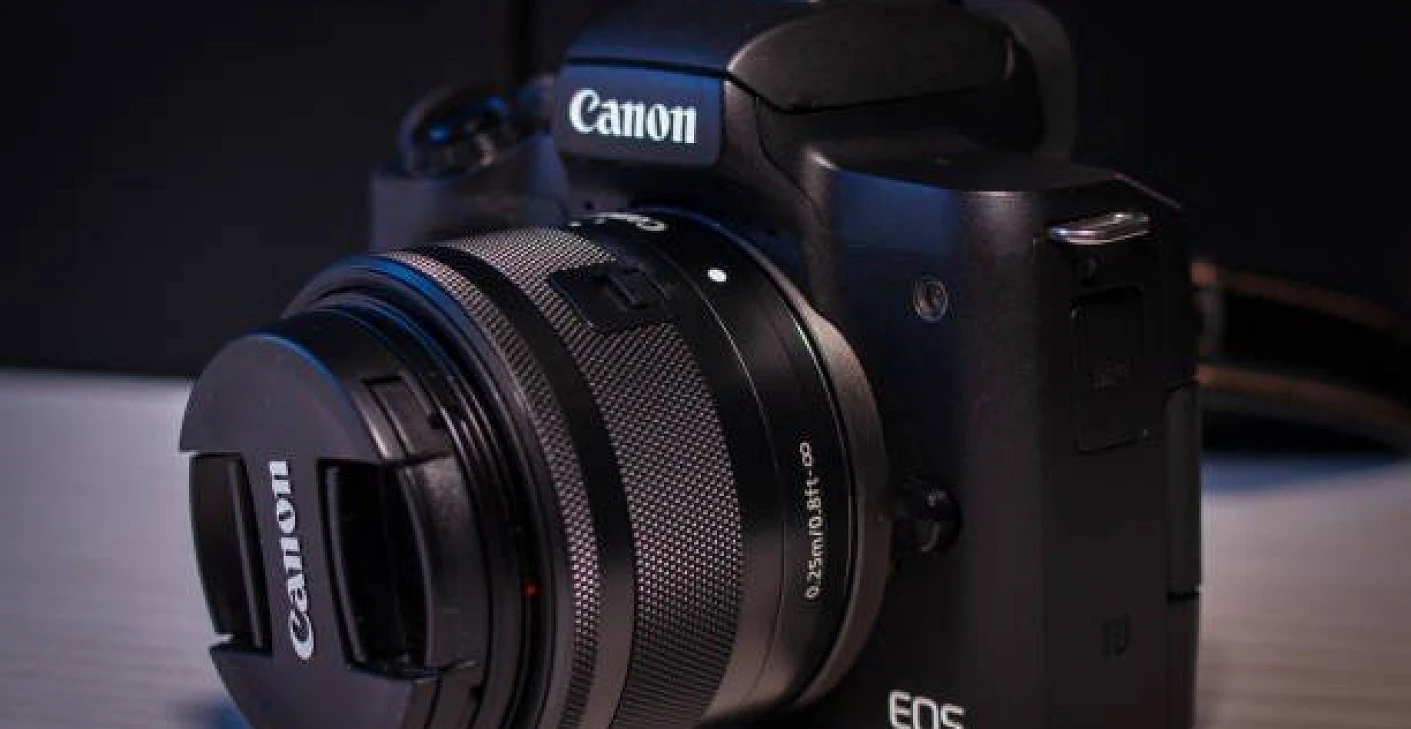
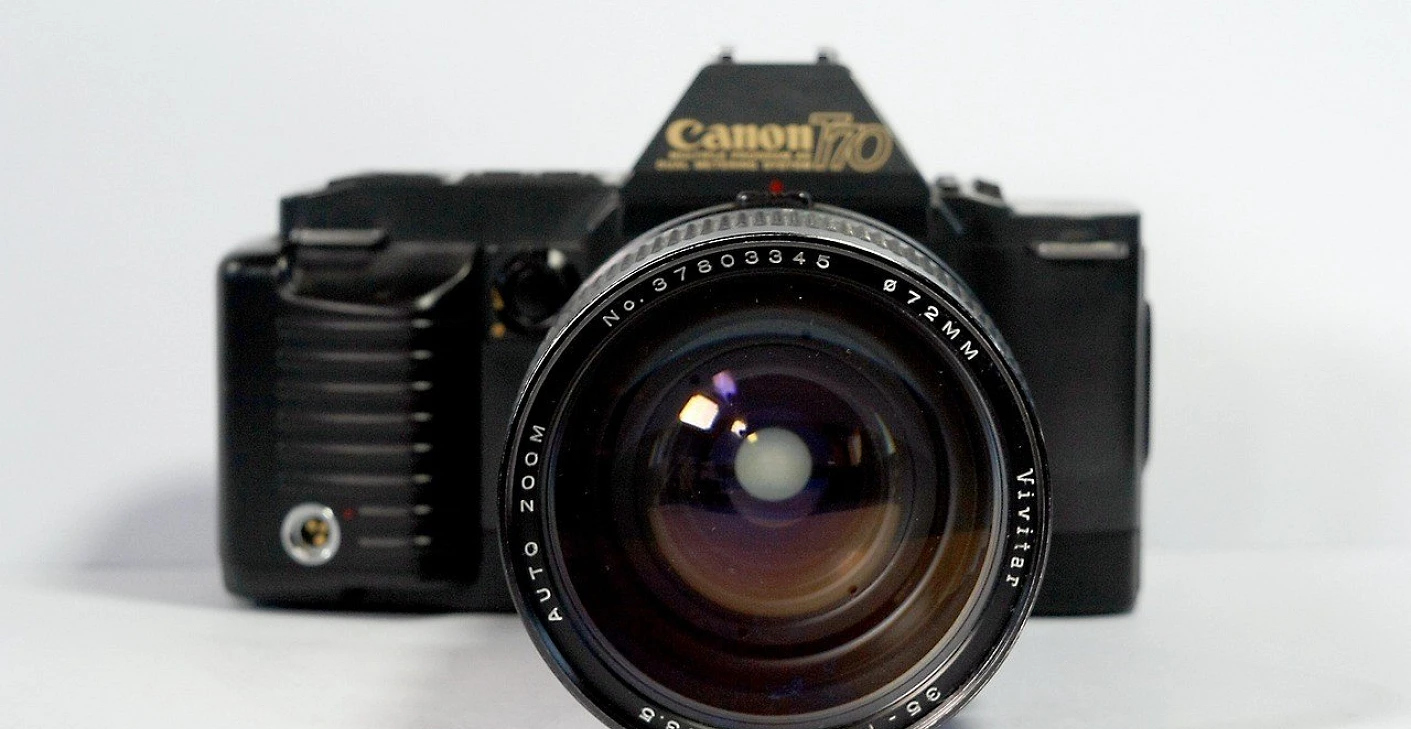
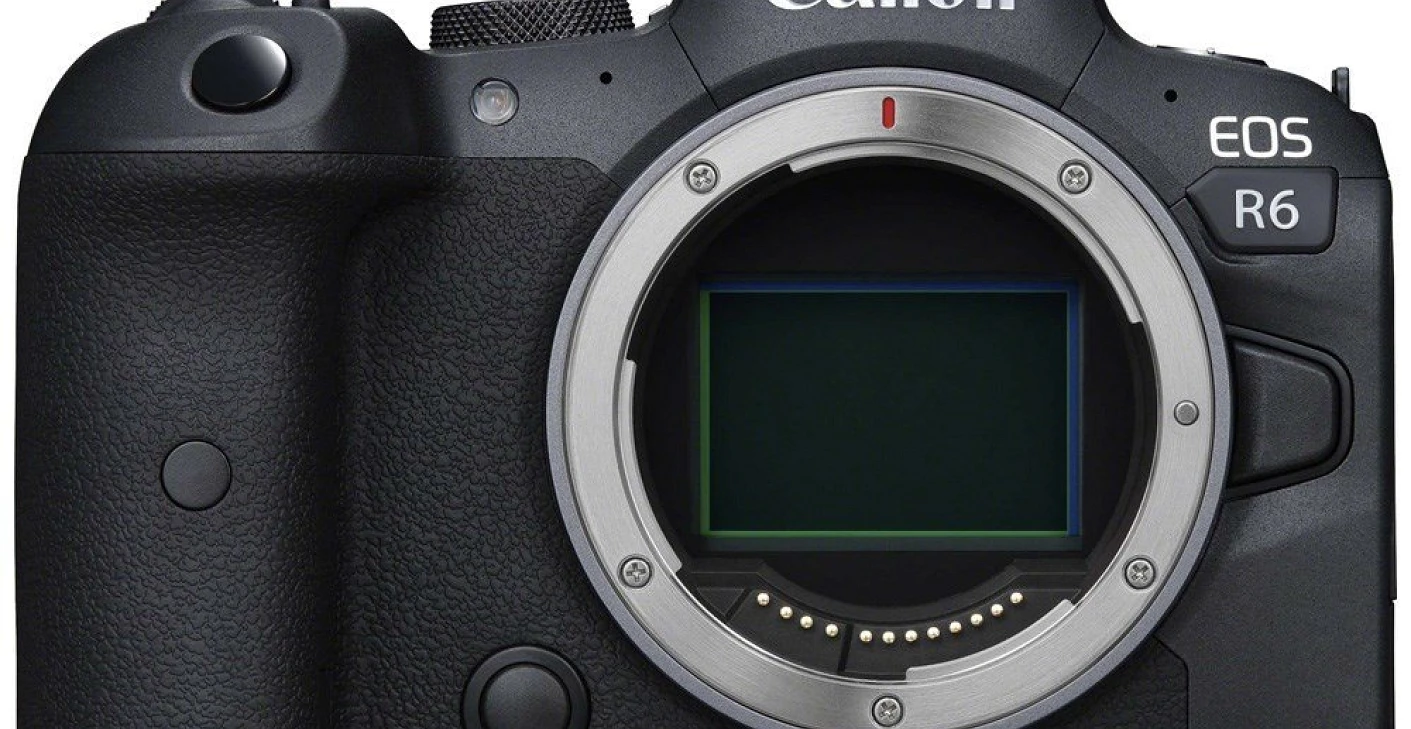
Canon EOS (Electro-Optical System)

Canon EOS (Electro-Optical System) is an autofocus single-lens reflex camera (SLR) camera series produced by Canon Inc.. Introduced in 1987 with the Canon EOS 650, all EOS cameras used 35 mm film until October 1996 when the EOS IX was released using the new and short-lived APS film. In 2000, the D30 was announced, as the first digital SLR designed and produced entirely by Canon. Since 2005, all newly announced EOS cameras have used digital image sensors rather than film. The EOS line is still in production as Canon’s current digital SLR (DSLR) range, and, with the 2012 introduction of the Canon EOS M, Canon’s mirrorless interchangeable-lens camera (MILC) system (Source: Wikipedia)

The name “EOS” was chosen for Eos, the Titan goddess of the dawn in Greek mythology and is often pronounced as a word (/ˈiːɒs/), although some spell out the letters, reading it as an initialism.

The EOS emblem was created using Handel Gothic typography.

It competes primarily with the Nikon F series and its successors, as well as autofocus SLR systems from Olympus Corporation, Pentax, Sony/Minolta, and Panasonic/Leica.

At the heart of the system is the EF lens mount, which replaced the previous FD lens mount, which mainly supported only manual-focus lenses.

What is the difference between EOS and DSLR?

Anyone who has been researching Canon digital SLR cameras will notice many of their names have the letters EOS attached to them. For example, EOS 30D, EOS 1D Mark III, EOS Rebel etc. But what does EOS mean exactly?

Many people mistakenly believe that the term EOS stands for some new special feature built into Canon digital SLR cameras. However, as explained above, EOS camera’s have been around for over 25 years and is really nothing new in today’s terms.

DSLR = Digital Single Lens Reflex – a style of camera. A DSLR is a digital SLR, which means any digital camera that allows you to change lenses and has a reflex mirror allowing you to view/focus through the same lens used to take the photo. The mirror must then be flipped up to take the photo.

An EOS camera is Canon’s overall term for both film and digital SLRs. Canon introduced the EOS name, which stands for Electro-Optical System, when it went to auto-focusing for their SLRs.

If you buy a new SLR these days, it will almost certainly be a digital SLR, as almost no film SLRs are being made any more. In fact, Canon is not making any more film Rebel SLRs or even high-end film SLRs anymore

Understand also that as you progress, your lens costs will far exceed the cost of your body. Also, at this time, I only named Nikon and Canon as they totally dominate the SLR market and have the most lenses available, in used, new and third-party. Other SLR makers include Sony, Pentax, Olympus, and Fujifilm (which uses Nikon SLR bodies). It’s an open question whether any of these other companies will remain in the SLR market in the long term, hence my recommendation to stick with Nikon or Canon.

See Canon cameras and/or lenses in our stock.

Posted on

Choosing the DSLR That’s Right for You

You may have studied the descriptions of digital SLR technology in this article since you’re considering which DSLR to buy. Because technology changes so rapidly, it’s unlikely that the electronic camera you buy today will be your last. On the other hand, even the least expensive DSLR is a significant investment for most of us, especially when you consider the expense of the lenses and devices you’ll buy. You wish to make the right choice the first time. Digital SLR choice makers often fall under among 5 classifications:

■ Severe professional photographers. These consist of picture enthusiasts and experts who might currently own lenses and accessories coming from a specific system, and who need to maintain their financial investments by choosing, if possible, a DSLR that works with as much of their existing devices as possible.

■ Professionals. Pro professional photographers buy equipment like carpenters purchase routers. They want something that will get the job done and is rugged enough to work dependably in spite of heavy use and mistreatment. They do not necessarily appreciate cost if the equipment will do what’s needed, because their companies or customers are ultimately bearing the cost. Compatibility may be a great idea if a company’s shooters share a pool of specific devices, but a professional picking to switch to a whole brand-new system probably won’t care much if the old stuff needs to fall by the wayside.

■ Well-heeled professional photographers. Lots of DSLR purchasers show a high turnover rate, because they buy equipment mainly for the love of having something new and intriguing. Some actually feel that the only way they will have the ability to take decent (or better) images is to own the really most current equipment. I enjoy letting these folks have their enjoyable, since they are typically a good source of mint utilized equipment for the rest people.

■ Serious newcomers. Numerous DSLRs are sold to new photographers who are buying their very first digital camera or who have actually been utilizing a point-and-shoot video camera design. These buyers do not plan on junking whatever and purchasing into a new system anytime quickly, so they are more likely to examine all the alternatives and select the best DSLR system based on as many elements as possible. Their caution may be why they have actually waited this long to acquire a digital SLR in the first place.

■ Casual newcomers. As rates for DSLRs dropped a lot, I saw a new type of purchaser emerging, those who might have acquired a point-and-shoot video camera at the exact same price point in the past, and now have the concept that a DSLR would be cool to have and/or might offer them with better pictures. A lot of these owners aren’t serious about photography, although they might be severe about getting excellent photos of their household, travels, or activities. A large number of them find that a basic DSLR with its kit lens fits them just great and never ever purchase another lens or device. It could be said that a DSLR is overkill for these casual buyers, however many will wind up very pleased with their purchases, even if they aren’t using all the offered functions.

Questions to Ask Yourself when Buying a Camera

As soon as you choose which category you fall under, you need to make a list of your requirements. What sort of images will you be taking? How typically will you be able to update? What abilities do you need? Ask yourself the following questions to assist determine your genuine requirements.

Just How Much Resolution Do You Required?

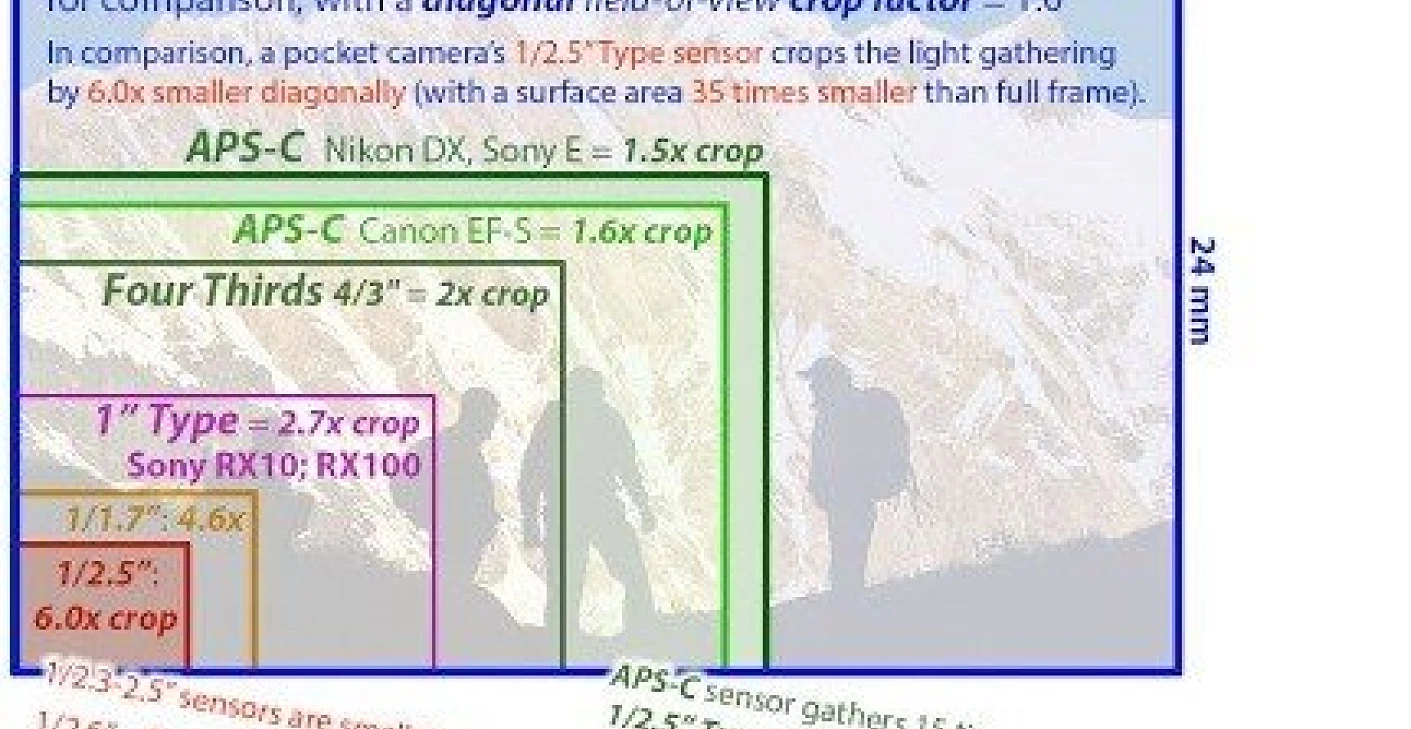
This is an essential concern since, at the time I write this, DSLRs are readily available with resolutions from about 10– 12 megapixels to 24 megapixels (and beyond, if you consist of some unique types called medium format cams). A lot more intriguing, not all digital SLRs of a particular resolution produce the exact same outcomes. It’s totally possible to get better photos from a 12 megapixel SLR with a sensor that has low sound and more accurate colours than with a comparable 12 megapixel model with an inferior sensor (even when the differences in lens efficiency is discounted). Looking at resolution in general, you’ll want more megapixels for some types of photography. If you wish to produce prints larger than 8 × 10 inches, you’ll be happier with a video camera having 12– 14 megapixels of resolution or more. If you wish to crop out small areas of an image, you might require a cam with 16– 21 megapixels. On the other hand, if your main application will be taking pictures for display on a websites, or you require thumbnail-sized pictures for ID cards or for a brochure with small illustrations, you might get along simply fine with the lowest-resolution DSLR camera you can find. Keep in mind that your requirements might alter, and you may later be sorry for choosing an electronic camera with lower resolution. Complete Frame or Cropped Frame? Throughout this chapter I’ve pointed out a few of the differences between full-frame sensors and cropped sensors. Your choice between them can be among the most crucial choices you make. Even if you’re brand-new to the digital SLR world, from time to time you’ve heard the term crop factor, and you have actually most likely also heard the term lens multiplier element. Both are deceptive and inaccurate terms used to describe the very same phenomenon: the reality that some electronic cameras (normally the most budget-friendly digital SLRs) provide a field of view that’s smaller and narrower than that produced by certain other (usually a lot more pricey) cams, when fitted with precisely the exact same lens. The picture rather plainly shows the phenomenon at work. The outer rectangular shape, marked 1X, reveals the field of view you may anticipate with a 28mm lens mounted on a “complete frame” (non-cropped) camera, like the Nikon D3-series or Canon 1Ds series. The location marked 1.3 X reveals the field of vision you’d get with that 28mm lens set up on a so called APS-H kind element cam, like the Canon 1D series. The area marked 1.5 X reveals the field of vision you’d get with that 28mm lens installed on an APS-C form element camera that includes practically all other non-Four Thirds /Micro Four Thirds designs. Canon’s non-full-frame electronic cameras, like the 60D and 7D, have a kind aspect of 1.6 X, which is virtually identical and likewise called by the APS-C classification. All 4 Thirds/Micro Four Thirds electronic cameras use a 2X crop aspect, represented by the inner rectangular shape. You can see from the illustration that the 1X performance provides a wider, more extensive view, while each of the inner field of visions is, in contrast, cropped. The cropping impact is produced since the “cropped” sensors are smaller sized than the sensors of the full-frame electronic cameras. These sensing units do not determine 24mm × 36mm; rather, they spec out at roughly 23.6 × 15.8 mm, or about 66.7 percent of the location of a complete frame sensing unit. You can calculate the relative field of view by dividing the focal length of the lens by.667. Hence, a 100mm lens mounted on an APS-C camera has the exact same field of vision as a 150mm lens on a full-frame camera. We human beings tend to perform multiplication operations in our heads more quickly than division, so such field of view comparisons are normally computed using the reciprocal of.667– 1.5– so we can multiply rather. (100/.667=150; 100 × 1.5=150.) This translation is usually helpful just if you’re accustomed to utilizing full-frame video cameras (normally of the film range) and want to know how a familiar lens will carry out on a digital camera. I strongly prefer crop aspect over lens multiplier, since nothing is being increased; a 100mm lens doesn’t “become” a 150mm lens– the depth-of-field and lens aperture remain the very same. Only the field of view is cropped. But crop factor isn’t better, as it implies that the 24 × 36mm frame is “full” and anything else is “less.” I get emails all the time from professional photographers who explain that they own full-frame cams with 36mm × 48mm sensing units (like the Mamiya 645ZD or Hasselblad H3D-39 medium format digitals). By their reckoning, the “half-size” sensors discovered in full-frame cams are “cropped.” Probably a much better term is field of view conversion element, however no one really uses that one. If you’re accustomed to utilizing full-frame film video cameras, you might discover it practical to use the crop aspect “multiplier” to equate a lens’ genuine focal length into the full-frame equivalent, despite the fact that, as I said, absolutely nothing is actually being increased.

How Frequently Do You Want to Update?

Photography is one field occupied by large numbers of techno maniacs who merely need to have the most recent and finest devices at all times. The digital photography world seldom disappoints these device nuts, because newer, more sophisticated designs are introduced every couple of months. If staying on the bleeding edge of technology is essential to you, a digital SLR can’t be a long-lasting financial investment. You’ll have to count on purchasing a brand-new electronic camera every 18 months to two years, since that’s how typically the average vendor takes to replace a current model with a more recent one. Some upgrades are minor ones. Thankfully, the common DSLR replacement cycle is a much longer schedule than you’ll discover in the digital point-and-shoot world, where a particular top of the line camera may be replaced every six months or more frequently. Digital SLRs normally are changed no more frequently than every 12 to 18 months– 12 months for the entry-level models, and 18 months or longer for the intermediate and sophisticated models. On the other hand, perhaps you’re not on a relentless quest for a shiny brand-new gizmo. You just desire excellent pictures. Once you acquire a video camera that gets the job done, you’re not likely to upgrade till you discover there are particular pictures you can’t take because of limitations in your existing devices. You’ll be happy with a cam that does the job for you at a rate you can afford. If your desires are large but your pocketbook is limited, you may wish to downsize your purchase to make those inescapable regular upgrades possible.

Sell or Keep your Devices?

Normally, come upgrade time, your old DSLR will deserve more as a hand-me-down to another user than as a trade-in. That’s why I’m currently eagerly anticipating using my present preferred DSLR as a second or 3rd video camera body when I do update to the next generation. An additional body can be available in convenient. When I leave town on journeys, I usually take one additional body just as a backup. Still, I end up using the backup more than I expected when I mount, say, a telephoto zoom on my “main” video camera and a wide-angle zoom on my backup so I do not have to switch lenses as typically.

Posted on

Find your main subject: 5 secrets of fascinating photos

What is the secret of fascinating photos? Think about it, I am always asked which camera, lens or setting I used to take this or that photo. Seldom does anyone ask: “How did you come up with this motive?” The subject is always important to me – no matter which camera I use to take my picture. Therefore, I would like to familiarize you with the search for the main subject, one of my most important lessons in composition – what you really want to put in scene. Because this way your photos will be even better!

Who is the main actor in your photo?

Shortly after buying my first SLR camera, I bought a cool 10-20 mm wide-angle lens from Sigma. Wow what a dimension. Now I could get the whole world in one photo. But when I look back today, this visual excess has overwhelmed me. What should I focus on? Photos are like a good film: there is a leading actor. The audience will recognize it, and everything in your composition will help to set it perfectly in scene: light, perspective, focus, design elements and, last but not least, the plot.

Make what is unique in your photo and in the situation visible – go very close and throw out everything that is unimportant. Here I only photographed the reflection of the tree.

What do you see that fascinates you as a motive?

Who should be the main protagonist of your photo? I would like to share with you some tips and techniques that will help you sharpen your focus on the main actor. But the first impulse has to come from you. Who or what do you want to show – how and in what way?

Typical challenges in our subject search

  • If the subject is too small, the viewer of your photos may not recognize it as the main subject.
  • Are there too many (unimportant) things in the picture? Oh dear, then the meaning of your photo may be lost.

Do whatever you can to find your subject. Your eyes and your brain don’t make it easy for you. They are the perfect combination for an exciting deception. Because if you see the subject, your head takes over the image processing without being asked. Everything that is not important is cut away. But your camera can’t! Your eyepiece is merciless. It shows everything that you depict in the frame and in the four corners of your photo. Stay tuned and keep practicing the technique!


Here I have 5 tips for you to find your main subject

5 tips to find your main subject

  1. Find what fascinates you

What made you stop before considering taking this picture? That should become your main subject. A great light situation? An exciting face?

  • How can you show the fascination in the picture?

Is the subject clear enough in the picture? Is something disturbing the effect? From now on your mission is: Make the uniqueness of the situation visible!

  • Separate yourself from the unimportant

Before you doubt your technique or your inability, there is usually too much of what you have in the photo. We’re still learning how to clean up your photo. Because less is more and exactly the little and the emptiness emphasizes your main motive.

  • What can you show and what not?

If the subject is personal – the mood of the evening or the pet that means a lot to you – that’s okay. But the connection to you cannot always be shown in the photo. Be critical, think about the effect when a stranger looks at your photos. Good photos work without explanation.

  • Have perseverance

Many of my photos that didn’t turn out so well were just not good because of my impatience. Stay tuned to your idea and your motive. Take one more photo and try a new perspective. Don’t give up so quickly!

Posted on

Used Sony E-Mount Lenses for Video and Content Creation

Discover the best used Sony E-mount lenses for video and content creation. From budget-friendly zooms to pro-level primes, find out what to look for and which models offer the best value in 2025.

Used Sony E-Mount Lenses for Video and Content Creation

As content creation continues to evolve, so does the demand for high-quality, reliable gear that fits within a creator’s budget. For those using Sony mirrorless cameras, particularly the Alpha and FX lines, Sony’s E-mount lens ecosystem offers a wealth of options—many of which can be found in excellent condition on the used market. Whether you’re shooting YouTube videos, TikToks, short films, or client work, investing in used Sony E-mount lenses can be a smart way to level up your production without overspending.

In this article, we’ll explore the best types of used Sony E-mount lenses for video and content creation, what to look for when buying used, and some top recommendations that still perform like new in 2025.


Why Buy Used Lenses for Video Work?

Buying used lenses isn’t just about saving money—although that’s a huge benefit. It also gives creators access to higher-end glass that might be out of reach when purchased brand new. With careful inspection and reputable sellers, used lenses can deliver the same optical performance as new ones.

Benefits of buying used include:

  • Lower upfront cost
  • Access to discontinued or rare models
  • Proven performance reviews from real users
  • Minimal depreciation if resold later

For video work, where budget-conscious gear upgrades are frequent, the value proposition of used lenses is hard to beat.


What to Look for in Video-Focused E-Mount Lenses

While photo lenses and video lenses share many similarities, there are a few specific traits to prioritize if you’re primarily creating video content:

1. Quiet and Smooth Autofocus

Autofocus motors should be fast, smooth, and silent to avoid noisy footage or focus hunting during recording. Look for lenses with Sony’s linear or stepping motors.

2. Wide Aperture

Lenses with f/1.4 to f/2.8 apertures allow better control over depth of field and perform better in low-light settings—ideal for interviews, talking heads, or cinematic b-roll.

3. Minimal Focus Breathing

Focus breathing causes the image to subtly zoom when shifting focus, which can be distracting in video. Some Sony and Sigma lenses are optimized to reduce this effect.

4. Stabilization (if needed)

Optical SteadyShot (OSS) in-lens stabilization can be beneficial for handheld shooting, although many Sony bodies also feature in-body image stabilization (IBIS).


Top Used Sony E-Mount Lenses for Video and Content Creators

Here are some standout used lenses that remain excellent for content creation in 2025:


1. Sony E 16–55mm f/2.8 G (APS-C)

Best for: Vloggers and hybrid shooters
This G-series zoom is an excellent pick for APS-C Sony cameras like the a6400 or FX30. With a constant f/2.8 aperture and fast, silent autofocus, it’s ideal for handheld shooting, walk-and-talk vlogs, and general-purpose content.

  • Pros: Sharp, well-built, fast aperture, weather-sealed
  • Cons: No optical stabilization

2. Sony FE 24mm f/1.4 GM (Full-frame)

Best for: Wide-angle talking head videos and b-roll
The 24mm focal length is ideal for vloggers and YouTubers who shoot in tight indoor spaces. This G Master lens is known for stunning sharpness and creamy bokeh.

  • Pros: Lightweight for a GM lens, excellent low-light performance
  • Cons: Premium price, even used

3. Sigma 18–50mm f/2.8 DC DN (APS-C)

Best for: Run-and-gun creators on a budget
This compact zoom is one of the best third-party APS-C lenses for video. It’s fast, sharp, and covers a very useful range for creators using a6400, FX30, or ZV-E10.

  • Pros: Affordable used, smooth AF, compact
  • Cons: APS-C only

4. Sony FE 35mm f/1.8 (Full-frame or APS-C)

Best for: Interviews, product shots, and cinematic b-roll
The 35mm focal length is extremely versatile. This lens is small, fast, and excellent for a wide range of video applications.

  • Pros: Lightweight, sharp wide open, quiet AF
  • Cons: Not a G Master, but still professional-grade

5. Tamron 28–75mm f/2.8 Di III RXD (Full-frame)

Best for: Documentary-style or handheld shooting
A popular third-party zoom that works great on Sony full-frame cameras, this Tamron lens offers performance close to the Sony 24–70mm f/2.8 GM at a fraction of the price, especially when bought used.

  • Pros: Great value, constant f/2.8, decent autofocus
  • Cons: Focus breathing more noticeable than G Master lenses

Where to Buy Used E-Mount Lenses

When shopping for used lenses, stick to reputable sellers with clear return policies and warranty options. Trusted marketplaces include:

  • KEH Camera
  • MPB
  • B&H Used Department
  • Adorama Used Gear
  • Local camera stores or certified eBay sellers

Always check the condition (look for terms like “Excellent” or “Like New”) and verify that the lens has been tested for focus, aperture, and stabilization functionality.


Final Thoughts: Is Buying Used E-Mount Lenses Worth It for Creators?

Absolutely. In 2025, used Sony E-mount lenses continue to provide tremendous value for creators of all levels. Whether you’re a solo vlogger, a freelance videographer, or running a growing content channel, the used market gives you access to pro-level gear at manageable prices.

By carefully selecting the right lens for your shooting style—and buying from trusted sources—you can build a powerful video setup without overspending. And since lenses hold their value better than camera bodies, it’s an investment that can pay off creatively and financially in the long run.

Posted on

Lens Mount Compatibility: What You Need to Know Before Buying

Confused about lens mount compatibility? This guide explains flange distance, adapter types, and key factors to check before buying used lenses, ensuring they fit and function with your camera system.

Lens Mount Compatibility: What You Need to Know Before Buying

When it comes to building a camera system, one of the most important—but often overlooked—considerations is lens mount compatibility. You might find an excellent deal on a used lens or dream of using vintage glass with your modern camera, but if the mount isn’t compatible, you could end up with an expensive paperweight—or face costly and cumbersome workarounds.

Lens mount compatibility determines whether a lens will physically and electronically connect to your camera body. With so many brands, mount types, and adapters available, understanding the basics of lens mounts is essential before making a purchase.

In this guide, we’ll break down everything you need to know about lens mount compatibility, including mount types, adapting lenses across systems, and tips for avoiding costly mistakes.


What is a Lens Mount?

lens mount is the interface where a lens attaches to a camera body. It ensures a secure physical connection and—on modern lenses—enables communication between the lens and the camera for functions like autofocus, aperture control, and image stabilization.

Lens mounts differ in:

  • Physical dimensions (diameter, flange distance)
  • Electronic communication protocols
  • Mechanical locking mechanisms

Each camera manufacturer typically has its proprietary mount system, although some third-party lens makers produce lenses in multiple mount options.


Flange Distance: The Key to Compatibility

One critical specification is flange focal distance (FFD)—the distance from the lens mount to the camera sensor.

  • Short flange distances allow more flexibility for adapting lenses.
  • Long flange distances limit adaptability, especially to mirrorless systems.

For example:

  • DSLRs (like Canon EF or Nikon F) have longer flange distances.
  • Mirrorless cameras (like Sony E, Canon RF, Nikon Z, Fujifilm X, Micro Four Thirds) have shorter flange distances.

Short flange distance cameras can adapt lenses with longer flange distances using simple mechanical adapters.


Common Lens Mount Systems

Canon EF and EF-S (DSLR)

  • EF: Full-frame DSLRs.
  • EF-S: Crop-sensor (APS-C) DSLRs.
  • EF lenses work on EF-S bodies, but EF-S lenses don’t mount on full-frame EF bodies.
  • Not natively compatible with Canon’s mirrorless RF mount without an adapter.

Canon RF (Mirrorless)

  • For Canon’s full-frame mirrorless cameras (EOS R series).
  • Adapters allow use of EF and EF-S lenses.

Nikon F (DSLR)

  • Long-standing mount used for decades.
  • Compatible with many older Nikon lenses (AI, AI-S), but some limitations with entry-level bodies (no in-body focus motor).

Nikon Z (Mirrorless)

  • For Nikon’s full-frame and APS-C mirrorless cameras.
  • FTZ adapters allow use of Nikon F-mount lenses with full functionality on higher-end Z bodies.

Sony E-Mount (Mirrorless)

  • E-mount is used across Sony’s APS-C and full-frame mirrorless cameras.
  • Flexible for adapting third-party lenses due to short flange distance.

Fujifilm X-Mount (Mirrorless)

  • For Fujifilm’s APS-C mirrorless cameras.
  • Lenses from other mounts require adapters; no native full-frame X-mount lenses.

Micro Four Thirds (MFT)

  • Shared by Olympus and Panasonic.
  • Smaller sensor size with 2x crop factor.
  • Very adaptable to legacy manual focus lenses.

Adapting Lenses: Mechanical vs Electronic Adapters

Mechanical Adapters

  • Simple metal rings with no electronic contacts.
  • Perfect for adapting manual focus lenses.
  • Focus and aperture are controlled manually.
  • Ideal for vintage lenses (e.g., M42, Leica M, Canon FD).

Electronic Adapters

  • Enable communication between lens and camera body.
  • Allow autofocus, aperture control, EXIF data transfer, and image stabilization (if supported).
  • Quality varies: some brands (e.g., Metabones, Sigma MC-11) produce reliable adapters; cheap no-brand adapters can be hit-or-miss.

Adapting DSLR Lenses to Mirrorless Bodies

One of the major advantages of mirrorless cameras is their adaptability. For example:

  • Canon EF lenses to Canon RF bodies (using Canon’s official EF-RF adapter).
  • Nikon F lenses to Nikon Z bodies (via Nikon FTZ adapter).
  • Canon EF or Nikon F lenses to Sony E-Mount bodies (via Metabones or Sigma MC-11 adapters).

Adapting DSLR lenses to mirrorless bodies generally works well because mirrorless cameras have a shorter flange distance, making room for adapters.


Limitations When Adapting Lenses

  1. Autofocus Speed & Accuracy: Adapting DSLR autofocus lenses to mirrorless can result in slower or less accurate autofocus.
  2. Electronic Features: Some features like lens-based image stabilization, aperture control, and EXIF data may not work with cheap adapters.
  3. Manual Focus Only: When adapting vintage lenses (e.g., Canon FD to Sony E-mount), you’ll be limited to manual focus and manual aperture control.
  4. Infinity Focus Issues: Poorly made adapters may prevent the lens from focusing to infinity.
  5. Vignetting or Sensor Coverage: Adapting full-frame lenses to crop sensors works fine, but using APS-C lenses on full-frame bodies may cause vignetting.

Lens Mount Compatibility: What to Double-Check Before Buying

1. Camera Body Mount Type

  • Know whether your camera is a DSLR or mirrorless, full-frame or APS-C.
  • Example: A Nikon F-mount lens won’t fit a Nikon Z body without an adapter.

2. Lens Mount Type

  • Identify the lens mount of the used lens you’re interested in.
  • Example: Canon FD (manual focus) lenses require an adapter to mount on modern Canon EF bodies or mirrorless cameras.

3. Adapter Availability & Cost

  • Ensure there’s a reliable adapter for the lens-camera combination.
  • Budget for high-quality adapters (brands like Metabones, Novoflex, Viltrox).

4. Functionality Expectations

  • Are you okay with manual focus only?
  • Do you need autofocus and aperture control?
  • Will you lose image stabilization?

5. Crop Factor Considerations

  • Using a full-frame lens on an APS-C body results in a narrower field of view.
  • Example: A 50mm lens becomes equivalent to a 75mm on a 1.5x crop sensor.

Popular Mount Combinations for Adaptation

  • Canon FD to Sony E-Mount (Manual Focus)
  • Nikon AI-S to Fuji X or Sony E-Mount
  • Canon EF to Sony E-Mount (with Metabones Speedbooster for full-frame equivalent)
  • M42 Screw Mount to Almost Any Mirrorless Camera

Future-Proofing Your Lens Purchases

If you plan to upgrade your camera body in the future, consider lenses that will still be compatible:

  • Lenses with a longer flange distance can be adapted to mirrorless cameras.
  • Modern mirrorless lenses (RF, Z, E-Mount) are less likely to be compatible with DSLR bodies.
  • Investing in high-quality manual focus lenses (e.g., Leica M, Zeiss, Voigtländer) ensures long-term versatility across systems.

Conclusion

Lens mount compatibility is a critical yet often overlooked factor when buying lenses—especially in the used market. Understanding flange distances, mount types, and the pros and cons of lens adapters can save you time, money, and frustration.

Before hitting that “Buy Now” button, make sure you’ve confirmed whether the lens will fit your camera natively or if an adapter is needed. More importantly, ensure you’re aware of any functionality trade-offs (like losing autofocus or stabilization).

A little research goes a long way. With the right knowledge, you can confidently expand your photography kit with used lenses that work seamlessly with your camera system—unlocking creative possibilities while staying on budget.

Posted on

Main Types of Camera Lenses

For different perspectives and composition, it can be useful to try different types of camera lenses. Ever get confused when it comes to the many different types of camera lenses?

There are two main types camera lenses are zoom lenses and prime lenses:

  • Zoom lens – it is a lens which can go from wide angle to telephoto range or from telephoto to high telephoto; the focal length can change. Ideal by most travelers because one or two lenses will give an entire range that they will ever need. However, the image quality is often compromised by this convenience.
  • Prime lens (primary focal length, unifocal lens or FFL) – is a fixed focal length photographic lens, typically with a maximum aperture from f2.8 to f1.2. Prime lenses come in a wide range of focal lengths from wide angles through to the very longest of tele-photo lenses. They have a larger maximum aperture, which enables quicker shutter speeds (faster) than zoom lenses. Read more on Wikipedia

There are many possible lens choices and all will give you a different and distinct image. The lens choice depends on the environment and on the creativity of the photographer in selecting the right lens to capture the vision of the world the way he or she sees it, or wants to present it.

Here are some of the main lens types:

  • Standard lens (normal lens) – a similar angle of view to the human eye, giving photos a natural feel. They are general-purpose lenses, and can be used to photograph everything from close-up portraits to landscapes. A standard lens will make the distance between near and far objects look ‘normal’. For a 35mm film camera or a full-frame DSLR, the 50mm lens is considered standard.
  • Telephoto lens – long-focus lens; long focal length lenses. The angle of view of approx. 20°. This lens class is suited for capturing distant motives up close, e.g., sports, nature or theatrical photography.
  • Wide angle lens – camera lens with a focal length of less than 35mm is considered wide angle (useful in architectural, interior and landscape photography where the photographer may not be able to move farther from the scene to photograph it). Angle of view greater than 55°. Wide-angle lenses come in both fixed-focal-length and zoom varieties.
  • Also, there are ultra-wide angle lenses (fisheye lenses). They are small, ultra-wide, and show a distorted, spherical view of the world, most evident in the curved, outer corners of the photo.
  • Macro Lens – a lens suitable for taking photographs unusually close to the subject. Designed for photographing small subjects at very close distances. They can focus much nearer than normal lenses, allowing you to fill the frame with your subject and capture more details. Macro lenses normally have a fixed focal length (prime lenses). There are zoom macro lenses available but they are low quality and they have low magnification ratio. Read more about macro lenses

Additional devices can be mounted on lenses to change the image quality, such as different filters. Also, tele-converters can be used between lens and camera and to increase the focal length of the mounted lens.

Popular focal lengths

  • 12 to 21mm: Ultra-Wide — usually used at very close subject distances to produce a perspective that provides a dramatic, often extreme image that distorts a scene’s natural proportions.
  • 24 to 35mm: Wide — capture a wider field of view than a standard lens, at shorter distances, the perspective can show distortion.
  • 50 mm: Standard — a focal length near the 44mm image diagonal and a perspective similar to human vision.
  • 85 mm: Portrait — short telephoto lens that accommodates a longer subject to camera distance for pleasing perspective effects and useful image framing.
  • 135 mm: Telephoto — used, for example, by action and sports photographers to capture far away objects.
  • 200 to 500 mm: Super Telephoto — specialized, bulky lenses typically used in sports, action, and wildlife photography.
Posted on

Camera Viewfinder Types

Among the key component of a digital video camera is its viewfinder. With a DSLR, the viewfinder is, together with lens interchangeability, among the distinguishing features between the DSLR and non-DSLR cameras. Certainly, other digital cams offer a type of through-the-lens watching by showing the present sensing unit image on an LCD. But, an LCD show is hardly the exact same thing as a huge, intense SLR view in terms of structure, ease of focus, the amount of details provided, or viewing convenience.

View on the back-panel LCD show

These seeing panels, which operate like miniature laptop computer display screens, reveal practically the exact image seen by the sensing unit. The LCDs procedure approximately 2.7 to 3 inches diagonally, and usually show 98 percent or more of the picture view seen by the lens. An LCD may be difficult to view in intense light. Point-and-shoot digital cams use the LCD show to show the image prior to the picture is taken, and to examine the image after the picture has actually been made. A few of these have no optical viewfinder at all, so the only way to compose a shot is on the LCD. In a DSLR, the back-panel LCD is utilized for examining photos that have actually been taken and for previewing using the so-called Live View functions, and for seeing motion pictures as they are taken.

View through an optical viewfinder window

Some non-SLR digital cams have a glass direct view system called an optical viewfinder that you can utilize to frame your image. Optical viewfinders can be basic window-like devices (with low-end, fixed zoom digital cameras) or more advanced systems that zoom in and out to approximately match the view that the sensor sees. The advantage of the optical viewfinder is that you can see the subject at all times (with other systems the view might be blanked out throughout the direct exposure). Optical systems might be brighter than electronic watching, too. A huge drawback is that an optical viewfinder does not see precisely what the sensing unit does, so you might end up cutting off someone’s head or otherwise do some unintentional cutting of your topic.

View through an electronic viewfinder (EVF).

The EVF operates like a little tv screen inside the digital electronic camera. You can view an image that closely corresponds to what the sensing unit sees, and it is much easier to view than the LCD show, but doesn’t have almost the quality of an SLR viewfinder. EVF electronic cameras are generally more compact than DSLRs, and are offered both with interchangeable lenses (such as the Olympus and Panasonic Micro 4 Thirds cameras, or Sony NEX designs) or with integrated superzoom lenses that stretch from 12X to 18X or more (hence removing a few of the requirement for interchangeable lenses).

View an optical image through the electronic camera lens.

Another sort of optical viewfinder is the through-the-lens viewing provided by the SLR camera. With such electronic cameras, an additional element, typically a mirror, reflects light from the taking lens up through an optical system for direct watching. The mirror shows essentially all the illuminate to the viewfinder, except for some lighting that might be siphoned off for usage by the automatic direct exposure and focus mechanisms. The mirror swings out of the way throughout a direct exposure to allow the light to reach the sensing unit rather. Sometimes, a beam splitting gadget is used instead. A beam splitter does what you expect: It divides the beam, reflecting part to the viewfinder and permitting the remainder of the light to strike the sensor. As discussed earlier, an optical viewfinder’s image showed from the mirror is reversed, of course, so it is bounced around a bit more within the camera to produce an image in the viewfinder window that is oriented properly delegated right and vertically. Some digital cams use a pentaprism, which is a solid piece of glass and generates the brightest, most accurate image. Others utilize a pentamirror system, lighter in weight and more affordable to produce, but which provides you an image that is a little less fantastic than that developed by a pentaprism. Olympus has utilized a swinging sideways mirror viewfinder system it calls a TTL Optical Porro Finder on a few of its DSLRs, which has the advantage of permitting a much squatter profile for the video camera, due to the fact that the huge lump of a pentaprism/pentamirror need not occupy the top of the electronic camera. There are numerous other essential elements of SLR viewfinders that you require to keep in mind:.

Live View mode.

The majority of true DSLRs supply no LCD sneak peek other than in Live View mode. Because of the way digital SLRs operate it is not possible to see the image on the back panel LCD prior to the picture is taken. Absence of live sneak peek does not seem like much of an issue initially– after all, the optical view is brighter, easier to focus, and frequently much larger than an LCD sneak peek– until you go to take an infrared image or other image utilizing a filter that reduces the exposure of the through-the-lens view, or obscures it entirely. With an SLR, you’re shooting blind, so Live View can be beneficial when you want to see the image that the sensing unit sees, before shooting.

Vision correction.

All DSLRs have diopter correction to permit near/far sightedness. However, if you have other vision problems that need you to wear glasses while making up pictures, make certain your digital camera lets you see the entire image with your spectacles pushed up against the viewing window. Often the style of the viewfinder, including rubber bezels around the frame, can restrict visibility.

Eye point.

The range you can move your eye away from the viewfinder and still see all of the image is called the eye point, and it is essential to more than simply eyeglass users, as explained above. For example, when shooting sports, you might wish to use your other eye to sneak peek the action so you’ll know when your subjects will move into the frame. Video cameras that permit seeing the full image frame even when the eye isn’t pressed up tightly to the window make it easy to do this. In the past, makers of SLR cams have even offered “extended eye point” devices for sports photographers and others.

Zoom.

The relative size of the viewfinder image impacts your ability to see all the information in the frame as you compose an image. It’s not something you might consider, but if you compare DSLRs side by side, you’ll see that some provide a larger through-the-lens view than others. Bigger is constantly better, however it is likely to cost more, too. Working with viewfinders will show up once again a couple of times later in this book, however if you keep in mind the fundamental information provided in this chapter, you’ll understand most of what you require to know.

Posted on

Photo tips for successful macro photography

Beetles and crawlers, flowers and leaves, everywhere and in every season: the world of small things fascinates with its incredible wealth of colors and shapes. The fascination of macro photography is due, among other things, to the fact that we cannot perceive the tiny natural wonders with the naked eye, or only to a very limited extent. Fortunately, photography offers a variety of optical options. We have some tips for special macro photos.

1. Calm background, brilliant foreground

The more reduced and plain the background, the clearer the main motif appears.

Background plays an important role in macro photography. Small, colorful, sharply depicted objects such as insects and butterflies are particularly effective in front of a uniformly colored, blurred surface. The photographic “laws of nature” help: A long or large focal length and an open aperture ensure perfect blurring in the background. Speaking of lenses: The best close-up images are created with a special macro lens, for example with a 100 millimeter focal length.

2. Thin sections, bright images

Light from behind makes thin slices of onions, citrus fruits and other fruits and vegetables shine wonderfully.

Fruit, vegetables and Co. can be wonderfully staged as macro motifs. The basic principle is simple: Everything that can be cut very thinly and which then has a certain degree of light permeability is suitable for these recordings. Examples are the onion and especially citrus fruits like lemons and oranges. In addition to a tripod, all you need is a surface that is illuminated from below to place the panes on – for example a glass table. Incidentally, such images are also possible with high-quality smartphones.

3. Optical accents, drop by drop

Drops of water on a colored leaf create an interesting “structure on the structure”.

Drops of water bring life to every macro photo and make the surfaces of leaves and flowers that are already interesting in themselves appear even more interesting. Because the drops act like small magnifying glasses that partially enlarge the leaf structure and thus provide an additional image layer. You can take such macro pictures outdoors as well as easily stage them yourself at home. A lamp and, if necessary, a professional brightener in the form of a photo reflector are usually sufficient for lighting.

4. Action photos with butterfly, bee and Co.

Photographing insects in flight is not easy, but practice makes perfect. Just experimenting is a lot of fun.

A butterfly or a bumblebee on the flower – this classic photo can often be seen. It is more exciting to photograph the small flying objects in action. You definitely need a telephoto lens for this. The autofocus should be set to the so-called tracking mode, in which the focus adjustment constantly readjusts the subject. In addition, set the exposure time to at least 1 / 2000th of a second or less. And now it’s time to go out into the garden, park or forest: there you will find what you need for a great macro action shot – a small, colorful, flying main subject. We wish you every success.

Posted on

Used Fujifilm X-T2 vs X-T3: Which One Should You Choose Today?

Looking to choose between a used Fujifilm X-T2 or X-T3 in 2025? This in-depth comparison covers image quality, autofocus, video, battery life, and price to help you pick the best value for your photography needs.

Used Fujifilm X-T2 vs X-T3: Which One Should You Choose Today?


When it comes to Fujifilm’s X-series cameras, the X-T2 and X-T3 stand out as two of the most beloved models. Both offer a robust, retro-inspired design, excellent image quality, and a photographer-focused shooting experience. As the used gear market continues to grow in 2025, many photographers are turning to these older models to get pro-level features at a lower price. But the big question is: which one should you choose today—the Fujifilm X-T2 or the X-T3?

In this article, we’ll compare the two cameras in-depth across key categories, including sensor performance, autofocus, video capabilities, usability, and price to help you make the best decision when buying used.


1. Sensor and Image Quality

Both cameras feature Fujifilm’s renowned X-Trans CMOS sensors, but there are some notable differences.

  • X-T2: 24.3MP X-Trans CMOS III sensor
  • X-T3: 26.1MP X-Trans CMOS 4 sensor with a backside-illuminated (BSI) design

The X-T3 delivers slightly higher resolution and better performance in low light due to the BSI sensor. While the X-T2’s image quality is still excellent, the X-T3 pulls ahead for dynamic range and high ISO performance.

Winner: X-T3


2. Autofocus System

One of the most significant improvements in the X-T3 is its autofocus system.

  • X-T2: 325-point hybrid AF system (91 selectable points)
  • X-T3: 425-point phase-detect AF system with improved tracking and eye-detection

The X-T3’s autofocus is noticeably faster, more accurate, and better at tracking moving subjects—especially useful for wildlife, sports, and street photography.

Winner: X-T3


3. Video Features

If video is part of your creative workflow, the X-T3 is a massive upgrade over the X-T2.

  • X-T2: 4K at 30fps, 8-bit internal recording
  • X-T3: 4K at up to 60fps, 10-bit internal recording, F-Log, and better codec support

The X-T3 was Fujifilm’s first X-series camera to truly cater to hybrid shooters and videographers. It supports higher-quality recording, better slow-motion, and more flexible editing in post-production.

Winner: X-T3


4. Build and Handling

Physically, both cameras look very similar with weather-sealed magnesium alloy bodies and dedicated dials for ISO, shutter speed, and exposure compensation. The key ergonomic differences are subtle but may matter depending on how you shoot.

  • X-T2: Solid and familiar layout with a slightly deeper grip
  • X-T3: Minor tweaks to button feel and responsiveness, USB-C port for charging and tethering

Both are excellent for handheld shooting in harsh conditions, but the X-T3 feels a bit more refined in daily use.

Winner: Tie


5. Battery Life

Battery life wasn’t a strong suit for either model by today’s mirrorless standards, but the X-T3 manages to squeeze out more efficiency.

  • X-T2: Approx. 340 shots per charge
  • X-T3: Approx. 390 shots per charge

Both use the same NP-W126S battery, so spares are easy to find. For long sessions, either camera will benefit from a battery grip.

Winner: X-T3 (slightly)


6. Price and Value on the Used Market (2025)

Here’s where things get interesting. As of 2025, used prices for both models have dropped significantly:

  • X-T2: Typically available between $350–$450 USD
  • X-T3: Typically available between $550–$700 USD

If budget is tight, the X-T2 is still an amazing camera for the price—especially for stills. But for the extra $150–$250, the X-T3 offers newer tech, better autofocus, and superior video capabilities, making it a better long-term investment.

Winner: X-T2 for budget; X-T3 for value


7. Who Should Choose the X-T2?

  • Hobbyist photographers who mainly shoot stills
  • Those on a tighter budget
  • Photographers upgrading from entry-level models like the X-T100 or X-A series
  • Anyone looking for a backup camera body that still delivers pro results

8. Who Should Choose the X-T3?

  • Hybrid shooters who want strong video capabilities
  • Action, sports, or wildlife photographers who need fast AF
  • Photographers looking for a longer-term investment
  • Anyone stepping up to professional work with Fujifilm gear

Final Verdict: Which One Should You Buy?

If you’re on a strict budget or shoot primarily stills, the Fujifilm X-T2 remains a fantastic choice in 2025. It still produces stunning images and offers a tactile shooting experience that Fujifilm fans love.

However, if you want better autofocus, improved video features, and a more future-proof setup, the Fujifilm X-T3 is worth the extra cost. It’s a more well-rounded and modern camera, and still holds its own in today’s competitive market.

Bottom line:

  • Buy the X-T2 for value and simplicity.
  • Buy the X-T3 if you want more speed, video power, and long-term performance.

Either way, you’re getting a camera that delivers incredible results and a premium experience—at a fraction of the cost of buying new.


Meta Description:
Compare the Fujifilm X-T2 and X-T3 in 2025. Discover which used camera offers better value for your needs—whether you’re a stills shooter, hybrid creator, or looking for pro-level features on a budget.

Posted on

Best Used Sigma Art Lenses You Can Buy in 2025

Discover the best used Sigma Art lenses to buy in 2025. From sharp primes to versatile zooms, find out which models offer top-tier performance and unbeatable value for photographers on a budget.

Best Used Sigma Art Lenses You Can Buy in 2025

Sigma’s Art series has established itself as a hallmark of optical excellence—offering high-resolution sharpness, smooth bokeh, and rock-solid build quality. For budget-conscious photographers and videographers, buying these lenses pre‑owned offers tremendous value. Despite the passage of time, many Sigma Art models continue to deliver top-tier performance in 2025. Below, we’ve rounded up the best used Sigma Art lenses you can reliably invest in today.


1. Sigma 35mm f/1.4 DG HSM Art

A groundbreaking lens when introduced—this classic 35mm prime made Sigma synonymous with premium independent optics.

  • Performance: Delivering exceptional sharpness even wide open, it rivals the best offerings from Canon and Nikon. WikipediaRetouching Labs
  • Versatility: Its natural field of view is ideal for street, documentary, and travel photography.
  • Why Used Makes Sense: It’s widely available, reliable, and often sells used at a fraction of its original price.

2. Sigma 50mm f/1.4 DG HSM Art

A portrait and general-purpose prime favorite across many systems.

  • Image Quality: Offers crisp detail and creamy bokeh, ideal for portraits and low-light shooting. cameraworld.co.ukWIRED
  • Build: Solid construction with reliable autofocus.
  • Benefits of Buying Used: Significant savings for a lens that still holds its own among modern alternatives.

3. Sigma 85mm f/1.4 DG HSM Art

Regarded as one of the sharpest portrait lenses available.

  • Optics: Smooth background blur and sharp subject rendition—especially on high-megapixel systems. cameraworld.co.ukColor Experts International
  • Usage: Exceptional for studio, portrait, and event photography.
  • Used Market Advantage: You can access its premium rendering without paying full price.

4. Sigma 24‑70mm f/2.8 DG OS HSM Art

A professional-grade all-around zoom lens favored by event and wedding photographers.

  • Features: Dust/splash-proof design, optical stabilization, and consistent f/2.8 across the zoom range. cameraworld.co.ukRetouching LabsHampshire Prints
  • Why Used Works: Performance holds up well and you’ll save considerably off new retail.

5. Sigma 14‑24mm f/2.8 DG HSM Art

One of the go-to ultra-wide zooms for landscape, architecture, and night sky work.

  • Strengths: Edge-to-edge sharpness and minimal distortion. Retouching LabsPhotography Project
  • Used Lens Market: Prized for its performance, used copies offer immense value to wide-angle shooters.

6. Sigma 20mm f/1.4 DG HSM Art

A unique wide-angle prime with a super-fast aperture.

  • Optical Advantages: Wide f/1.4 allows beautiful depth of field control even at 20mm. cameraworld.co.ukWikipedia
  • Ideal For: Astrophotography, environmental portraits, and night work.
  • Buying Used: Dramatic edge in cost-effectiveness versus new hardware.

7. Sigma 135mm f/1.8 DG HSM Art

A rare semi-telephoto prime with ultra-fast aperture—made for stunning portraits.

  • Image Quality: Generous bokeh and lovely compression, with minimal distortion. Become better creators — together.
  • Used Value: Expensive new, but used copies represent the best value for high-end optics.

8. Sigma 24mm f/1.4 DG HSM Art

A fast wide-angle prime often praised for cinematic rendering.

  • Performance: Excellent sharpness with smooth out-of-focus areas. Great for landscapes, video, and architecture. WikipediaPhotography Project
  • Used Purchase Benefits: Get excellent glass at much lower cost.

Real User Perspective

One Reddit user shared their experience with the Sigma 18‑35mm f/1.8 Art (for APS‑C systems), capturing low-light shots better than they anticipated — “I absolutely love it” despite its heft. Reddit

Such comments highlight how these lenses retain relevance—and why used versions are still in demand.


Why Sigma Art Lenses Shine as Used Investments

  • Superior Optics: Exceptional sharpness, advanced glass, and wide apertures deliver standout image quality. Retouching Labs
  • Build Quality: Many Art lenses use premium materials and solid construction that endure over time.
  • Firmware & Support: Sigma’s USB dock allows firmware updates and focus tweaks even for used copies (where available). Wikipedia
  • Cross-Mount Compatibility: Sigma Art lenses are available for multiple mounts (Canon, Nikon, Sony, L‑mount), increasing resale/demand.

Final Thoughts—Maximizing Value in 2025

If you’re looking to level up your kit affordably in 2025, these are the top used Sigma Art lenses worth prioritizing:

  • Primes: 35mm f/1.4, 50mm f/1.4, 85mm f/1.4
  • Zooms & Specialty: 24‑70mm f/2.8, 14‑24mm f/2.8, 20mm f/1.4, 135mm f/1.8, 24mm f/1.4

Ensure you buy from reputable sellers with return policies—and enjoy premium image quality for less.