Posted on

Used Canon EF vs RF Lenses: Which Should You Choose?

Wondering whether to buy used Canon EF or RF lenses? Discover the pros and cons of each system, from price and performance to compatibility and future-proofing, in this in-depth guide for Canon photographers.

Used Canon EF vs RF Lenses: Which Should You Choose?

With the continued growth of Canon’s mirrorless system, more photographers are asking a key question: Should I invest in used Canon EF lenses or go all-in with RF glass? If you’re using a Canon EOS R-series mirrorless body, you have access to both RF and EF lenses — thanks to the EF-EOS R adapter — opening up a wide range of options, especially in the used market.

In this article, we’ll compare used EF and RF lenses head-to-head, looking at performance, price, compatibility, and long-term value. Whether you’re upgrading from a DSLR or building a new mirrorless kit on a budget, this guide will help you decide which lens system is right for you.


1. EF and RF Mount Basics

Before diving into the comparison, let’s break down the differences:

  • EF Lenses were designed for Canon’s DSLR cameras and have been around since 1987. They include everything from entry-level zooms to pro-grade L-series lenses.
  • RF Lenses are Canon’s newer mirrorless lenses built for the EOS R system (starting in 2018), offering cutting-edge optics and features like in-lens control rings and improved communication with the camera body.

When paired with Canon’s EF-EOS R adapter, EF lenses work seamlessly on EOS R-series cameras, often with no performance loss in autofocus or image quality.


2. Price & Value: EF Wins (Especially Used)

One of the biggest reasons photographers lean toward used EF lenses is price.

  • Used EF lenses are widely available and significantly more affordable than their RF counterparts.
  • For example, a used EF 24-70mm f/2.8L II USM can be found for $900–$1,200, while the RF 24-70mm f/2.8L IS USM costs upwards of $2,000 new or $1,700 used.
  • Even affordable EF primes like the EF 50mm f/1.8 STM can be found for under $100, while the RF 50mm f/1.8 STM typically sells for $150–$200 used.

Conclusion: If you’re on a tight budget or want more bang for your buck, the used EF lineup offers tremendous value.


3. Optical Performance: RF Takes the Lead

RF lenses are newer and benefit from modern design and engineering. Canon used the shorter flange distance in mirrorless cameras to improve optical formulas, leading to:

  • Sharper images across the frame
  • Better edge-to-edge clarity
  • Reduced chromatic aberration and distortion
  • Improved coatings for flare control

That said, many EF L lenses still compete well, especially top-tier glass like the EF 70-200mm f/2.8L IS III USM or EF 85mm f/1.2L II USM.

Conclusion: RF lenses usually offer superior sharpness and clarity — but the differences might only matter for large prints or high-end work.


4. Autofocus Performance: Nearly Equal

When using the Canon EF-EOS R adapter, EF lenses autofocus quickly and accurately on mirrorless bodies like the EOS R5R6, or R8. Canon has done an excellent job maintaining full autofocus compatibility.

However, RF lenses were specifically designed for the EOS R system. They benefit from faster and quieter autofocus motors and better communication between lens and body, particularly in eye-detection AF and continuous AF tracking.

Conclusion: For casual users and most pros, the autofocus difference is minor. But for high-speed sports, wildlife, or video work, RF lenses may give a slight edge.


5. Features & Functionality: RF Adds More

RF lenses introduce modern design features that aren’t available on EF models, such as:

  • Customizable control rings for adjusting ISO, aperture, or exposure comp
  • In-lens image stabilization, even in lenses that previously had none
  • Improved weather sealing and build quality

For hybrid shooters or video creators, these features can dramatically improve workflow.

Conclusion: If you’re looking for modern controls and future-proof features, RF wins.


6. Lens Selection: EF Has the Numbers

Canon’s EF system includes over 100 lenses, covering every focal length and budget. The used market is overflowing with choices — from vintage EF lenses to pro L-series glass.

While Canon’s RF lineup is growing, it’s still catching up. Some focal lengths, like tilt-shift or certain specialty macro lenses, are still unavailable in RF mount.

Conclusion: EF offers more variety, especially for niche photography or specialty needs.


7. Adaptability and Versatility: EF Offers Flexibility

EF lenses can be used not only on Canon DSLRs and mirrorless cameras (via adapter) but also adapted to other systems, like Sony E-mount or Micro Four Thirds. They’re also ideal for multi-system shooters.

RF lenses, on the other hand, are limited to Canon’s mirrorless EOS R system. You can’t use them on DSLRs, and they don’t adapt easily to other brands.

Conclusion: If you want gear that works across multiple camera systems, used EF lenses are more versatile.


8. Resale Value: EF Still Holds Strong

While some believe RF will eventually replace EF, EF lenses continue to hold value, especially the high-end L glass. Many photographers still shoot DSLRs, and Canon continues to support EF for the time being.

Plus, buying used EF means less depreciation — you can often sell a lens later for nearly what you paid.

Conclusion: Used EF lenses are a safer investment for those concerned with resale value.


9. Future-Proofing: RF Is the Future

Canon’s clearly investing heavily in RF lens development. As of 2025, new camera bodies and premium lenses are primarily RF. If you’re planning to stay within Canon’s ecosystem long-term, it might make sense to start building your RF kit — especially for flagship lenses or specialty glass.

Conclusion: If you’re future-focused and growing into Canon’s mirrorless world, RF may be the better long-term choice.


Final Verdict: Which Should You Choose?

It depends on your needs, budget, and goals:

Choose Used EF Lenses if:

  • You’re on a budget
  • You already own an EF lens collection
  • You want the best value on pro glass
  • You need specialty lenses not yet available in RF
  • You want gear that works on DSLR and mirrorless

Choose RF Lenses if:

  • You’re building a future-proof, mirrorless-only system
  • You want cutting-edge optical quality and performance
  • You need features like control rings or in-lens stabilization
  • You shoot fast action, video, or demanding commercial work

For many photographers, a hybrid setup — using mostly used EF lenses with a few key RF lenses — offers the best of both worlds.
Posted on

Street Photography on a Budget: Top Used Lenses to Try

Discover the best budget-friendly used lenses for street photography. Explore affordable Canon, Nikon, Sony, Fujifilm, and vintage lens options that deliver sharp images and stunning street captures.

Street Photography on a Budget: Top Used Lenses to Try

Street photography is all about capturing candid moments, vibrant city life, and the unique stories unfolding around us every day. Unlike studio or landscape photography, street photography often demands a compact, discreet, and lightweight setup that allows photographers to blend into their environment. But here’s the challenge: camera gear can be expensive, especially high-quality lenses.

The good news is you don’t need to buy brand-new gear to excel at street photography. The used lens market is a treasure trove of affordable, high-performance lenses perfect for shooting in urban environments. In fact, some older lenses are better suited to street photography because of their compact size and character-rich rendering.

In this article, we’ll explore the best used lenses for street photography that deliver exceptional results without draining your wallet.


Why Buy Used Lenses for Street Photography?

  • Affordability: You can save 30–50% compared to buying new, giving you access to higher-quality optics.
  • Character Over Clinical Perfection: Older lenses often have unique rendering, flares, and micro-contrast that enhance street photos with a timeless feel.
  • Compact and Lightweight Designs: Many older lenses are smaller and lighter, making them less intrusive for candid street work.
  • Manual Focus Mastery: Many vintage lenses encourage a slower, more deliberate shooting style, perfect for honing your composition and focus skills.

What to Look for in a Street Photography Lens

When choosing a lens for street photography, especially on a budget, consider:

  • Focal Length: 35mm and 50mm are classic choices for their natural perspective.
  • Aperture: A fast aperture (f/1.8 to f/2.8) helps in low light and allows for subject isolation.
  • Size & Weight: Compact, lightweight lenses are easier to carry and draw less attention.
  • Autofocus or Manual Focus: Both can work; manual focus lenses can slow you down for more thoughtful compositions.

Top Used Lenses for Street Photography

1. Canon EF 50mm f/1.8 STM (“Nifty Fifty”)

  • Mount: Canon EF (Full-frame & APS-C)
  • Why it’s great: Sharp, fast, and ultra-affordable. This lens is a no-brainer for Canon users wanting shallow depth of field on a budget.
  • Size & Weight: Extremely compact, making it great for discreet shooting.
  • Used Price Range: $80–$120

2. Canon EF 40mm f/2.8 STM Pancake Lens

  • Mount: Canon EF
  • Why it’s great: Ultra-slim pancake design makes your DSLR almost pocketable. Its focal length sits perfectly between 35mm and 50mm.
  • Size & Weight: One of Canon’s most compact lenses.
  • Used Price Range: $100–$150

3. Nikon AF-S 35mm f/1.8G DX

  • Mount: Nikon F (DX-format APS-C)
  • Why it’s great: Equivalent to a 52mm field of view on DX bodies, this is a sharp, fast, and affordable lens ideal for Nikon shooters.
  • Size & Weight: Compact and unobtrusive for street use.
  • Used Price Range: $120–$160

4. Nikon AF 50mm f/1.8D

  • Mount: Nikon F (Full-frame & APS-C)
  • Why it’s great: A lightweight, fast prime with classic rendering. On full-frame bodies, it delivers that traditional 50mm “street” perspective.
  • Used Price Range: $100–$150

5. Sony E 35mm f/1.8 OSS (APS-C)

  • Mount: Sony E (APS-C)
  • Why it’s great: With Optical SteadyShot (OSS) and a fast aperture, this lens is a compact workhorse for Sony mirrorless users.
  • Size & Weight: Small and light, great for discreet shooting.
  • Used Price Range: $250–$350

6. Sony FE 50mm f/1.8

  • Mount: Sony E (Full-frame & APS-C)
  • Why it’s great: Affordable full-frame 50mm prime lens with good bokeh and portability.
  • Used Price Range: $150–$200

7. Fujifilm XF 35mm f/2 R WR (“Fujicron”)

  • Mount: Fujifilm X (APS-C)
  • Why it’s great: Weather-sealed, razor-sharp, and compact. Equivalent to 53mm in full-frame terms, it’s perfect for Fujifilm street shooters.
  • Size & Weight: Lightweight and discreet.
  • Used Price Range: $250–$350

8. Fujifilm XF 27mm f/2.8 Pancake Lens

  • Mount: Fujifilm X (APS-C)
  • Why it’s great: Equivalent to a 41mm field of view, this pancake lens is ultra-slim, making your Fujifilm body feel like a compact camera.
  • Used Price Range: $200–$250

9. Sigma 30mm f/1.4 DC DN Contemporary (Sony/Fujifilm/Canon EF-M)

  • Mounts: Sony E, Fujifilm X, Canon EF-M
  • Why it’s great: Excellent optical quality with a fast f/1.4 aperture, perfect for low-light street scenes.
  • Used Price Range: $250–$300

10. Voigtländer Nokton Classic 40mm f/1.4 (M-mount)

  • Mount: Leica M (Adaptable to mirrorless)
  • Why it’s great: A legendary manual focus lens with a distinctive vintage rendering and creamy bokeh.
  • Used Price Range: $300–$400 (excluding adapter)

Best Vintage Lenses for Street Photography

For those willing to embrace manual focus, vintage lenses are a goldmine of character and affordability.

11. Canon FD 50mm f/1.4

  • Mount: Canon FD (Adaptable to mirrorless)
  • Why it’s great: Warm tones, smooth bokeh, and excellent build quality.
  • Used Price Range: $100–$150

12. Minolta Rokkor 45mm f/2

  • Mount: Minolta MD/MC (Adaptable to mirrorless)
  • Why it’s great: Small, sharp, and beautifully built. A hidden gem for mirrorless street shooters.
  • Used Price Range: $80–$120

13. Pentax Super-Takumar 55mm f/1.8

  • Mount: M42 (Adaptable to mirrorless)
  • Why it’s great: Known for its smooth rendering and exceptional build quality.
  • Used Price Range: $80–$120

Tips for Buying Used Street Photography Lenses

  1. Inspect Optics: Look for scratches, haze, or fungus on lens elements.
  2. Test Focus Rings and Aperture Blades: Ensure smooth rotation and clicky aperture stops.
  3. Check Mount Condition: Ensure the mount isn’t bent or excessively worn.
  4. Autofocus Speed & Accuracy: For AF lenses, make sure the motor is still responsive.
  5. Ask About Return Policies: Especially when buying online, ensure there’s a return window.

What Focal Length is Best for Street Photography?

  • 35mm: The classic street lens, offering a natural field of view with a bit of context.
  • 50mm: Ideal for subject isolation and tighter compositions.
  • 28mm: For dynamic, wide street scenes where you want to include more environment.
  • 40mm: A versatile in-between focal length, popular among rangefinder enthusiasts.

Why Compact Lenses Matter in Street Photography

In street photography, being discreet is often key to capturing genuine moments. Bulky telephoto lenses not only attract attention but can also make subjects uncomfortable. Compact primes or pancake lenses allow you to blend in, stay agile, and shoot candidly. Lightweight setups are also less tiring during long photo walks.


Conclusion

Street photography isn’t about having the latest, most expensive gear—it’s about capturing stories, emotions, and fleeting moments. By tapping into the used lens market, you can equip yourself with high-quality optics that deliver professional results on a modest budget.

From the ever-popular Canon 50mm f/1.8 to vintage gems like the Helios 44-2 or the Pentax Super-Takumar, there are countless affordable lenses that allow you to dive into street photography and develop your unique visual style. With thoughtful choices and a bit of patience, you can build a compact, powerful street photography kit that won’t break the bank.

Posted on

How to remove mouldy odour from cameras and lenses?

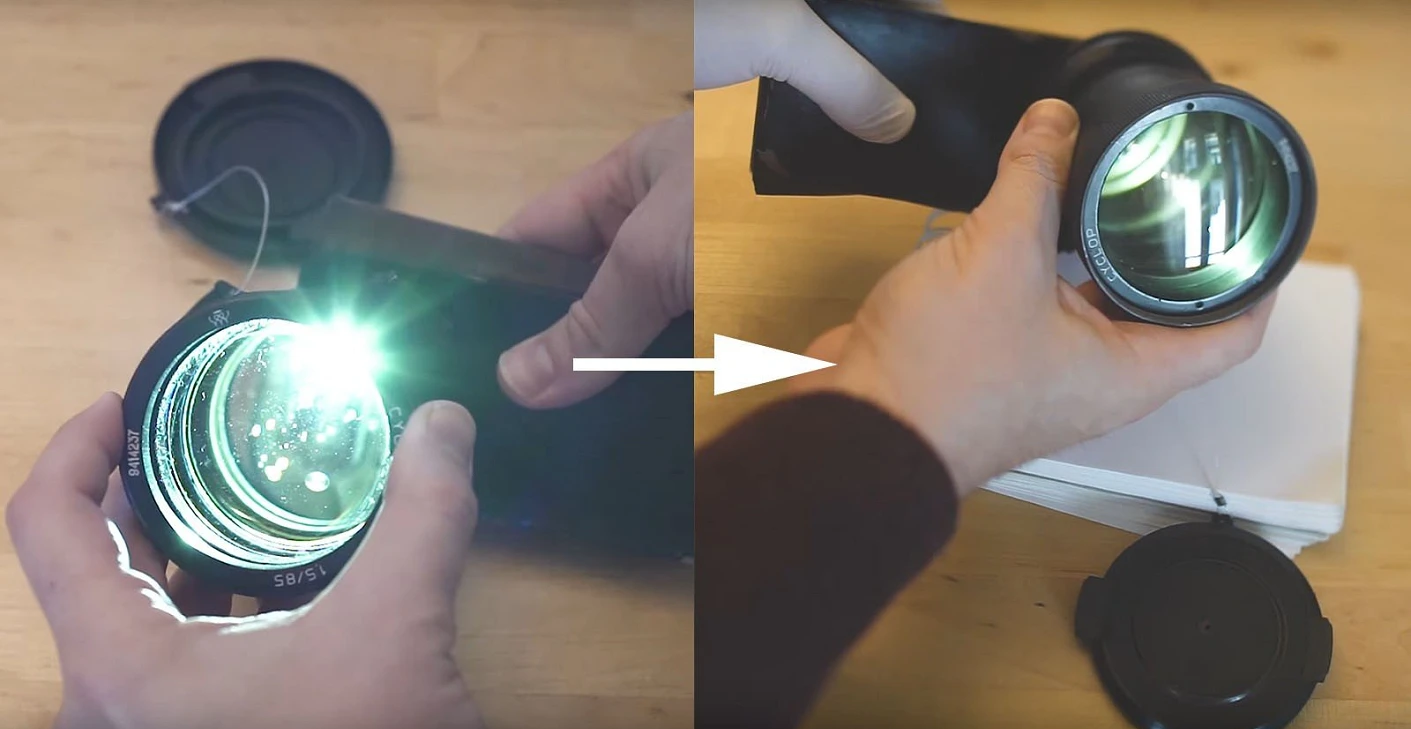
I recently bought a new old lens for one of my cameras on eBay. Everything is fine so far. But I don’t like that the lens has a stinking musty smell. Here you can quickly help yourself with a simple trick. I like old analogue cameras. Every now and then I look at eBay, because these devices are now often sold there at a low price. Recently I have decided to buy a wide-angle lens for my Kiev medium format camera. The lens was apparently perfectly fine too – apparently. Because it actually had a mouldy smell! This was due to the bag in which it was. Unfortunately, this must have been lying in a damp cellar for too long. I didn’t want to do anything with it, so I threw away the bag with the strong musty smell.  The smell of mold had also spread to the lens. But here you can easily help yourself.

Yes, you can easily get out the musty smell with coffee!

So I first looked for a plastic box in the kitchen that my lens would fit. I put this in there. Next, I added some instant coffee. I closed the lid and put the can and its contents down for 24 hours. After this time I opened the can and the musty smell is almost gone! The coffee had so to speak soaked up the smell of mold. The lens now smelled slightly of the instant coffee. But this quickly evaporated.

With this simple trick, it is possible to drive out the notorious musty smell from smaller objects (that have been stored incorrectly or damp). With larger objects (e.g. items of clothing) you would have to take a larger bag like a garbage bag and sprinkle a whole pack of coffee into it. The container must be closed, however – especially when working with instant coffee. Because instant coffee tends to get lumpy and sticky with a constant supply of air! You don’t want it to stick to the objects with the musty smell or leave stains.

Clean your photography equipment with some cheap perfume or aftershave

Attention! Do not pour any liquid directly on your photography equipment, because it may cause internal damage, fungus, electric hazard, etc.!

Put few drops of cheap perfume or aftershave on a microfiber cloth and wipe your equipment carefully. You can use ear buds in places that you can’t access. For inexpensive dirty equipment I often use toothbrush. Let your equipment dry. Don’t put it into a bag yet, but also don’t let it uncovered for days on a direct sunlight because it can collect dust and direct sunlight can damage your sensitive  and expansive device. Also, it can get easily scratched or damaged if you forget it on the table or on the top of your kitchen. Wait for an hour after cleaning and place it in a bag or case, if you don’t use them. It is recommended to have a few small bags of Silica gels silicon dioxide that is absorbing moisture in your camera bag. Do not keep your equipment in rooms where the humidity is high. Keep your room at a normal humidity. You can use room dehumidifier to prevent you cameras and lenses. Yet, for your own health is also important. So find the balance (If your house is above 50% humidity then a dehumidifier is needed. However, if humidity levels are below 30%, a humidifier is needed).  

Prevention – Keep your cameras and lenses dry in bad weather

  • Use umbrella
  • Waterproof camera covers
  • Use lens hoods
  • Change lenses under cover
  • Wear waterproof clothing
Posted on

The white balance

Do you know what the white balance is? But you should, because after the three exposure values ​​( exposure time , aperture , ISO ), white balance is the most important in photography. The other values ​​deal with the brightness of the picture, this deals with the color.

1 The white balance in digital cameras

2 Shoot RAW for better white balance

3 Adjust the white balance manually

4 When do I hire something?

5 The gray card

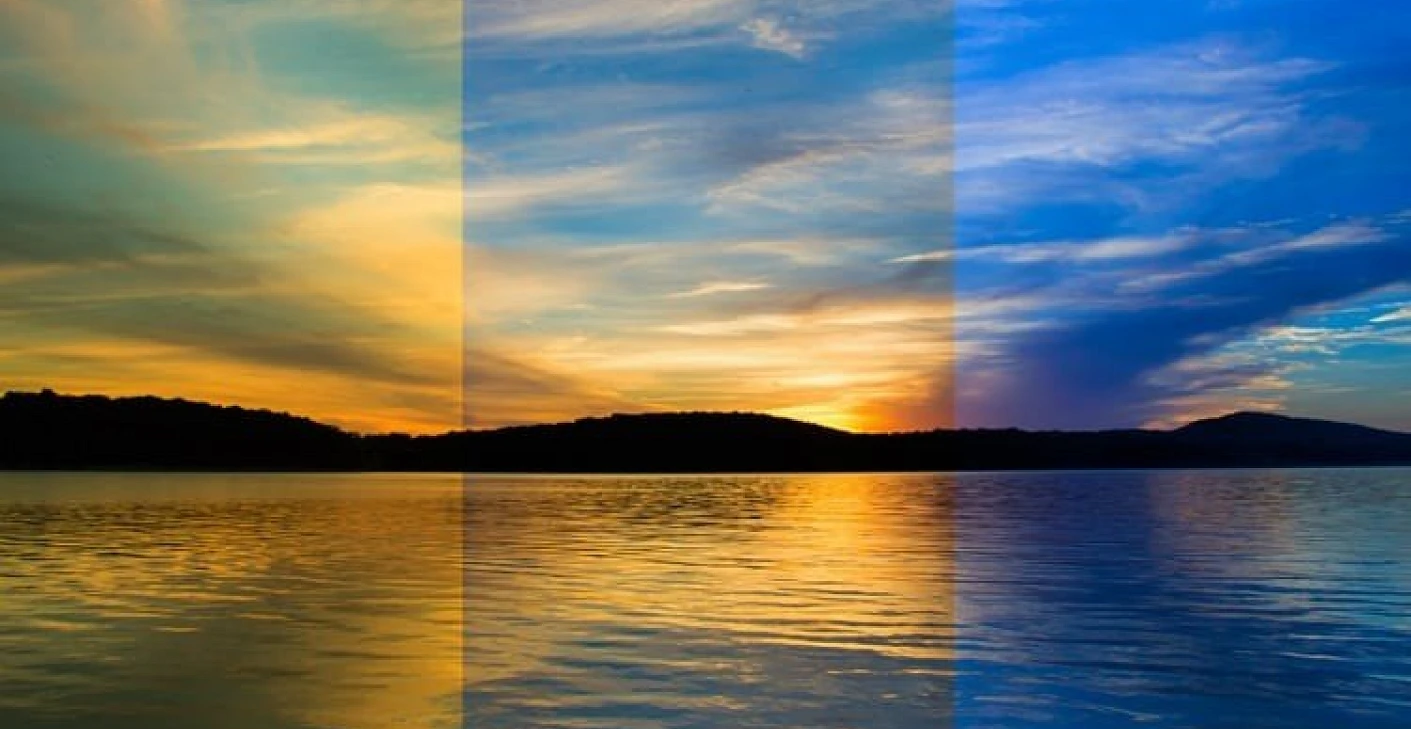
We need the white balance to compensate for the different light colors. You have probably already noticed yourself, the sunset or a lightbulb is very orange, we go into the cellar and turn on the neon tube, the light is very cold. Our brains can do that and that color difference doesn’t look that extreme.

The white balance is supposed to compensate for this and the aim of the white balance is to make white look white.

This color temperature is given in Kelvin and is very easy to remember with fire. The hotter the fire, the more bluish it becomes. Same with white balance. The hotter / higher I set the Kelvin number, the bluer the picture becomes.

The white balance in digital cameras

At the same time we had to change the camera film to change the white balance. Today a simple adjustment of the camera is sufficient. In many situations, the camera should give a good result with an automatic white balance. It automatically searches for the whitest (most color-neutral point). The camera finds this in most situations and can, if necessary, switch to the brightest point of the image if no suitable neutral point can be found. This point is then used as a reference to correct the color of the image.

Of course there are situations in which the automatic white balance just cannot work. If you photograph sophisticated subjects that do not offer neutral colors, for example, a color cast occurs. This is the case, for example, at night or with a picture that only consists of bright colors.

In all normal situations, the automatic white balance (also AWB) delivers great results. At least for normal demands. But I’ll get to that in a moment 🙂

Shoot RAW for better white balance

The RAW format offers something incredible. Because your camera does not apply color correction until after the photo has been created, we can change it in RAW format. The RAW format is a file that, uncompressed and unchanged, contains all of the information that the camera can capture. The white balance is set, but can be changed without loss in image processing with a RAW file. This does not work with a JPG (except for minimal changes).

Is RAW the solution

Isn’t the solution just to always shoot in RAW and do everything in image processing? Definitely NO. Although I have this option, I almost exclusively take photos using completely manual white balance. The pictures already look good in the camera and I can assess them directly and show them to the customer without editing them beforehand. Everyone gets a much better idea of ​​the result.

Adjust the white balance manually

Like the exposure, the white balance can of course also be set manually. I already said that the automatic does a great job, so why a manual white balance? This is especially important if you want to keep a constant visual style in a report. All images always have the same color scheme and do not change constantly because the camera is of the opinion that the color should now be 1000 K colder.

Furthermore, the coloring can be controlled much more finely. Each camera has its own color scheme. With 100 cameras, different models and manufacturers, you can set everything exactly the same (same exposure / AWB) and still get different results. This can be counteracted by manually setting the white balance. An example: If I take photos in a park at sunset and use the AWB, my pictures are significantly more yellow than with manual 5500 K. That’s why I take photos on 5500K to make the pictures look the way I would like them to. The closer I get to this result, while taking pictures, the less work I have in image processing.

When do I post something?

  1. If you are at the beginning of your photography and have not yet understood the concept, put the Karma on AWB and you will get 90% good results.
  2. As soon as you already know something better and want to experiment a little, you can apply the defaults or the completely manual value to different situations.
  3. If you want to film, you should definitely work with a manual white balance so as not to change the color in the middle of the film.
  4. If you want to get the most out of your pictures, deal with white balance in the long term and learn how to apply it to different situations.

The gray card

Now it is getting more professional, because with a gray card we offer the camera a neutral surface with which it can determine the white balance much better. We can say how the white balance should be measured and from where, and get a much more precise result.

Some write that you can have a sheet of white paper or just any white surface. I advise against that. Every surface has a specific color. The wall was painted in eggshell and not in white and it doesn’t work anymore. Who tells you that the sheet of paper is 100% white? Your own eye may even be wrong here. A gray card can help here, but the result will only be perfect with experience and you can get it by trying out 😉

Posted on

DSLR camera purchase advice

Buying DSLR: What to Look For Are you considering buying a digital single lens reflex (DSLR) camera? Are you looking for the answer for most important questions, you need comprehensive advice and reveal what to look out for when buying – from the equipment to the manufacturer?

Our DSLR buying guide will help you find the right SLR camera.

Digital single-lens reflex cameras (DSLR) deliver the best image quality of all camera types and can be used most flexibly – even if their lead over mirrorless system cameras is shrinking. That’s why more and more amateur photographers are swapping their compact cameras for a DSLR. But which DSLR model is the right one? And which one is right for you?

When buying a DSLR, you choose a system

All SLR camera manufacturers try to retain customers in the long term with inexpensive entry-level DSLRs. Because the fact is: Once you have decided on a brand, you not only buy a camera, but also commit yourself to a system – and later buy suitable lenses, flash units and accessories.

Even if photographic skills and technical requirements for the camera develop further, most photographers remain loyal to the system they have chosen, even as advanced or professional users. Accordingly, you should plan your entry into the world of digital SLR photography carefully.

What does DSLR stand for?

The abbreviation DSLR stands for Digital Single Lens Reflex. In terms of price, the cheapest and most expensive DSLR models easily differ by a factor of 10 – the differences in equipment are correspondingly large.

In this article our team has put together and answered the most important questions for you. So you are well prepared for the purchase of a DSLR camera.

What is the difference between DSLRs and other cameras?

Single-lens reflex cameras offer  two major advantages over compact cameras:

The sensors that record the image are significantly larger. This enables a considerably better image quality.

Instead of permanently installed optics, there are interchangeable lenses. In this way, the camera can be optimally adapted to every imaginable task.

The so-called bridge cameras (also known as megazoomers) play a special role. In size and appearance, they are reminiscent of a DSLR, but in fact they are classic compact cameras with a small sensor and built-in lens that covers a very large range of focal lengths from wide-angle to strong telephoto. In addition, they often offer setting options similar to those of a single lens reflex cameras.

In terms of size and weight, the mirrorless system cameras are between compact cameras and DSLRs. They are still equipped with large sensors and interchangeable lenses and are now equal to DSLRs in terms of image quality.

In general, if you don’t want to worry about camera settings when taking photos, a compact camera that makes all the important settings automatically is ideal for you. However, if you already have a basic knowledge of photography and now attach more importance to high image quality and many setting options, you cannot avoid a SLR model.

What are the advantages of DSLRs?

If it is only the image quality that counts and the purchase price only plays a subordinate role, then SLR cameras are best suited for everything, because they deliver better image quality than a compact camera in all shooting situations.

The less light is available, the greater the quality advantage the DSLR has. They score particularly well in atmospheric twilight or when taking pictures indoors without a flash unit.

A DSLR can be used flexibly thanks to interchangeable lenses (example Canon EOS-1D X Mark II with EF 400mm F2.8 lens).

In addition, DSLRs can be used universally. If you want to take photos carefree, with a suitable zoom lens and the automatic setting you can take photos as carefree as with a compact one. Conversely, thanks to the large number of different lenses and the ability to manually set all recording parameters such as sensitivity, shutter speed and aperture, you are equipped for every conceivable photographic task.

Another advantage that is often overlooked is the excellent ergonomics. The shape and weight of an SLR camera make it easy to hold and the large buttons and wheels make it easy to operate. The small compacts are often fiddly to use the buttons and difficult to hold because of the smooth (because pretty) surface. Compared to DSLRs, compact cameras are smaller, lighter and easier to use.

What are the disadvantages of DSLRs?

Of course there are also disadvantages. Size and weight score points in terms of ergonomics, but the DSLR does not fit in a jacket pocket, but is hung around the neck or carried in the hand. Neither of us does that all the time, so we miss some interesting motifs. And the purchase price of a DSLR with a few additional lenses can quickly be many times that of a compact camera.

Last but not least: Even the otherwise incredibly practical interchangeable lenses can be a disadvantage. If you don’t have the right lens with you or if you change the lens in bad weather, moisture or dirt get into the camera interior and cause problems there.

How do DSLR systems from different manufacturers differ?

Since every manufacturer cooks its own porridge, you are already determined when you start. Let’s say you start with an entry-level housing and two lenses. Then you can later buy a higher quality housing from the same manufacturer and continue to use the lenses without any problems. With a few exceptions, however, the lenses do not fit the bodies of other manufacturers.

Third-party lens manufacturers such as Sigma or Tamron offer their lenses with connections for the models of several camera manufacturers, but a lens built for Canon only fits a Canon and a lens built for Nikon only fits a Nikon.

Flash units are connected via a standardized hot shoe and look as if they can be used across systems, but they are not. Due to the complex automatic functions, you also have to replace the flash unit later when changing the system. In contrast, only simple accessories such as filters or memory cards are completely independent of the camera manufacturer.

Which DSLR systems are there? An overview:

Canon and Nikon are the top dogs in the field of large DSLRs with mirrors. They have most models and cover the entire range from entry-level ( e.g. Canon EOS 1300D , Nikon D3400 ) to professional models ( e.g. Nikon D5 , Canon EOS 5DS and 5DS R ). In addition, they score with the most extensive range of lenses and accessories.

Sony has clearly caught up in terms of depth and breadth of the range in recent years and impresses with many innovations. In addition to classic DSLRs with a fixed mirror (e.g. Sony Alpha 77 II ), they developed there. This construction principle offers a number of advantages, especially when the camera is also used for video filming. However, Sony is focusing more and more on mirrorless system cameras.

Leica, Hasselblad and Pentax with their medium format models serve the professional sector – prices in the high four-digit or five-digit range ensure that. Pentax also has a number of amateur and mid-range models in various categories, from the entry-level K-S2 to the full-frame DSLR1 .

Olympus now completely relies on the more compact models without mirrors, as do Panasonic, Fujifilm and Samsung. Sony, Canon and Nikon now also have such cameras in their ranges

The best SLR cameras with APS-C sensors

Canon, Nikon, Sony and Co: In our gallery we present the currently best DSLRs with APS-C sensors.

Are there DSLRs for specific purposes?

No. The area of ​​application of a DSLR is determined much more by the lens than by the camera itself. And here too, not only the focal length range is decisive, but also the initial opening. It determines the amount of light on the sensor and the depth of field and thus makes a significant contribution to image design.

Special DSLR properties are only required in exceptional cases. This includes:

Sports photography: In addition to a bright and long-focal length telephoto lens, a fast camera is required that can also create longer series with fast image sequences while maintaining sharpness. Professional devices such as the Canon EOS 1Dx or the Nikon D5 can do this.

Video: The top models from Canon and Nikon, on the other hand, are hardly usable for good videos in HD quality. Here, mirrorless system cameras are now more than a nose’s length ahead of DSLRs. The lens must also be optimized for video and quickly adjust the focus without overshooting the target.

Outdoor: If you use the camera in places where sand, water and dirt clog it, it should be a more robust model. They can be found primarily in the professional class with steep prices, but more and more semi-professional DSLRs also offer dust and splash protection.

I still have old lenses from the analog era – is that a purchase criterion?

Some people would say “Under no circumstance!”. New manufacturing techniques make better lenses possible, which is why modern lenses are superior to any “oldie” in terms of imaging performance. If you buy a DSLR because you want to get better pictures, working with old lenses often makes no sense. However, this is not always the true. There are some old vintage lenses that have a good quality and they are most of the time chap too.

Yet, it worths to mention: Even with suitable connections within a system, not all functions are transferred from the housing to the lens and vice versa (compatibility issues). So you lose a considerable part of the automatic functions of a camera.

What trends can be observed?

Buy your DSLR when you need it. The quality has once again improved significantly in recent years and it will remain so in the future. In addition to the trend towards larger sensors – i.e. more full-format cameras – their increasing resolution can also be observed. Faster processors also manage to store more images in less time and with better quality.

In the long term, the trend is increasingly towards mirrorless system cameras . Classic DSLRs are therefore far from being on the “Red List”. Anyone entering the DSLR world today can be sure that they will still be able to access a top quality system in many years’ time.

Posted on

Why the Used Canon EF 50mm f/1.8 II ‘Nifty Fifty’ Is Still the Best Bang for Your Buck

Discover why the used Canon EF 50mm f/1.8 II, known as the “Nifty Fifty,” remains a top-value lens in 2025. Learn about its image quality, versatility, and why it’s still a must-have for budget-conscious photographers.

Why the Used Canon EF 50mm f/1.8 II ‘Nifty Fifty’ Is Still the Best Bang for Your Buck

In the ever-evolving world of photography, where new gear is released every year with advanced features and price tags to match, there are a few pieces of equipment that defy the trends and remain relevant year after year. One of the most notable examples is the Canon EF 50mm f/1.8 II—affectionately dubbed the “Nifty Fifty.” Even as newer models and mirrorless systems take center stage, this modest prime lens continues to be a top recommendation—especially when bought used.

So why does this inexpensive lens, first released in 1990 and discontinued in 2015, still generate so much buzz in 2025? Let’s explore what makes the used Canon EF 50mm f/1.8 II a phenomenal investment for photographers of all skill levels.


A Classic That Punches Above Its Weight

The Canon EF 50mm f/1.8 II was designed as an affordable, lightweight prime lens for Canon’s EF-mount DSLR cameras. On the surface, it seems basic—plastic build, no fancy image stabilization, and a relatively slow autofocus motor by today’s standards. But when you look at what truly matters—sharpness, bokeh, and light-gathering ability—it delivers in spades.

At f/1.8, this lens excels in low-light situations and offers that creamy depth of field that’s beloved in portrait and street photography. Its optical performance rivals that of lenses many times its price, making it one of the best values in photography even decades after its release.


Outstanding Image Quality at a Budget Price

Sharpness is where the Nifty Fifty shines. When stopped down to f/2.8 or f/4, it delivers crisp, high-contrast images that are ideal for portraits, food photography, and everyday use. The color rendering is natural and pleasant, while the background blur (bokeh) is smooth and soft—especially impressive for such a small and inexpensive lens.

While wide-open performance at f/1.8 shows a bit of softness and vignetting, many photographers find these qualities add character to the image, making portraits appear more organic and film-like. And if needed, they can be corrected easily in post-processing.


Lightweight and Inconspicuous

Weighing just 130 grams (4.6 oz), the EF 50mm f/1.8 II is incredibly light and compact. This makes it perfect for travel, street photography, or just keeping your kit light and agile. Its size allows photographers to be more discreet—capturing candid moments without drawing attention to a large setup.

The minimalist design also makes it a great match for smaller Canon DSLRs, like the Rebel series. Together, they form a highly capable, budget-friendly setup that’s easy to carry all day.


Ideal Focal Length for Beginners and Pros Alike

On full-frame cameras, the 50mm focal length provides a natural field of view—very close to what the human eye sees. This makes it incredibly versatile for all kinds of photography: portraits, events, documentary, food, even landscape.

On APS-C Canon DSLRs (like the Canon Rebel T7 or 90D), the lens acts more like an 80mm equivalent. This makes it excellent for portraiture, giving flattering compression and beautiful background separation for headshots and close-ups.

Its versatility makes the Nifty Fifty an excellent tool for photographers learning the ropes or seasoned shooters looking to simplify their kit.


Still Compatible in the Mirrorless Era

Even with the rise of Canon’s RF mirrorless system, the EF 50mm f/1.8 II continues to hold value thanks to compatibility with Canon’s EF to RF adapters. This means you can easily mount this lens on newer mirrorless bodies like the EOS R, R6, or R8 without sacrificing performance.

While newer RF lenses offer faster autofocus and more modern designs, they come with significantly higher prices. The adapted EF 50mm f/1.8 II still delivers great results at a fraction of the cost.


Why Buying Used Makes Even More Sense

Perhaps the strongest argument for the EF 50mm f/1.8 II is how much value it offers when bought used. Since Canon discontinued this lens in 2015 and replaced it with the slightly more premium EF 50mm f/1.8 STM, many older copies are still floating around the market at very affordable prices—often under $75.

Used copies in good condition still perform nearly as well as new lenses, and the simple construction means there are fewer internal components likely to fail. It’s a low-risk, high-reward purchase.

When buying used, be sure to check for:

  • Smooth focusing (autofocus and manual)
  • Clean optics (no scratches, fungus, or haze)
  • Snappy aperture blades
  • Mount condition (no excessive wear)

Most of these lenses were lightly used or served as a beginner’s lens, so finding a clean example is relatively easy.


A Gateway to Prime Lens Photography

For many photographers, the EF 50mm f/1.8 II is their first prime lens—and for good reason. It opens up creative possibilities with its wide aperture and teaches important skills like composition, framing, and shooting with fixed focal lengths.

It’s often described as the lens that teaches you how to see. You move your feet instead of zooming. You learn how to anticipate shots and frame intentionally. For both hobbyists and aspiring professionals, that’s a priceless experience.


Final Thoughts

In a photography world that’s constantly evolving, the Canon EF 50mm f/1.8 II remains a shining example of why newer isn’t always better. Its combination of sharp optics, fast aperture, compact size, and unbeatable price continues to make it a favorite among photographers worldwide.

When bought used, it becomes an even smarter investment—offering tremendous value for beginners, seasoned shooters, and anyone looking to add a versatile prime lens to their Canon EF kit.

Whether you’re capturing your first portrait, traveling light for street photography, or building a budget-friendly DSLR setup, the Nifty Fifty proves that great photography doesn’t have to break the bank.

Posted on

Best Used Lenses for Sony Alpha Series Cameras

Discover the best used lenses for Sony Alpha series cameras, from budget-friendly primes to pro-level zooms. Save money and get top performance with our expert lens picks for every type of photographer.

Best Used Lenses for Sony Alpha Series Cameras

Sony’s Alpha series — both in the full-frame (A7, A9, A1) and APS-C (A6000 series) lineups — has become a favorite among photographers and videographers for good reason: it offers exceptional image quality, compact design, and a robust system of lenses. But outfitting your Sony Alpha camera with quality glass can get expensive. Fortunately, buying used Sony E-mount lenses is a smart and cost-effective way to build your kit without sacrificing performance.

In this article, we’ll explore some of the best used lenses for Sony Alpha series cameras — whether you’re shooting portraits, landscapes, events, or video. Each lens listed here offers incredible value on the second-hand market while maintaining performance that holds up in 2025.


1. Sony FE 24-105mm f/4 G OSS — The All-in-One Workhorse

If you’re looking for a single lens that can do it all, the Sony FE 24-105mm f/4 G OSS is a top pick. With a versatile focal range that covers wide to medium-telephoto, this lens is ideal for travel, events, and general-purpose photography.

Why it’s great used:

  • Excellent optical quality with sharpness across the frame
  • Constant f/4 aperture and optical stabilization
  • G-series build quality that holds up well over time
  • Often found used for 25–35% less than retail

Whether you’re shooting with a Sony A7 III or an A7R V, this lens balances well and delivers pro-level results for both stills and video.


2. Sony FE 85mm f/1.8 — The Budget Portrait King

This 85mm prime is a favorite for portrait photographers looking for dreamy background blur without the price tag of the 85mm f/1.4 GM.

What makes it a top used choice:

  • Razor-sharp wide open
  • Fast, accurate autofocus
  • Beautiful bokeh and natural rendering
  • Compact and lightweight design

It’s one of the best price-to-performance lenses in the entire E-mount lineup, and used copies are commonly available for under $400. A no-brainer if portraits are your focus.


3. Tamron 28-75mm f/2.8 Di III RXD — Affordable Speed

Third-party lenses have revolutionized Sony’s lens ecosystem, and the Tamron 28-75mm f/2.8 (original version) remains a standout. It offers a constant f/2.8 aperture for low-light and depth-of-field control, all in a compact and affordable package.

Why buy it used:

  • Excellent image quality and bokeh
  • Much cheaper than Sony’s 24-70mm f/2.8 GM
  • Fast, silent autofocus
  • Weather-sealed and durable

Used units are widely available since many photographers upgraded to the G2 version — meaning great deals for buyers looking for performance on a budget.


4. Sigma 16mm f/1.4 DC DN — Wide-Angle for APS-C Shooters

For those using Sony Alpha APS-C bodies (like the A6400 or A6600), the Sigma 16mm f/1.4 is arguably the best wide-angle prime available.

What makes it a gem:

  • Extremely sharp even wide open
  • Ideal for vlogging, landscapes, and low-light shooting
  • Beautiful bokeh for a wide lens
  • Great build quality for the price

It behaves like a 24mm full-frame equivalent and is a fan favorite among content creators. Buying it used gives you excellent value with minimal compromise.


5. Sony FE 70-200mm f/4 G OSS — Compact Telephoto Power

For sports, wildlife, events, or portraits with compression, the Sony 70-200mm f/4 G OSS offers professional results in a lighter, more affordable package than its f/2.8 counterpart.

Why it’s worth considering used:

  • Excellent sharpness and contrast
  • Built-in optical stabilization
  • Weather-sealed build
  • Strong autofocus performance

The f/4 aperture keeps it lightweight, and it’s significantly cheaper than the f/2.8 GM — especially on the used market, where it can often be found for under $900.


6. Sony Zeiss 55mm f/1.8 Sonnar T — Compact Legend*

If you’re after a fast, lightweight prime with exceptional optical quality, the Zeiss 55mm f/1.8 is a modern classic.

Highlights:

  • Incredibly sharp wide open
  • Fast, reliable autofocus
  • Iconic Zeiss color and contrast
  • Excellent build quality despite its size

It’s a favorite among wedding, street, and portrait shooters — and on the used market, it delivers high-end image quality at a mid-range price.


7. Sigma 35mm f/1.4 DG HSM Art (FE Version) — Storyteller’s Dream

The Sigma 35mm f/1.4 Art for Sony FE-mount is a dream lens for documentary, lifestyle, and environmental portraits.

Pros for used buyers:

  • Outstanding sharpness and rendering
  • Fast f/1.4 for creamy backgrounds
  • Solid metal construction
  • Often significantly cheaper than Sony’s 35mm GM

Because Sigma’s build is robust, used versions often perform just as well as new ones — with a noticeable price drop.


8. Rokinon/Samyang AF 35mm f/1.8 or 45mm f/1.8 — Small Budget Primes

If you’re looking for affordable lightweight primes, Rokinon (a.k.a. Samyang) offers great value with their autofocus 35mm and 45mm lenses.

Why they’re smart used buys:

  • Sharp and compact
  • Fast apertures for shallow depth of field
  • Great for travel and everyday use
  • Often under $250 on the used market

They’re ideal for casual shooters or those starting to build a prime lens kit without breaking the bank.


9. Sony FE 20mm f/1.8 G — Wide and Wonderful

For landscapes, astrophotography, or creative video, the Sony 20mm f/1.8 G is a surprisingly powerful prime.

What makes it a great used pick:

  • Stellar corner-to-corner sharpness
  • Lightweight and fast
  • Excellent for video gimbal work
  • G-series durability and value

It’s still relatively new, but used units do appear — and they hold up well due to strong construction.


Buying Used Lenses: Tips for Sony Shooters

When buying used lenses for your Sony Alpha, keep the following in mind:

  • Test autofocus if possible — especially for third-party lenses
  • Check for optical scratches, haze, or fungus
  • Inspect mount wear and rings for smooth operation
  • Buy from reputable sellers that offer a return policy or warranty

Sony’s mirrorless system is more reliant on electronic communication than older DSLR setups, so always ensure that used lenses function fully with your body.


Final Thoughts

Buying used lenses is one of the smartest ways to expand your Sony Alpha system. Whether you’re a beginner building a starter kit or a pro looking to save on high-end glass, the used market is filled with excellent options.

From the legendary Zeiss 55mm to the ultra-useful 24-105mm G, there’s a used lens out there for every Sony shooter — and every budget.

Posted on

The Best Used Lenses for Wildlife and Nature Photography

Discover the best used lenses for wildlife and nature photography. Explore affordable telephoto and wide-angle lens options for Canon, Nikon, Sony, Sigma, and Tamron that deliver stunning results on a budget.

The Best Used Lenses for Wildlife and Nature Photography

Wildlife and nature photography demand specialized gear to capture subjects that are often distant, elusive, and in constant motion. Telephoto reach, fast autofocus, and sharp optics are essential for bringing the beauty of the natural world into stunning focus. However, new professional-grade lenses can be prohibitively expensive, especially for hobbyists and aspiring photographers.

The good news is that the used lens market is filled with excellent options that deliver professional-level performance at a fraction of the original price. Whether you’re shooting birds, mammals, or scenic landscapes, investing in used lenses for wildlife and nature photography is a smart and budget-friendly approach.

In this article, we’ll explore the best used lenses across popular brands—Canon, Nikon, Sony, and more—that excel in capturing wildlife and nature in all their glory.


What to Look for in a Wildlife/Nature Lens

Before diving into specific lens recommendations, it’s important to understand the key features that matter most in wildlife and nature photography:

  1. Focal Length (Reach): A long focal length (300mm and above) is crucial for photographing distant subjects without disturbing them.
  2. Aperture: Wide apertures (f/2.8–f/5.6) allow for faster shutter speeds and better low-light performance.
  3. Autofocus Speed & Accuracy: Fast-moving subjects require lenses with reliable autofocus tracking.
  4. Image Stabilization (IS/VR/OSS): Helps in reducing camera shake when shooting handheld, especially with long telephoto lenses.
  5. Build Quality & Weather Sealing: Nature photographers often shoot in harsh environments, so robust construction is a plus.

Best Used Canon Lenses for Wildlife Photography

1. Canon EF 100-400mm f/4.5-5.6L IS USM (Version I)

  • Focal Length: 100-400mm
  • Why it’s great: A versatile telephoto zoom with excellent reach, solid image quality, and built like a tank.
  • Image Stabilization: Yes (2-stop IS)
  • Used Price Range: $600–$900
  • Ideal For: Bird photography, safaris, and general wildlife shooting.

2. Canon EF 400mm f/5.6L USM

  • Focal Length: 400mm prime
  • Why it’s great: Lightweight, razor-sharp, and fast-focusing. While it lacks IS, its optical performance is outstanding for its price.
  • Image Stabilization: No
  • Used Price Range: $800–$1000
  • Ideal For: Birds in flight, wildlife in good lighting conditions.

Best Used Nikon Lenses for Wildlife Photography

3. Nikon AF-S 300mm f/4D IF-ED

  • Focal Length: 300mm prime
  • Why it’s great: A sharp and compact telephoto prime known for its excellent optical performance.
  • Image Stabilization: No (but sharp enough to compensate)
  • Used Price Range: $500–$700
  • Ideal For: Wildlife in controlled or good light settings.

4. Nikon AF-S 200-500mm f/5.6E ED VR

  • Focal Length: 200-500mm
  • Why it’s great: A budget wildlife photography powerhouse, offering incredible reach and sharpness with VR.
  • Image Stabilization: Yes (VR)
  • Used Price Range: $900–$1200
  • Ideal For: Bird photography, wildlife at a distance, safaris.

Best Used Sony Lenses for Wildlife Photography

5. Sony FE 100-400mm f/4.5-5.6 GM OSS

  • Focal Length: 100-400mm
  • Why it’s great: Professional-grade zoom with lightning-fast autofocus, optical excellence, and OSS stabilization.
  • Image Stabilization: Yes (OSS)
  • Used Price Range: $1600–$2000
  • Ideal For: Wildlife, sports, nature photography with Sony mirrorless cameras.

6. Sony FE 70-300mm f/4.5-5.6 G OSS

  • Focal Length: 70-300mm
  • Why it’s great: A more budget-friendly zoom for Sony users, offering solid reach and stabilization.
  • Image Stabilization: Yes (OSS)
  • Used Price Range: $900–$1200
  • Ideal For: Wildlife enthusiasts who need a versatile, lightweight telephoto option.

Best Used Third-Party Lenses for Wildlife

7. Sigma 150-600mm f/5-6.3 DG OS HSM Contemporary

  • Mounts: Canon EF, Nikon F
  • Focal Length: 150-600mm
  • Why it’s great: Exceptional reach with reliable autofocus, lightweight compared to its “Sports” sibling, and excellent value.
  • Image Stabilization: Yes (OS)
  • Used Price Range: $800–$1000
  • Ideal For: Birders and wildlife photographers needing extra focal length without breaking the bank.

8. Tamron SP 150-600mm f/5-6.3 Di VC USD (G1)

  • Mounts: Canon EF, Nikon F
  • Focal Length: 150-600mm
  • Why it’s great: Tamron’s first-generation ultra-telephoto zoom, offering solid sharpness and effective stabilization.
  • Image Stabilization: Yes (VC)
  • Used Price Range: $700–$900
  • Ideal For: Beginners and hobbyists looking to get into wildlife photography.

Great Used Lenses for Nature & Landscape Photography

While wildlife photographers often seek telephoto lenses, nature and landscape shooters benefit from wide-angle and mid-range zooms to capture vast scenic views.

9. Canon EF 17-40mm f/4L USM

  • Focal Length: 17-40mm
  • Why it’s great: An affordable wide-angle L-series lens perfect for landscapes, with robust weather sealing.
  • Used Price Range: $350–$500
  • Ideal For: Nature landscapes, wide scenic shots, waterfalls.

10. Nikon AF-S 16-35mm f/4G ED VR

  • Focal Length: 16-35mm
  • Why it’s great: Sharp, stabilized wide-angle zoom ideal for landscape and nature photography.
  • Used Price Range: $600–$800
  • Ideal For: Handheld landscape shooting, wide nature scenes.

11. Sony FE 16-35mm f/4 ZA OSS Vario-Tessar T*

  • Focal Length: 16-35mm
  • Why it’s great: High-quality wide-angle zoom with OSS, perfect for landscape and nature photography.
  • Used Price Range: $800–$1000
  • Ideal For: Travel, landscapes, forest photography.

Why Buy Used Lenses for Wildlife and Nature Photography?

  1. Significant Cost Savings: Used lenses can save you 30–50% compared to new models, especially in the telephoto range where prices are steep.
  2. High-Quality Optics Age Well: Lenses, especially professional-grade telephotos, are built to last and deliver consistent optical performance for years.
  3. Access to Specialized Lenses: You can afford specialty lenses (like a 600mm zoom) that might be out of reach if bought new.
  4. Expand Your Kit Faster: With the money saved, you can invest in accessories like sturdy tripods, gimbals, and camouflage covers.

Tips for Buying Used Wildlife Lenses

  • Inspect for Wear and Tear: Check the lens barrel, mount, and filter threads for signs of damage.
  • Test Autofocus Performance: Ensure the lens locks focus quickly and accurately.
  • Check Image Stabilization Functionality: For lenses with IS/VR/OSS, verify that stabilization is operational.
  • Inspect Optics for Dust and Fungus: Shine a flashlight through the lens to spot any internal issues.
  • Buy from Reputable Sellers: Opt for camera stores with return policies or warranty options when possible.

Conclusion

Capturing breathtaking images of wildlife and nature doesn’t require the latest and most expensive gear. The used lens market is filled with exceptional telephoto and wide-angle lenses that can meet the demands of serious photographers while being gentle on your budget.

Whether you need the reach of a Sigma 150-600mm for bird photography or the wide, sweeping views of a Canon 17-40mm for landscapes, there are numerous used lenses that deliver professional results without the premium price tag.

With thoughtful research and careful inspection, you can build a wildlife and nature photography kit that allows you to explore the great outdoors and bring home images that do justice to its beauty.

Posted on

How to Overcome the Problem of Converging Verticals

When taking photos of structures one of the challenges that confronts professional photographers is that of Converging Verticals? Converging Verticals is a term utilized to describe the impact in images when 2 parallel lines in an image (such as the two sides of a building) appear to get closer (converge)- as if they are leaning in towards one another at the top (as in the picture to the left which is of the Rialto towers in Melbourne- towers that do not get narrower towards the top up until the last few floorings). The result is most obvious when you angle your camera up when taking a picture of a high structure in an effort to fit all of it in. It’s particularly obvious when utilizing a wide angle lens.

What should a photographer do about converging verticals?

Professional photographers have a number of alternatives available to them.

Improve it – as with all types of distortions in photography- one alternative is to improve it and utilize the Converging Verticals to attain a more remarkable image. You can enhance the assembling lines, however, getting closer to the structure, angling your video camera even more and by using wider angle lenses.

Reduce it – if you desire to avoid the converging verticals in electronic camera you will most likely need to move further back from the structure that you’re photographing. This will mean you will probably get more of the foreground in your end image- but you can always crop this later on. Another method to get more parallel to the building is to take the shot from higher up.

Correct it – if you are not able to alter the point of view that you are shooting from and just end up with assembling lines in your shots another option is to do some post production editing. Most image modifying software will have some way of doing this. For example, in Photoshop Elements there’s a ‘Transform- Viewpoint’ option in the ‘Image’ menu. This is how the image to the right had its converging verticals corrected.

Modification Lenses – finally, if you have a budget plan and will be taking a great deal of architectural images you may like to invest in a unique lens that has the capability to correct converging verticals. These Viewpoint Control/Tilt Shift lenses are able to move the lens axis (or optical centre) to make up for the distortion. Such lenses are not inexpensive – so unless you’re going to be getting seriously into the photography of buildings you may wish to utilize one of the other choices mentioned above to repair the problem of converging verticals.

Posted on

Wide angle lens – lens advice

What is a wide angle lens? All lenses with a very short focal length are called wide-angle . The focal length here is roughly between 10mm & 40mm. But what does that mean? Such a short focal length has a significantly larger angle of view than the human eye. We would have to turn our heads to capture the entire scene (or use both eyes 😉) The camera can capture all of this in one picture. So we can easily get a very large subject or a normal subject with little space in one picture.

What can I use a wide angle lens for?

Wide-angle lenses are very popular in landscape photography, but can be used in all areas. Whenever you have a large subject or there is not much space available, a wide angle is used. It can now be a gigantic landscape, a large building, or a small apartment that is to be rented out. Yes, it is also great to use a wide-angle lens in a small apartment, because it not only makes the apartment look bigger, but is also the only way to get the entire space in the picture.

In which areas is a wide angle still used?

Actually, whenever I want to show a lot of the surroundings. This can of course also be the case with a portrait. As you can see in this example, you can see the details in the picture as well as an incredible amount of the background. If I go more into the partial area and use a 35mm lens instead of a 17mm, we still have a lot of background in the picture, but significantly less than before.

Wide angle shot at 35mm

Wide angle shot at 17mm

The wide angle effect

Taking pictures with one has a certain effect on your pictures. First of all, everything seems bigger. The distance between the individual elements in your photo looks like there are several meters between them. The smaller the focal length, the stronger this effect is.

Subjects that are very close to the camera appear very large and puffed up and the further you are away from the camera, the smaller everything looks. I have the following example for you.

The arm in the picture looks huge, but the head is almost normal

Wide angle distortion

The extreme angle of view that a wide-angle lens brings with it not only results in the wide-angle effect, but also other distortions that cannot be avoided.

Here one speaks of a perspective distortion. The shorter the focal length , the closer the subject and the greater the angle of inclination, the stronger this effect becomes.

A perfect example of this is supportive lines. If you photograph lines (for example of high-rise buildings) from below or from above, it looks as if the lines are falling over. This can also happen if the lines are on the edge of the image.

This effect can be avoided by photographing the building from the front on the same level as possible. However, this is not always necessary, because it sometimes looks great when you integrate the effect of the “falling lines” in your subject and intensify it even further with a deep perspective.

The lanterns on the side lean slightly towards the centre as the picture was photographed from a deep perspective

No crashing lines as the picture was just photographed from a higher perspective

Focus range with the wide-angle lens

If you want to work a lot with a low focus range, it is difficult with a wide angle. Because the shorter the focal length , the larger the focus area. A diaphragm 4 on a wide angle therefore has a significantly larger field of focus than on a telephoto lens. You should definitely keep this in mind when buying a wide-angle lens. If you like to take photos with blurring, you should either pay attention to a large revelation when buying or use the normal lens. Because an aperture 1.8 on a 50mm, for example, cannot be compared with a 1.8 on a wide-angle lens e.g. B. 18mm.

Posted on

Camera Hardware Improvements for DSLR’s

Naturally, the terrific strides forward in digital SLR innovation (and digital photography in general) aren’t restricted to sensor advancements. Other elements of the electronic cameras, including lenses and devices, have seen significant enhancements, too. Here are some of the most important:

Digital Signal Processing (DSP) chips

As sensors get more and much better information, advanced signal processing chips have actually to be developed to transform the analogue information caught to digital format, while enhancing it to produce much better images. Some cams have two DSP chips to improve throughput even more.

Built-in High Dynamic Range (HDR) photography

Among the limitations of digital sensors is their inability to tape-record details in both the brightest highlights and darkest shadows at the same time. Some suppliers, consisting of Sony, are pioneering electronic cameras with the capability to snap off several exposures in a row, and after that integrate them to produce an optimized, “HDR” image. Within a few years, I expect that either sensing units will improve to the point where built-in HDR isn’t needed or, if not, this will end up being a basic feature in all DSLRs.

Global positioning system (GPS) tagging

Almost any DSLR can be fitted with some sort of GPS tagging device. There are a lot of reasons marking each picture with information on where and when it was taken is useful that GPS tagging need to be a basic feature within five years, also.

More common WiFi assistance

Anticipate to see more cameras with assistance for WiFi, either constructed right into the electronic camera, or, as is now the case, in the form of menu setup options (discovered in numerous Canon and Nikon DSLRs) readily available to anyone who inserts an Eye-Fi card in their video camera (The Eye-Fi company ceased business in 2016, yet, there are other alternatives). Today, you can upload your images immediately to any social media, immediately, as you shoot, if you lie near a WiFi hotspot. When “tethering” becomes more prevalent, your camera will piggyback onto the instant WiFi hotspots that will be offered by your iPad/tablet computer system, smart device, MiFi gizmo, or other gadget no matter where you are.

Storage innovations

More cams have double memory card slots, enabling you to shoot longer (utilizing “overflow” mode); replicate your images onto two cards for security or instant sharing (in “backup” mode); or do even more effective backup by saving RAW files on one card, and a JPEG variation on the other. Some electronic cameras allow you to choose which of your 2 cards will be utilized for, state, movies, which benefit from storage on “faster” memory cards (if the pair in your cam are unequal in speed). Naturally, capacities and speeds of the cards themselves are enhancing: 64GB Compact Flash and Secure Digital cards have actually lastly become budget-friendly, and new requirements with higher capacities and faster speeds, like SDXC have promise when more video cameras (and other gadgets) support them. Nikon, SanDisk, and Sony have unveiled specifications for a much faster type of Compact Flash sd card, too, with transfer rates of as much as 500MB/s, instead of the 167MB/s limit of the most current Compact Flash 6.0 requirement.

3D photography

Now we’re seeing 3D tv sets, and cameras from vendors like Sony that can produce 3D images using a single optical system (although you may have to view them in the electronic camera, doing not have an easy alternative playback system). My opinion is that 3D imaging will peak as soon as again really soon and then die away up until the next hardware innovation comes along that makes it slightly less impractical than today.

Other Bits and Pieces

Digital SLRs are ending up being smaller in size, particularly in the area of Four Thirds format cameras. More cameras have rotating LCDs that let you adjust your angle of view for Live View shooting or image evaluation.

Rise of the anti-DSLR

So-called electronic-viewfinder/interchangeable lens (EVIL) video cameras are changing DSLRs for some applications where compact size is valued. These cams do not have a mirror. Sony has already introduced slightly bulkier cameras that do have a mirror, but which use the non-moving, semi-transparent mirror to bounce part of the light to an auto-focusing part instead of to a watching system.

Posted on

Best Used Zoom Lenses for Wildlife: Canon, Nikon, and Sigma Compared

Discover the best used zoom lenses for wildlife photography in 2025. Compare top models from Canon, Nikon, and Sigma, with expert tips on what to look for when buying used.

Best Used Zoom Lenses for Wildlife: Canon, Nikon, and Sigma Compared


Wildlife photography is one of the most thrilling genres, demanding precision, patience, and the right gear to capture fleeting moments in nature. While prime lenses have their place, zoom lenses offer the versatility wildlife shooters need, especially when tracking unpredictable animals at varying distances. But top-tier zoom lenses are often expensive—this is where the used lens market shines. In this article, we’ll compare the best used zoom lenses for wildlife photography from Canon, Nikon, and Sigma, helping you find the right lens for your needs and budget.


Why Consider Used Zoom Lenses for Wildlife?

Buying used zoom lenses makes financial and practical sense. Wildlife lenses—especially long telephotos—tend to be built like tanks, with robust weather sealing and durable components that can handle years of use. When purchased from a reputable seller, used lenses often perform nearly as well as new ones, at a fraction of the price. This allows photographers to upgrade their gear without breaking the bank.


What to Look for in a Wildlife Zoom Lens

Before jumping into specific lens models, let’s outline key features to consider when selecting a used wildlife zoom lens:

  • Focal Length Range: Wildlife demands reach—typically 300mm to 600mm is ideal.
  • Image Stabilization (IS/VR/OS): Vital for handholding at long focal lengths.
  • Autofocus Speed & Accuracy: Fast and silent autofocus is crucial for tracking moving subjects.
  • Build Quality: Weather sealing and rugged construction matter when shooting outdoors.
  • Weight: Balancing reach and portability is key, especially for long field sessions.
  • Compatibility: Ensure the lens works seamlessly with your camera body’s autofocus and metering systems.

Top Used Canon Zoom Lenses for Wildlife

Canon EF 100-400mm f/4.5-5.6L IS II USM

  • Why it’s great: Arguably Canon’s most popular wildlife zoom, this L-series lens offers excellent sharpness, fast autofocus, and outstanding image stabilization.
  • Pros: Weather-sealed, lightweight for its class, push-pull zoom replaced with a rotating design.
  • Used price (2025): $1,000–$1,300
  • Best for: Birding, safari, general wildlife in good light.

Canon EF 70-300mm f/4-5.6L IS USM

  • Why it’s great: A compact L lens with superb image quality across the range.
  • Pros: Compact size, strong build, sharp wide open.
  • Used price: $500–$750
  • Best for: Wildlife parks, hiking, beginners stepping into long-range shooting.

Top Used Nikon Zoom Lenses for Wildlife

Nikon AF-S 200-500mm f/5.6E ED VR

  • Why it’s great: A legendary Nikon telephoto zoom that offers incredible reach and image quality at a reasonable price point.
  • Pros: Constant aperture, VR, sharp even at 500mm.
  • Used price: $800–$1,100
  • Best for: Bird and mammal photography on Nikon F-mount DSLRs.

Nikon AF-S 80-400mm f/4.5-5.6G ED VR

  • Why it’s great: More versatile than the 200-500mm and still excellent in terms of sharpness and speed.
  • Pros: Wide focal range, good VR, fast focusing on newer Nikon bodies.
  • Used price: $900–$1,200
  • Best for: Travel wildlife photographers wanting range without bulk.

Top Used Sigma Zoom Lenses for Wildlife (Canon & Nikon Mounts)

Sigma 150-600mm f/5-6.3 DG OS HSM Contemporary

  • Why it’s great: Incredible value with 600mm reach, strong performance, and lighter than most.
  • Pros: Optical stabilization, weather sealing, affordable.
  • Used price: $700–$950
  • Best for: Entry-level and intermediate wildlife photographers needing big reach.

Sigma 150-600mm f/5-6.3 DG OS HSM Sports

  • Why it’s great: A step up from the Contemporary version with better build, weather sealing, and optical performance.
  • Pros: Professional-grade build, customizable via USB dock, superb image quality.
  • Used price: $1,100–$1,400
  • Best for: Pro-level or serious hobbyist wildlife shooters who need reliability in harsh conditions.

Head-to-Head Comparison

LensMax ReachWeightImage StabilizationWeather SealingUsed Price
Canon 100-400mm II400mm1.6kgYesYes$1,000–$1,300
Nikon 200-500mm500mm2.3kgYesPartial$800–$1,100
Sigma 150-600mm C600mm1.9kgYesYes$700–$950
Sigma 150-600mm S600mm2.9kgYesYes (Pro)$1,100–$1,400

Verdict:

  • Best Budget Reach: Sigma 150-600mm Contemporary
  • Best Overall Performance: Canon 100-400mm II or Sigma 150-600mm Sports
  • Best Nikon Pick: Nikon 200-500mm f/5.6E

Tips for Buying Used Wildlife Zoom Lenses

  1. Inspect for Dust, Fungus, or Scratches: Use a flashlight to inspect internal glass.
  2. Check Image Stabilization and AF: Ensure stabilization activates and focus motors are fast and silent.
  3. Test for Creep and Zoom Smoothness: Older zooms may have zoom creep or sticky barrels.
  4. Buy from Trusted Sellers: Look for warranties, return policies, and reputation.
  5. Factor in Accessories: Tripod collars, lens hoods, and cases can add value.

Final Thoughts

Used zoom lenses from Canon, Nikon, and Sigma offer incredible value for wildlife photographers in 2025. Whether you’re a beginner looking for reach or a seasoned shooter wanting dependable optics without the premium new price tag, there’s something in the used market for everyone.

While Canon and Nikon offer top-tier OEM options, Sigma’s third-party offerings deliver exceptional bang for the buck—especially at the long end of the focal range. Whichever you choose, a good wildlife lens is an investment that pays off in unforgettable images of nature at its finest.