Posted on

How to Prepare Your Images for Printing

Select a Picture When you prepare your images for printing take note of which pictures you like when you look at them on your phone or computer. Of course, it is an important decision what are going to hang on your wall. Especially if it is going to be here for a long time. Your choice is probably depends on the emotions it evokes, the colours or the technical excellence of the picture. Find the exact image that you are looking for.

File Format and Resolution

When you prepare your images for printing for the optimal production use the highest resolution available, don’t change the resolution and don’t resize up or down your photo. Ideally you don’t want to compress your image at all. You can test your picture in some easy-to-use configurator (like WhiteWall) to optimise your file and to achieve the best possible quality. Save it with 8-bit colour and an sRGB colour space.

Colour and Brightness

Don’t forget that colour and brightness can appear different on a monitor than they do in print. There are three reasons for this. The first reason is that a monitor is illuminated and the paper isn’t. Therefore a monitor a monitor can display a photo much brighter than the picture actually is (which is how it will look printed). The second reason is that different papers have their own base tone. It means that a pure white will look different from appear to paper, affecting the overall brightness of the colour. The third reason is that depending on the specifications of the printer such as the dots per inch (DPI), the print-head capability and the type and quality of ink/toner used is also going to affect the colour and the print quality.

For Soft Proofing Use ICC Colour Profiles

What is Soft proofing?  lets you temporarily simulate how an image will appear on another device, such as a printer, by using only a computer monitor. An ICC profile is a set of data that describes the properties of a colour space, the range of colours (gamut) that a monitor can display or a printer can output. The most widely used colour space is Adobe RGB (1998). If you have a calibrated monitor, ICC profiles are the perfect way to asses how your pictures will look on the final product. You can find downloadable ICC colour profiles on the internet for many product options.

Do Test Prints

If you do not have a calibrate monitor or if you don’t want to spend too much time assessing the variables of different things that are affecting your final product, you can do a test printing, which is a hard proof option to see if you need to change anything in order to have a perfect photo.

Best Camera for Photo Printing

If you want to take photos to print them out, perhaps choosing the right camera is the most important. Please notice that print size doubles, the megapixels required increases as well. Therefore, you can make a nice 8″ x 10″ print with a 6 or 8 megapixel camera. But to make a real photo quality 16″ x 20″ print, you would need between 24 and 30 megapixel camera.

Posted on

2020 TIPA Winning Cameras and Lenses

In Madrid The Technical Image Press Association(TIPA) announced the winners of the 2020 TIPA World Awards. What is TIPA?

The TIPA Award is widely regarded as one of the best known and most prestigious photography awards. . TIPA both recognise and honour industry companies and their products and serve as an important benchmark and guide for consumers in making their purchasing decisions.

Since 1991, the TIPA World Awards logos have shown which are the best photographic, video and imaging products each year. For over 25 years, the TIPA World Awards have been judged on quality, performance and value, making them the independent photo and imaging awards you can trust. I cooperation with the Camera Journal Press Club of Japan (www.tipa.com)

The TIPA jury is made up of the world’s best-known photography and imaging professionals.

2020 TIPA World Awards Process

Finalists are usually voted on at the TIPA general assembly by representatives from TIPA member magazines from around the world. The assembly was originally scheduled for mid-March in Las Vegas. However, when travel restrictions were established, the TIPA board implemented product recommendations and an online voting procedure for members globally.

Based on detailed tests and comparisons, a list of candidates and laureates are compiled.

List of 2020 TIPA winning products:

Cameras

  • Best DSLR Advanced Camera: Canon EOS 90D
  • The best DSLR Expert camera: Nikon D780
  • Best DSLR Professional Camera: Canon EOS-1DX Mark III
  • Best APS-C Advanced Camera: Nikon Z 50
  • Best APS-C Expert Camera: Sony A6600
  • Best APS-C Professional Camera: Fujifilm X-Pro 3
  • Best Full-Frame Expert Camera: Sigma fp
  • Best Full-Frame Professional Camera: Sony A7R IV
  • Best Full-Frame Photo / Video Camera: Panasonic Lumix DC-S1H
  • Best Medium Format Camera: Fujifilm GFX100

Lenses:

  • Best DSLR – Prime lens: Tamron SP 35mm f / 1.4 Di USD
  • The best DSLR macro lens: Laowa 100mm f / 2.8 2x Ultra Macro APO
  • Best DSLR – wide angle zoom lens: Tokina ATX-i 11-16mm f / 2.8 CF
  • The best DSLR – professional lens: Nikon AF-S Nikkor 120-300mm f / 2.8E FL ED SR VR
  • The best MFT lens: Panasonic Leica DG Vario-Summilux 10-25mm f / 1.7 ASPH
  • Best without mirror – Prime Standard lens: Nikkor Z 58mm f / 0.95 S Noct
  • The best mirrorless – wide-angle zoom lens: Sigma 14-24mm f / 2.8 DG DN Art
  • The best without mirror – Standard zoom lens: Sigma 24-70mm f / 2.8 DG DN Art
  • The best mirrorless – Telephoto zoom lens: Canon RF 70-200mm f / 2.8L IS USM
  • Best Professional Portrait Photo Lens: Canon RF 85mm f / 1.2L USM (DS)

Compact cameras

  • Best Expert compact camera: Sony RX100 VII
  • Best Vlogging compact camera: Canon PowerShot G7 X Mark III
  • Best Premium Compact Camera: Fujifilm X100V
Posted on

Sony-D Lenses

The short answer – Sony-D lenses are Sony-A lenses that have Advanced Distance Integration. D lenses have 8 contacts, non-D lenses have 5 contacts.

Buying Sony lenses could be confusing. So before I go straight to the explanation of what is Sony-D, I will explain the main differences and the evolution of the Sony lenses.

Sony produces cameras with two lens mount systems: E-mount and A-mount. E-mount is used on mirrorless camera bodies. While A-mount lenses are for the standard Sony unique Translucent Mirror type camera bodies. Yet, using the Sony lens adaptors like LA-EA1, LA-EA2, LA-EA3 or LA-EA4, A-mount lenses can also be used effortlessly on E-mount cameras.

The A-mount was originally Konica Minolta A-mount camera system, which is now used with Sony. Sony A-mount  lenses are optically, mechanically and electrically identical to their Minolta predecessors Therefore, all Minolta AF (i.e. Minolta a-mount) lenses from Minolta are compatible with Sony alpha cameras. The older Minolta lenses for film cameras could be used on modern Digital SLR cameras.

The list of existing Sony A-mount lenses on Wikipedia.

Sony-A mount lenses in our web shop.

Also, could be confusing that the Sony-A mount is also called Sony α (the lower case to Greek letter alpha, often transliterated as Sony Alpha). To make it more complicated, Sony has caused even more confusion. Before, if the camera was an Alpha, it had an A-mount or alpha mount. If it was a Nex camera, it had an E-mount. Sony has come out with Alpha E-mount cameras. So it is good to be aware that not all Alpha cameras have Sony-A mount. If the camera says E-mount, it is not compatible with Minolta (and Sony-A) lenses without the Fotodiox lens mount adaptor. This found this website very useful when it comes to lens and camera compatibility.

Of course, as like many other models the Sony lenses are also going through transformation and development. The old Minolta lenses are not all D lenses, while most modern Sony-A lenses are all D lenses. You can quickly tell if a lens is a D lens or not by counting the number of contacts on the lens mount. D lenses have 8 contacts, non-D lenses have 5.

I have collected here some of the best explanations from different forums that explain why Sony-D lenses are better than non-D lenses:

” That doesn’t have anything to do with the ‘D’ designation. In Minolta/Sony ‘talk’ the ‘D’ indicates that the lens has the ‘D’ chip, which gives distance information to the body. You’re thinking that the ‘D’ means that the lens is optimized for digital cameras. However, as Minolta used the ‘D’ before digital came out.”

“Sony now uses the term “distance encoder” in its lens descriptions, which as far as I know means the same thing as “Advanced Distance Integration” (ADI). Personally, I’ve never noticed that using ADI makes much difference in results.”

“The Minolta 24-105mm f3.5-4.5 (D) Lens was one of the first lenses with ADI (Advanced 
Distance Integration) flash metering system. The D indicates Distance integration”

“Sony-D-compatible” means the lens has 8 electrical contacts rather than 5 which allows additional data to be exchanged between camera body and lens, and that the lens sends focus distance information back to the body. The body can use the distance information to adjust the flash output if you select ADI flash mode. 8 pin lenses started appearing with the Minolta xi range (about 1993, I think), but ADI only came in about 2000 (with the Minolta 5/7/9 series cameras). Many treasured legacy lenses (e.g. the Beercan) are only 5 pin, and even today some current lenses are still only 5 pin, e.g. the excellent Tokina 11-16/2.8.”

” The ‘D’ function was originally designed by Minolta to help with flash exposures when the subject was against a reflective background. The ‘D’ lenses were designed to work with the 5600HS D flash, and a body that was able read the ‘D’ distance information.

“This is how it works: Suppose you wanted to take a picture of a subject standing 10′ in front of you. Two feet behind the subject is a highly reflective surface. Normally, if you try and take a picture in this type of situation, the picture would come out with the subject being underexposed. This is because the light from the flash bouncing back from not only the subject, but the reflective background. Because of this strong reflection, the light output from the flash would be cut off before the subject is properly illuminated.”

“With the ‘D’ system in place, the camera would know that you are focusing on a subject ten feet in front of you. Therefore the reflection from the background would be disregarded, as it is further away from your focused point. If you were to shift focus to the reflective background, then the camera would then measure the light from the reflective background and not the darker foreground.”

“I believe every Minolta/Sony DSLR from the Maxxum 9 could take advantage of the ‘D’ chipped lenses and ‘D’ flashes. I’m not sure if Sony was found other uses for the distance information in the newer cameras.”

Posted on

Common Canon fit Abbreviations

This article is focusing on common Canon fit photography terms, acronyms, & abbreviations, which are used on Canon lenses. In addition other brands as well, such as Sigma and Tamron, that can be used on Canon digital cameras.

Common Canon Abbreviations

SLR – single-lens reflex camera – typically uses a mirror and prism system (hence “reflex” from the mirror’s reflection) that permits the photographer to view through the lens and see exactly what will be captured.

Digital SLR or DSLR – a digital camera that combines the optics and the mechanisms of a single-lens reflex camera with a digital imaging sensor, as opposed to photographic film.

Canon FL lens mount – FL fit was before 1964.

Canon FD lens mount FD fit was before 1987.

EF mount was introduced in 1987.

EF – electronic focus.

EF-S (introduced in 2003) designed for EOS DSLR models with a compact sized sensor – APS–C (Advanced Photo System Cropped frame) sensor size – lenses lighter and smaller, greater wide-angle choice.

RF mount (introduced in 2018) implements a 12-pin connection between the camera and the lens, a 50% increase over the 8 pins found on the EF mount. Along with more data channels, provides higher speed data transfer for extremely fast AF, enhanced image stabilization and image quality optimization. Canon EF and EF-S lenses can be used on cameras that have the RF mount with mount adapters.

EF-M (introduced in 2012) – more compact compared to the EF and EF-S range, designed exclusively for use with EOS M cameras.

IS – image stabiliser (Canon).

L – Designation for Canon’s professional line of lenses. While more expensive than consumer-grade lenses, these are compatible with Canon Rebel cameras and all use the Canon EF mount. If the lens has a red line, the lens is part of Canon’s L series.

AFD – Arc-Form Drive is the first autofocus motor used in Canon EF lenses. Louder and slower than USM motors. Slower reaction time and no full-time manual focus override. If an autofocus Canon lens has no indication on its barrel what sort of AF motor is used, it is either AFD or MM.

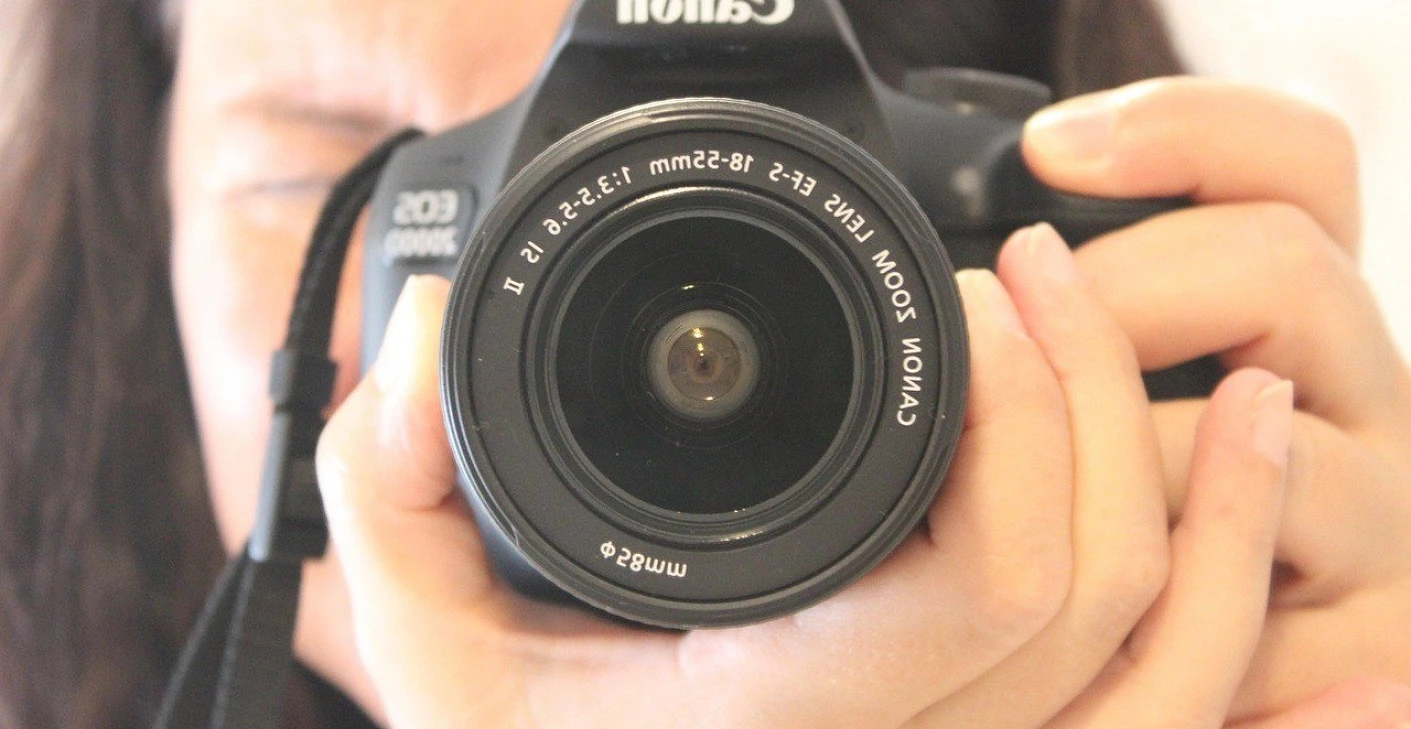
MM –Micro Motor -the least advanced AF motor used in Canon lenses along with AFD. It is a smaller version of the AFD motor. MM is only used in the cheapest Canon lenses, like the EF-S 18-55mm f/3.5-5.6 IS II kit zoom. Does not allow full-time manual focus override like the more sophisticated USM systems do. If an autofocus Canon lens has no indication on its barrel what sort of AF motor is used, it is either MM or AFD.

STM – Stepping Motor – The inclusion of the STM motor allows the camera to focus smoothly and quietly while shooting video and particularly so when using Canon DSLRs equipped with Dual Pixel AF systems. This motor also allows quick AF speeds during still image capture.

USM – Ultrasonic Motor – The inclusion of an ultrasonic motor makes the lens focusing fast and quiet.

DN – lenses designed for compact system cameras.

DO – Diffractive Optics lenses are built to the same exacting standards as L series lenses, but these are designated with a green ring around the lens barrel instead of a red one.

TS-E – lenses with tilt and shift functions,

MP-E – it is a is a prime lens, there is physical extension is because it focuses very close. MP-E focuses from life-size to 5 times life size, provides closer images than macro.

PL mount (Positive Locking) mount or Arri PL – lens mount developed for cinema lenses.

CN-E – cinema lenses for Canon Cinema EOS (Cinema Electro-Optical System). Prime lenses are available with an EF mount, while the CN-E zoom lenses are available in either EF or PL mount. The biggest visual difference between EF and CN-E lenses is that the cinema lenses have gearing around them that allows the focus and aperture to be easily and smoothly controlled via a follow focus or remote control.

I, II, III – designates which version of a Canon lens to distinguish the older model from the newer one.

Read more about Photography Glossary.

Common Sigma Abbreviations

Sigma makes their lenses in a variety of mounts, including Canon (also Nikon, Pentax, Sony/Minolta, some Olympus, and even their own Sigma SA mount).

They backwards engineer the mount and do not pay a license to Canon, so they generally do not use the term “EF” but instead label it as “Canon AF”.

They do not make any lenses using the EF-S mount. Instead, their digital lenses for the “crop” cameras are labelled “DC” and will fit any EF or EF-S mount without interference. So unlike the EF-S lenses, Sigma DC lenses can be used on the older non-EF-S models like the D30/D60/10D.

AF – Autofocus

ASP – Aspherical Lens Elements. A type of lenses that virtually eliminates the problem of coma and other types of lens aberration. They are particularly good at correcting distortion in wide-angle lenses as well as contributing to a lighter and smaller lens design.

APO – Apochromatic lenses. Uses special low dispersion glass for minimum colour aberration and telephoto quality improving contrast and sharpness. APO Zoom Marcos offer up to 1:2 magnification (one half life-size) in the telephoto range with instant shifting from normal to macro shooting. APO Tele-Macros offer a 1:2 image size close focus, when the macro switch is engaged the zoom control ring is fixed at the telephoto end.

CONV – These lenses can be used with the APO Teleconverter EX. It can increase the focal length and will interface with the cameras automatic exposure function.

DC – Lenses designed for APS-C DLSR cameras. Lenses which have been designed so that the image circle matches the smaller size of the image sensor of most Digital SLR’s. Also compact and lightweight.

DG – Lenses compatible with full-frame sensor DSLR cameras. Large aperture lenses with wide angles and short minimum focusing distances. Have peripheral illuminations so are the ideal lenses for Digital SLR cameras, but are still suitable for 35mm SLR’s.

DF – Dual Focus. Disengages the linkage between the internal focusing mechanism and outer focusing ring when in the AF position. Allows holding of the lens as the focusing ring does not rotate during auto-focusing, but gives an adequate focusing torque of the focus ring when manually focusing the lens.

DL – Deluxe. Full-featured lenses and come with a custom lens hood, feature half stop increments on manual aperture settings, depth of field scale, distance scale, infrared correction mark.

EX – Excellence. Used to define professional type lenses, it denotes a superior build and optical quality.

HF – Helical Focus. Eliminates front lens rotation, allowing the use of a perfect hood and easy to use polarising filters.

HSM – Sigma’s designation for Hypersonic Motor. Uses a motor driven by ultrasonic waves to provide quiet, high-speed Auto Focus. Virtually silent, highly responsive auto and manual focusing.

IF – Inner Focus. The lens is able to focus without physically changing its size, where optical movement is limited to the interior of the non-extending part of the lens barrel, allowing for a more compact and lightweight lens as well as closer focusing distances.

MACRO – Used on those lenses which have the ability to be used for close up (macro) photography. Some will have a magnification ratio of 1:3 focusing at 50cm, such as some of their standard Zoom lenses.

OS – Sigma’s designation for Optical Stabiliser. Has a built-in mechanism that compensates for camera shake. Alleviates camera movement when shooting by hand held camera.

RF – Rear Focusing. A system where all the lens elements are divided into specific groups, with only the rear group moving for focusing, making the auto-focus operation smoother and faster.

UC – Ultra Compact. The smallest, lightest lens of its type.

ART – Designed to emphasize creative expression above compactness and multi-functionality

MC – Sigma Mount Converter

Common Tamron Abbreviations

ASL – lenses use one or more aspherical lenses.

DI – Digitally Integrated Design

Di

Digitally Integrated Design – A Generation of lenses designed for optimized use with digital SLR cameras.

Di II – Lenses for APS-C sized sensors only. They are constructed for the exclusive use on digital SLR cameras with smaller-size imagers (Canon EF-S size – max. 16 x 24 mm)

Di III – Lenses for compact system cameras. They are engineered specifically for mirrorless interchangeable-lens cameras. They cannot be used with digital SLR cameras with a built-in mirror box or with conventional SLR cameras.

PZD (Piezo Drive) – it has a piezo drive motor. Read more here.

USD – it has a high-frequency Ultrasonic Silent Drive motor, enabling speedy, silent autofocusing.

XR – Extra Refractive Index Glass Technology. Gives Tamron lenses better performance and allows them to have more compact designs.

Read more about Tamron abbreviations in Tamron glossary

Example:

Canon EF-S 18-55mm f3.5-5.6 IS II DSLR Lens Black

This is a cropped frame sensor Canon electronic focus lens (EF-S) with image stabiliser (IS), 2nd version of the model (II)


Posted on

Main Types of Camera Lenses

For different perspectives and composition, it can be useful to try different types of camera lenses. Ever get confused when it comes to the many different types of camera lenses?

There are two main types camera lenses are zoom lenses and prime lenses:

  • Zoom lens – it is a lens which can go from wide angle to telephoto range or from telephoto to high telephoto; the focal length can change. Ideal by most travelers because one or two lenses will give an entire range that they will ever need. However, the image quality is often compromised by this convenience.
  • Prime lens (primary focal length, unifocal lens or FFL) – is a fixed focal length photographic lens, typically with a maximum aperture from f2.8 to f1.2. Prime lenses come in a wide range of focal lengths from wide angles through to the very longest of tele-photo lenses. They have a larger maximum aperture, which enables quicker shutter speeds (faster) than zoom lenses. Read more on Wikipedia

There are many possible lens choices and all will give you a different and distinct image. The lens choice depends on the environment and on the creativity of the photographer in selecting the right lens to capture the vision of the world the way he or she sees it, or wants to present it.

Here are some of the main lens types:

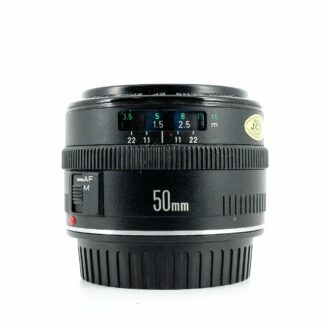
  • Standard lens (normal lens) – a similar angle of view to the human eye, giving photos a natural feel. They are general-purpose lenses, and can be used to photograph everything from close-up portraits to landscapes. A standard lens will make the distance between near and far objects look ‘normal’. For a 35mm film camera or a full-frame DSLR, the 50mm lens is considered standard.
  • Telephoto lens – long-focus lens; long focal length lenses. The angle of view of approx. 20°. This lens class is suited for capturing distant motives up close, e.g., sports, nature or theatrical photography.
  • Wide angle lens – camera lens with a focal length of less than 35mm is considered wide angle (useful in architectural, interior and landscape photography where the photographer may not be able to move farther from the scene to photograph it). Angle of view greater than 55°. Wide-angle lenses come in both fixed-focal-length and zoom varieties.
  • Also, there are ultra-wide angle lenses (fisheye lenses). They are small, ultra-wide, and show a distorted, spherical view of the world, most evident in the curved, outer corners of the photo.
  • Macro Lens – a lens suitable for taking photographs unusually close to the subject. Designed for photographing small subjects at very close distances. They can focus much nearer than normal lenses, allowing you to fill the frame with your subject and capture more details. Macro lenses normally have a fixed focal length (prime lenses). There are zoom macro lenses available but they are low quality and they have low magnification ratio. Read more about macro lenses

Additional devices can be mounted on lenses to change the image quality, such as different filters. Also, tele-converters can be used between lens and camera and to increase the focal length of the mounted lens.

Popular focal lengths

  • 12 to 21mm: Ultra-Wide — usually used at very close subject distances to produce a perspective that provides a dramatic, often extreme image that distorts a scene’s natural proportions.
  • 24 to 35mm: Wide — capture a wider field of view than a standard lens, at shorter distances, the perspective can show distortion.
  • 50 mm: Standard — a focal length near the 44mm image diagonal and a perspective similar to human vision.
  • 85 mm: Portrait — short telephoto lens that accommodates a longer subject to camera distance for pleasing perspective effects and useful image framing.
  • 135 mm: Telephoto — used, for example, by action and sports photographers to capture far away objects.
  • 200 to 500 mm: Super Telephoto — specialized, bulky lenses typically used in sports, action, and wildlife photography.
Posted on

Canon EOS (Electro-Optical System)

Canon EOS (Electro-Optical System) is an autofocus single-lens reflex camera (SLR) camera series produced by Canon Inc.. Introduced in 1987 with the Canon EOS 650, all EOS cameras used 35 mm film until October 1996 when the EOS IX was released using the new and short-lived APS film. In 2000, the D30 was announced, as the first digital SLR designed and produced entirely by Canon. Since 2005, all newly announced EOS cameras have used digital image sensors rather than film. The EOS line is still in production as Canon’s current digital SLR (DSLR) range, and, with the 2012 introduction of the Canon EOS M, Canon’s mirrorless interchangeable-lens camera (MILC) system (Source: Wikipedia)

The name “EOS” was chosen for Eos, the Titan goddess of the dawn in Greek mythology and is often pronounced as a word (/ˈiːɒs/), although some spell out the letters, reading it as an initialism.

The EOS emblem was created using Handel Gothic typography.

It competes primarily with the Nikon F series and its successors, as well as autofocus SLR systems from Olympus Corporation, Pentax, Sony/Minolta, and Panasonic/Leica.

At the heart of the system is the EF lens mount, which replaced the previous FD lens mount, which mainly supported only manual-focus lenses.

What is the difference between EOS and DSLR?

Anyone who has been researching Canon digital SLR cameras will notice many of their names have the letters EOS attached to them. For example, EOS 30D, EOS 1D Mark III, EOS Rebel etc. But what does EOS mean exactly?

Many people mistakenly believe that the term EOS stands for some new special feature built into Canon digital SLR cameras. However, as explained above, EOS camera’s have been around for over 25 years and is really nothing new in today’s terms.

DSLR = Digital Single Lens Reflex – a style of camera. A DSLR is a digital SLR, which means any digital camera that allows you to change lenses and has a reflex mirror allowing you to view/focus through the same lens used to take the photo. The mirror must then be flipped up to take the photo.

An EOS camera is Canon’s overall term for both film and digital SLRs. Canon introduced the EOS name, which stands for Electro-Optical System, when it went to auto-focusing for their SLRs.

If you buy a new SLR these days, it will almost certainly be a digital SLR, as almost no film SLRs are being made any more. In fact, Canon is not making any more film Rebel SLRs or even high-end film SLRs anymore

Understand also that as you progress, your lens costs will far exceed the cost of your body. Also, at this time, I only named Nikon and Canon as they totally dominate the SLR market and have the most lenses available, in used, new and third-party. Other SLR makers include Sony, Pentax, Olympus, and Fujifilm (which uses Nikon SLR bodies). It’s an open question whether any of these other companies will remain in the SLR market in the long term, hence my recommendation to stick with Nikon or Canon.

See Canon cameras and/or lenses in our stock.

Posted on

About Us in a few sentence

About Us Welcome to our webshop! eFiver.uk is a small UK based online shop with competitive prices and a growing number of photography products. We have a people-centred approach, so our customers’ satisfaction is our highest priority.


About products

We mostly sell used items. Sometimes we also sell fully working used electronics below market price, mainly Canon cameras or Canon camera lenses.

Why eFiver?

One of the motto of our company was to sell affordable items for low prices. But later we started to focus on photography products. Yet, still one of our aim is to sell affordable cameras and lenses.

Money Back Guarantee

For most of our products, we offer you a money back guarantee if you return your order within 14 days.

UK Orders

Ordering has never been easier. Simply order your products through our website. We delivered straight to you, quickly and fast.

Dispatch time: 3-4 working days. We dispatch all your orders from Monday to Friday (from Norwich). Most orders will be sent by Royal Mail or Hermes class.

Cancellation

We can cancel your order free of charge before dispatch (see also the return options).

If you have any question contact us or send an email to office@efiver.uk.

Thank you for visiting our webshop!

Posted on

Why Buying Used Lenses Is a Smart Choice for Photographers

Discover why buying used camera lenses is a smart investment for photographers. Learn how pre-owned lenses offer professional quality, significant savings, and long-term value, plus tips for buying used gear safely.

Why Buying Used Lenses Is a Smart Investment for Photographers

Photography, often hailed as the art of capturing life’s fleeting moments, is a hobby and profession that can quickly become expensive. From high-end camera bodies to premium lenses and essential accessories, the costs add up fast. For many photographers, especially those starting out or working on a tight budget, the price of new equipment can feel like a significant barrier. However, there’s one strategy that seasoned photographers consistently use to expand their gear collection affordably: buying used lenses.

While some may feel uncertain about purchasing pre-owned gear, the truth is that buying used lenses is often a smart, practical, and financially sound decision. In fact, many professionals rely on used lenses to build a versatile kit without sacrificing quality. In this article, we’ll explore why buying used lenses is a wise investment, how it benefits photographers at every level, and what steps to take to ensure a successful purchase.


1. Save Money Without Compromising Quality

The most immediate and compelling reason to consider buying used lenses is cost savings. New lenses, especially professional-grade models with wide apertures or specialized optics, can be incredibly expensive. For example, a brand-new Canon RF 70-200mm f/2.8 lens can cost upwards of $2,500. However, purchasing the same lens in excellent used condition can save you hundreds of dollars, often reducing the price by 20% to 40%.

Unlike camera bodies, which are frequently updated with new sensors and features, lens designs evolve slowly. A lens that was top-tier five or even ten years ago may still perform exceptionally well today. This means photographers can access high-quality glass at a fraction of the original retail price simply by buying used.


2. Lenses Are Durable and Long-Lasting

One of the key reasons buying used lenses is less risky than it may seem is that lenses are built to last. High-quality lenses are constructed with robust materials, including metal barrels, durable mounts, and weather-sealing that protects against dust and moisture. If cared for properly, lenses can function flawlessly for decades.

Unlike camera bodies, which have moving parts like shutters and are more prone to wear and tear, lenses have relatively few components that degrade over time. Optical elements don’t “expire.” As long as a lens has been well-maintained—kept dry, cleaned regularly, and not subjected to physical damage—it can continue to deliver excellent image quality.


3. Slower Depreciation Compared to Camera Bodies

Camera technology advances rapidly, with new models offering higher resolutions, faster processors, and better autofocus systems every year. This constant innovation leads to rapid depreciation in camera body values. Lenses, however, depreciate much more slowly. A well-maintained lens can retain a high resale value for years.

This slower depreciation makes lenses a safer investment. In many cases, photographers who purchase a used lens at a fair price can resell it years later with minimal loss in value. In some situations, particularly with rare or discontinued lenses, the resale value may even increase.


4. Access to Discontinued and Vintage Lenses

Buying used isn’t just about saving money—it’s also about access to unique lenses that are no longer in production. Many classic lenses offer distinctive optical characteristics, such as unique bokeh, flare patterns, or color rendering, that newer models lack. For example, photographers often seek out vintage manual-focus lenses like the Canon FD 50mm f/1.4 or Nikon’s AI-S primes to achieve a particular look.

Additionally, certain specialty lenses, like tilt-shift or ultra-wide options, may be discontinued but still highly functional and sought after. The used market becomes the only place to find these hidden gems, allowing photographers to experiment with creative tools that aren’t available new.


5. Expand Your Gear Collection Affordably

Building a versatile photography kit requires a variety of lenses—wide-angle, standard, telephoto, macro, and possibly more. Buying all these lenses new is often cost-prohibitive for many photographers. However, purchasing used lenses allows photographers to expand their kit significantly within the same budget.

For instance, the cost of a new professional zoom lens might equal the combined price of a used prime lens, a used macro lens, and a used telephoto zoom. This expanded kit enables photographers to explore diverse shooting scenarios and genres without financial strain.


6. Lenses Are Less Affected by Technological Obsolescence

Unlike camera bodies, which become outdated as sensor technology evolves, lenses remain relevant for much longer. A lens with high-quality optics, fast autofocus, and robust build will perform well across multiple generations of camera bodies.

Additionally, manufacturers often maintain backward compatibility. Nikon’s F-mount lenses, for example, have been compatible with various camera bodies for decades. Canon EF lenses can be adapted for mirrorless RF-mount cameras with no loss in functionality. This long-term relevance makes used lenses a safe investment for future-proofing your kit.


7. Environmental Sustainability

In a time when sustainability is becoming an increasingly important consideration, buying used gear is an environmentally friendly choice. Purchasing pre-owned lenses reduces demand for new manufacturing, which in turn conserves raw materials and lowers the carbon footprint associated with production and shipping.

By participating in the circular economy, photographers who buy used lenses help extend the life of products that might otherwise go to waste, making a positive environmental impact.


8. Plenty of “Like-New” Lenses on the Market

It’s a misconception that the used market is full of worn-out, heavily used gear. In reality, many used lenses are sold in near-mint condition. Photographers often upgrade to newer models, switch camera systems, or simply sell lenses they rarely used. These lightly used lenses offer the same performance as brand-new ones, often with only minor cosmetic wear.

Reputable camera stores, certified pre-owned programs, and peer-to-peer marketplaces with strong buyer protection policies make it easy to find high-quality used lenses with confidence. Many sellers also offer return windows or limited warranties for additional peace of mind.


Tips for Buying Used Lenses Safely

While buying used lenses is a smart move, it’s essential to approach the process with caution. Here are a few tips to ensure a safe and worthwhile purchase:

  1. Inspect Carefully: Look for scratches on lens elements, check for internal dust, fungus, or haze, and ensure zoom and focus rings move smoothly.
  2. Test Autofocus and Aperture Blades: Make sure autofocus is responsive and aperture blades are free of oil and snap open and closed correctly.
  3. Buy from Reputable Sellers: Trusted camera stores, certified pre-owned programs (like those from B&H, KEH, or Adorama), and marketplaces with strong buyer protections (e.g., eBay with buyer guarantees) are good options.
  4. Check Return and Warranty Policies: A return policy allows you to thoroughly test the lens after purchase, while warranties provide long-term protection.
  5. Do Market Research: Compare prices across multiple platforms to ensure you’re paying a fair price based on the lens’s age and condition.

Conclusion

For photographers looking to expand their gear collection without stretching their finances, buying used lenses is a smart, practical choice. High-quality lenses are built to last, depreciate slowly, and can deliver professional results for years to come. Moreover, the used market often provides access to rare, discontinued, or vintage lenses that add unique creative tools to your photography kit.

By making informed purchasing decisions and buying from reliable sources, photographers at every level—from hobbyists to professionals—can benefit tremendously from the value, versatility, and sustainability that used lenses offer. It’s a strategy that not only saves money but also empowers photographers to grow their skills and express their creativity fully.

Posted on

Top 10 Used Lenses Every Photographer Should Consider in 2025

Discover the top 10 used camera lenses every photographer should consider in 2025. Get pro-level performance at affordable prices with these must-have lenses for Canon, Nikon, Sony, Fujifilm, and more.

Top 10 Used Lenses Every Photographer Should Consider in 2025

In the ever-evolving world of photography, lenses are arguably the most important part of a photographer’s toolkit. While camera bodies get frequent upgrades, high-quality lenses retain their value and performance for many years. For photographers looking to expand their gear without spending a fortune, the used lens market is a treasure trove of opportunity.

In 2025, with advanced mirrorless systems dominating headlines, many outstanding DSLR and early mirrorless lenses are available at unbeatable prices. Some of these lenses are timeless workhorses, while others offer unique optical character that new lenses simply can’t replicate.

Here are the top 10 used lenses every photographer should consider in 2025, whether you’re a beginner, hobbyist, or seasoned professional.


1. Canon EF 24-70mm f/2.8L II USM

The Canon EF 24-70mm f/2.8L II is often regarded as one of the best standard zoom lenses ever made. Known for its sharpness, fast aperture, and professional-grade build quality, this lens is a go-to for wedding, portrait, and event photographers.

With many Canon shooters transitioning to RF mirrorless systems, the used market is now filled with these incredible lenses at significantly reduced prices. It pairs seamlessly with EF-RF adapters, making it a smart choice even for mirrorless users.


2. Nikon AF-S NIKKOR 70-200mm f/2.8G ED VR II

The Nikon 70-200mm f/2.8G VR II has long been a favorite among sports, wildlife, and portrait photographers. Its constant f/2.8 aperture, exceptional image stabilization (VR), and tank-like build make it a professional’s workhorse.

As Nikon mirrorless users shift towards Z-mount lenses, this once-premium lens can now be found on the used market at budget-friendly prices. It remains a phenomenal lens when paired with an FTZ adapter on mirrorless bodies.


3. Sony FE 85mm f/1.8

The Sony FE 85mm f/1.8 is often called the “budget portrait king.” It offers beautiful bokeh, sharpness, and lightning-fast autofocus—all in a compact and lightweight package.

For portrait photographers or those entering the Sony full-frame ecosystem, this lens provides stunning image quality without the hefty price tag of Sony’s GM series lenses. Given its popularity, it’s now widely available on the used market.


4. Sigma 35mm f/1.4 DG HSM Art

Sigma’s 35mm f/1.4 Art lens revolutionized third-party lens expectations, delivering performance that rivaled or even surpassed first-party offerings. It’s a versatile focal length ideal for street, event, and environmental portrait photography.

With Sigma releasing mirrorless-specific versions of this lens, DSLR-mount versions (Canon EF, Nikon F) are now selling for a fraction of their original price on the used market.


5. Tamron 28-75mm f/2.8 Di III RXD (Sony E-mount)

For Sony mirrorless users, the Tamron 28-75mm f/2.8 offers an affordable alternative to Sony’s native standard zooms. Known for its lightweight design, fast aperture, and excellent optical quality, it’s a favorite among travel and event photographers.

Since Tamron has updated this lens with newer versions, the original RXD model is now a fantastic value buy on the used market for photographers seeking pro-level performance on a budget.


6. Fujifilm XF 56mm f/1.2 R

For Fujifilm X-series shooters, the XF 56mm f/1.2 R is a must-have portrait lens. Its wide f/1.2 aperture produces stunningly shallow depth-of-field and creamy bokeh, making it a favorite for portrait and fashion photographers.

With Fujifilm’s newer versions arriving in 2025, this original 56mm is appearing in used listings at highly attractive prices while still delivering breathtaking image quality.


7. Canon EF 100mm f/2.8L Macro IS USM

The Canon EF 100mm f/2.8L Macro is a dual-purpose gem. Not only is it an exceptional macro lens, but it also doubles as a razor-sharp portrait lens with beautiful background compression.

Thanks to its hybrid image stabilization and legendary L-series optics, this lens is highly sought after. However, as many Canon users switch to RF macro alternatives, the EF version can now be found used at considerable savings.


8. Nikon AF-S DX 35mm f/1.8G

For Nikon DX (APS-C) DSLR shooters, the 35mm f/1.8G is a budget-friendly prime lens that punches well above its weight. Offering a 50mm equivalent field of view, this lens is perfect for everyday photography, street shots, and portraits.

Its affordability, lightweight build, and sharp optics make it an essential lens, and used versions are abundant in the second-hand market.


9. Sigma 150-600mm f/5-6.3 DG OS HSM Contemporary

Wildlife and sports photographers seeking reach without spending a fortune flock to Sigma’s 150-600mm Contemporary lens. It offers versatile zoom, optical stabilization, and excellent image quality in a surprisingly portable package.

With new mirrorless telephoto options on the market, DSLR versions of this lens are becoming more affordable in used listings, providing an accessible gateway into extreme telephoto photography.


10. Tokina AT-X 11-20mm f/2.8 PRO DX

For APS-C DSLR users looking to explore ultra-wide photography, the Tokina 11-20mm f/2.8 offers fantastic value. It’s ideal for landscapes, architecture, astrophotography, and interiors.

Unlike many budget ultrawide zooms, it features a constant f/2.8 aperture, making it suitable for low-light conditions. With many photographers upgrading to full-frame or mirrorless systems, this lens can now be found at bargain prices on the used market.


Bonus Tip: Watch for Adapted Vintage Lenses

In 2025, adapting vintage manual focus lenses onto modern mirrorless bodies continues to grow in popularity. Classic lenses from brands like Minolta, Pentax, Olympus, and even Soviet-era brands like Helios offer unique optical characteristics at very affordable prices. If you enjoy experimenting with creative bokeh, flare, and vintage rendering, hunting for vintage glass in the used market is both exciting and rewarding.


Why Buying Used Lenses is a Smart Move in 2025

The used lens market in 2025 is more robust and dynamic than ever. As camera manufacturers release new mirrorless systems, many photographers are selling off their DSLR lenses, flooding the market with high-quality glass at discounted prices. This creates a golden opportunity for savvy buyers to acquire professional-grade lenses without stretching their budgets.

Additionally, lenses are long-term investments. Unlike camera bodies, which can become obsolete with technological advances, lenses often retain their value and usability for many years. With proper care, a used lens can deliver outstanding results, whether you’re a professional or an enthusiast.


Tips for Buying Used Lenses Safely

To make the most out of buying used lenses, follow these key tips:

  1. Inspect for Physical Damage: Look closely at lens elements for scratches, fungus, or haze.
  2. Test Autofocus and Aperture Blades: Ensure smooth, accurate performance.
  3. Buy from Reputable Sellers: Trusted retailers, certified pre-owned programs, or online marketplaces with buyer protection.
  4. Compare Prices: Research market rates to ensure you’re getting a fair deal.
  5. Check Return and Warranty Policies: Gives peace of mind in case of hidden defects.

Conclusion

Building a versatile, high-quality lens collection doesn’t have to drain your savings. The used lens market in 2025 is filled with opportunities to acquire premium optics at a fraction of their original cost. Whether you’re after a portrait prime, a workhorse zoom, or an ultra-telephoto lens for wildlife, the top 10 used lenses listed here are all excellent choices that continue to deliver outstanding performance.

By purchasing used lenses thoughtfully, photographers can maximize their creative potential while staying within budget—a smart investment strategy for any visual artist.

Posted on

How to Inspect a Used Lens Before You Buy It

Learn how to inspect a used camera lens before buying. This step-by-step guide covers checking for damage, testing focus, aperture, image quality, and tips for buying safely in-person or online.

How to Inspect a Used Lens Before You Buy It

Buying a used lens is one of the smartest ways to build a high-quality photography kit without spending a fortune. However, unlike buying brand-new gear, purchasing used lenses requires careful inspection to ensure you’re getting a product that performs as expected. While many pre-owned lenses are in excellent condition, it’s essential to know how to spot hidden defects that could affect image quality or functionality.

Whether you’re buying from a camera store, an online marketplace, or a private seller, this guide will walk you through how to inspect a used lens before you buy it, so you can make a confident and informed decision.


1. Research the Lens Model First

Before you meet the seller or make an online purchase, familiarize yourself with the lens model you’re considering. Understand its specifications, known issues, and typical market price. Look up reviews, sample images, and common problems associated with that particular lens.

This knowledge will help you assess whether the lens is performing as it should and ensure you’re not overpaying.


2. Inspect the Lens Body

Start with a thorough visual inspection of the exterior of the lens. While minor cosmetic wear like small scuffs or scratches on the barrel is normal for used gear, be cautious of:

  • Dents or major impacts on the lens barrel, especially near the front or rear elements.
  • Loose or wobbly parts, such as a zoom or focus ring that feels unstable.
  • Missing screws or parts, which might indicate prior repairs or disassembly.
  • Damaged filter threads, which could prevent the attachment of filters or lens caps.

A lens with significant external damage may have internal issues as well, so it’s essential to proceed with caution if you notice these red flags.


3. Check the Glass Elements

One of the most critical steps is to inspect the front and rear glass elements. Here’s what to look for:

What’s Acceptable:

  • Tiny dust particles inside the lens (common in used lenses and rarely affect image quality).
  • Minor surface cleaning marks on the glass, as long as they don’t affect clarity.

Red Flags:

  • Scratches on the glass elements (especially deep scratches).
  • Haze or fogging inside the lens, which can reduce contrast and sharpness.
  • Fungus growth, which looks like spiderweb patterns or small white/gray patches inside the lens.
  • Separation of lens elements, visible as rainbow-colored patches or bubbles under the surface.

To properly inspect the glass, hold the lens up to a light source and tilt it at different angles. Use a small flashlight to examine internal elements closely.


4. Test the Focus Ring and Zoom Mechanism

Gently rotate the focus ring and, if applicable, the zoom ring. Pay attention to:

  • Smoothness: The rings should move smoothly without grinding or stiffness.
  • No Slipping or Sticking: There should be no points where the rings get stuck or slip unnaturally.
  • Focus Throw Resistance: Manual focus lenses may have more resistance, but it should still feel even and controlled.

Any unusual resistance, grinding, or looseness might indicate internal damage or wear that can affect usability.


5. Inspect the Aperture Blades

If the lens has a manual aperture ring or visible aperture blades, check the following:

  • Blades should be clean and free of oil. Oil on aperture blades can lead to sticking or malfunction.
  • The blades should open and close smoothly when adjusting the aperture.
  • If inspecting a modern autofocus lens, test aperture actuation by mounting it on a camera and using depth-of-field preview or testing at various f-stops.

Sticky or sluggish aperture blades are a sign of internal issues and often require professional repair.


6. Mount the Lens on a Camera Body

If possible, bring your camera body (or ask the seller to provide one) to test the lens in real-time. Mount the lens securely and test the following:

Autofocus:

  • Ensure autofocus is working correctly in both single and continuous focus modes.
  • Check for quick, accurate focus acquisition.
  • Listen for unusual noises (grinding, buzzing) during focusing.

Image Stabilization (if applicable):

  • Activate the lens’s image stabilization (IS/VR/OSS) function and test for proper operation.
  • Listen for odd clicking or motor noises that could indicate malfunction.

Communication with Camera:

  • Check if the lens aperture settings are correctly registered by the camera.
  • Make sure EXIF data (focal length, aperture) displays accurately.
  • Test all electronic functions like autofocus, focus peaking (for manual lenses), and stabilization features.

7. Capture Test Shots and Examine Image Quality

Take several test shots under different conditions:

  • Wide Open Aperture Test: Check for sharpness, vignetting, and optical clarity at the widest aperture.
  • Stopped-Down Test: Test image sharpness and consistency at f/5.6 to f/8.
  • Backlight Test: Shoot towards a light source to spot lens flare, internal reflections, and potential haze.
  • Focus Accuracy Test: Use live view or autofocus points to ensure the lens locks onto subjects precisely.

After shooting, review the images on your camera’s screen and later on a computer monitor to ensure there are no softness issues, unusual color casts, or defects like spots caused by internal dust/fungus.


8. Inspect the Lens Mount

Examine the lens mount for excessive wear, scratches, or damage to electronic contacts. A damaged lens mount can cause poor fitment, communication errors, or even damage your camera body.

Ensure the lens mounts securely and locks in place without excessive play or wobble.


9. Ask About Lens History and Usage

If buying from a private seller, ask:

  • How long they’ve owned the lens.
  • What kind of photography they used it for.
  • If it’s been serviced or repaired.
  • How it’s been stored (dry boxes, climate-controlled environments).

Sellers who have taken good care of their gear will usually be transparent and willing to discuss the lens’s history.


10. Verify Accessories and Packaging

While not a deal-breaker, having the original lens caps, hood, pouch, and box is a good sign that the lens was well cared for. Missing accessories aren’t necessarily a problem, but they can slightly affect resale value later on.

If purchasing from a retailer, check whether the lens comes with a warranty or return policy. Many reputable sellers of used gear offer a short return window for added peace of mind.


Final Tips for Buying Used Lenses Online

If buying online and an in-person inspection isn’t possible:

  1. Ask for High-Resolution Photos: Request detailed images of the lens body, glass elements, and mount.
  2. Request a Video Demonstration: Ask the seller to send a short video showing the lens in operation (autofocus, zoom, aperture blades).
  3. Check Seller Reputation: Only buy from sellers with positive feedback or reputable platforms that offer buyer protection.
  4. Understand Return Policies: Make sure there’s a return window in case the lens doesn’t meet expectations upon arrival.

Conclusion

Buying a used lens can be one of the most rewarding decisions a photographer makes. With the right inspection techniques, you can acquire high-quality lenses that perform just as well as new ones while saving a significant amount of money. Whether you’re purchasing from a private seller or a trusted store, taking the time to thoroughly inspect a used lens ensures you get reliable equipment that will serve you well for years.

Understanding what to look for—and what to avoid—turns buying used lenses from a gamble into a smart, informed investment. With these inspection steps, you can shop with confidence and grow your photography gear arsenal the smart way.

Posted on

Prime vs Zoom: Which Used Lens Is Right for You?

Debating between a prime or zoom lens? Discover the pros, cons, and key factors to consider when buying used lenses. Find out which option suits your photography needs and budget.

Prime vs Zoom: Which Used Lens Is Right for You?

When building a photography kit, one of the most common dilemmas photographers face is choosing between prime lenses and zoom lenses. Both types of lenses have unique strengths and limitations, and the choice often depends on your shooting style, subject matter, and personal preferences.

Buying used lenses can make this decision even more appealing, as it allows photographers to acquire high-quality glass at significantly lower prices. However, understanding whether a used prime lens or a used zoom lens is the right investment for you requires careful consideration.

In this article, we’ll break down the key differences between prime and zoom lenses, the pros and cons of each, and guide you in deciding which is the better fit for your photography needs.


What is a Prime Lens?

prime lens has a fixed focal length. This means it doesn’t zoom in or out—what you see is what you get. Popular prime focal lengths include 35mm, 50mm, 85mm, and 135mm.

Because of their simpler optical design, prime lenses often excel in image quality, low-light performance, and compactness. They are the go-to choice for many portrait, street, and low-light photographers.


What is a Zoom Lens?

zoom lens offers a variable focal length, allowing you to zoom in and out without changing lenses. Common examples include 24-70mm, 70-200mm, and 16-35mm zoom ranges.

Zoom lenses are incredibly versatile, making them ideal for situations where changing lenses isn’t practical, such as events, wildlife, or travel photography.


Advantages of Buying Used Prime Lenses

1. Superior Image Quality

Prime lenses typically offer sharper images, better contrast, and minimal distortion compared to zooms of the same generation. Since they have fewer optical elements, manufacturers can focus on perfecting their design for that specific focal length.

Buying a used prime lens allows photographers to get top-tier optical performance at a fraction of the new retail price.

2. Wide Apertures for Low-Light and Bokeh

Many prime lenses offer wide maximum apertures, like f/1.4 or f/1.8, which are ideal for shooting in low-light environments and achieving beautifully blurred backgrounds (bokeh).

Used prime lenses with wide apertures are often much more affordable than their new counterparts, giving photographers an excellent tool for portrait and night photography without stretching their budget.

3. Lightweight and Compact

Primes are generally smaller and lighter than zoom lenses, making them perfect for travel, street photography, or situations where you want to carry minimal gear.

Buying used compact prime lenses is an excellent option for photographers who value portability without compromising image quality.


Advantages of Buying Used Zoom Lenses

1. Versatility in Framing

A zoom lens allows you to adjust your framing without changing your physical position. This is invaluable in fast-paced environments like weddings, sports, and wildlife photography, where moments happen quickly, and there’s no time to swap lenses.

Purchasing a used zoom lens can provide professional-level versatility at a significantly lower cost than buying new.

2. Convenience of Fewer Lens Changes

With a zoom lens, you can cover a range of focal lengths with one piece of glass. This reduces the need to constantly change lenses, saving time and protecting your camera sensor from dust.

Used zoom lenses, especially professional-grade ones like 24-70mm f/2.8 or 70-200mm f/2.8, offer massive convenience at a fraction of the price of new models.

3. Ideal for All-in-One Solutions

For photographers who want to travel light or are just starting out, a used superzoom lens (like an 18-200mm) can provide an all-in-one solution. Though superzooms may not match the optical performance of primes or professional zooms, they are practical for casual shooting.


Prime vs Zoom: Key Considerations When Buying Used

1. Shooting Style and Subject Matter

  • Portrait and Low-Light Photographers: A used prime lens with a wide aperture (e.g., 85mm f/1.8) will be a top choice for achieving creamy bokeh and excellent sharpness.
  • Event and Wedding Photographers: A used zoom lens like a 24-70mm f/2.8 provides flexibility to frame shots quickly in dynamic environments.
  • Street and Travel Photographers: A small used prime lens (like a 35mm f/2) is discreet and easy to carry.
  • Sports and Wildlife Photographers: A used telephoto zoom (like a 70-200mm or 150-600mm) offers the reach and framing flexibility needed for distant subjects.

2. Budget Constraints

Prime lenses are generally more affordable, especially when buying used. However, if you need multiple focal lengths, the cost of buying several primes can add up. A used zoom lens could be a more economical solution for covering a broad focal range.

3. Lens Condition and Wear

Zoom lenses have more moving parts, making them more susceptible to mechanical wear, especially on zoom mechanisms and internal components like image stabilization units. When buying a used zoom, it’s crucial to inspect for smooth zoom and focus action and ensure no grinding or slippage.

Prime lenses, with their simpler design, are less prone to mechanical issues, which often makes them a safer buy in the used market.


Pros and Cons Summary

Prime Lenses (Used)Zoom Lenses (Used)
+ Sharper image quality+ Versatile focal lengths
+ Wider apertures (f/1.8, f/1.4)+ Ideal for fast-paced shooting
+ Lightweight and compact+ Fewer lens changes needed
+ Generally cheaper used prices+ All-in-one solutions for travel
– Fixed focal length limits framing– Often heavier and bulkier
– May need multiple primes for flexibility– More mechanical parts = higher wear risk

Should You Start with a Used Prime or Zoom?

For beginners, starting with a used zoom lens can provide the flexibility to explore different focal lengths without the need to invest in multiple lenses. A good used zoom like an 18-55mm kit lens or a 24-105mm f/4L can cover a wide range of scenarios while offering solid image quality.

For photographers who are more specialized in their style—such as portrait, street, or low-light shooters—a used prime lens will deliver the shallow depth-of-field and optical performance they crave at an affordable price.


The Hybrid Approach: Mix and Match

Many photographers eventually opt for a combination of primes and zooms. For example, a 24-70mm zoom for versatility, combined with a 50mm f/1.8 prime for creative portraits or low-light conditions. Buying used lenses makes this hybrid approach more financially accessible.


Final Tips for Buying Used Primes and Zooms

  • Inspect Thoroughly: Look for scratches, internal dust, smoothness of rings, and proper autofocus operation.
  • Test Image Quality: Capture sample shots at various apertures and zoom ranges.
  • Buy from Reputable Sellers: Choose trusted camera stores or marketplaces with buyer protection.
  • Consider Age & Usage: Older zoom lenses with heavy usage may show more mechanical wear than primes.
  • Factor in Future Needs: Think long-term about the lenses that will grow with your photography.

Conclusion

Choosing between a used prime lens and a used zoom lens depends on your photography goals, shooting style, and budget. Prime lenses offer unbeatable image quality, wider apertures, and compact designs, making them ideal for portraits and creative work. Zoom lenses provide unmatched versatility, allowing photographers to adapt quickly to different scenes and subjects.

By purchasing used, you can enjoy premium lenses at a fraction of the cost, whether you choose the optical excellence of a prime or the flexibility of a zoom. With careful inspection and smart buying choices, both options can elevate your photography without breaking the bank.

Posted on

Best Budget-Friendly Used Lenses for Beginners

Discover the best budget-friendly used lenses for beginner photographers. Get affordable, high-quality Canon, Nikon, Sony, and Fujifilm lenses to start your photography journey without breaking the bank.

Best Budget-Friendly Used Lenses for Beginners

Photography is a rewarding and creative hobby, but it can quickly become expensive. For beginners, investing in gear that delivers quality results without breaking the bank is essential. One of the smartest ways to build an affordable and versatile kit is by purchasing used lenses. Unlike camera bodies, which frequently get updated, lenses retain their value and functionality for many years if well-maintained.

In this article, we’ll highlight some of the best budget-friendly used lenses for beginners, covering popular brands like Canon, Nikon, Sony, and Fujifilm. Whether you shoot portraits, landscapes, or just want an all-around lens, these affordable options will help you take stunning photos while staying within budget.


Why Buy Used Lenses as a Beginner?

Before diving into specific recommendations, let’s understand why buying used lenses makes sense for beginners:

  1. Significant Cost Savings: Used lenses often sell for 30-50% less than their brand-new counterparts.
  2. Access to Higher-Quality Glass: You can afford better optics by buying used, improving image quality from the start.
  3. Lenses Age Well: Unlike camera bodies, lenses don’t become outdated quickly. A lens from 10 years ago can still produce professional-level images.
  4. Expandable Kit on a Budget: You can stretch your money further, acquiring multiple lenses for different purposes.

Best Budget-Friendly Used Lenses for Canon Beginners

1. Canon EF 50mm f/1.8 STM (“Nifty Fifty”)

  • Why it’s great: Sharp, lightweight, and incredibly affordable.
  • Ideal for: Portraits, low-light shooting, general everyday use.
  • What to expect in the used market: Often available for under $100, this lens is a must-have for every Canon beginner. Its wide f/1.8 aperture allows for beautiful background blur (bokeh) and solid low-light performance.

2. Canon EF-S 18-55mm f/3.5-5.6 IS STM

  • Why it’s great: A versatile kit lens with image stabilization.
  • Ideal for: General-purpose photography, travel, learning basics.
  • What to expect in the used market: This lens comes bundled with many Canon DSLR kits, so it’s plentiful in the used market and often sells for $50-$80.

Best Budget-Friendly Used Lenses for Nikon Beginners

3. Nikon AF-S DX 35mm f/1.8G

  • Why it’s great: Compact, fast prime lens perfect for beginners.
  • Ideal for: Street, portrait, and low-light photography.
  • What to expect in the used market: Frequently available for $120-$150, this lens is excellent for Nikon DX-format (APS-C) users. It delivers superb sharpness and a natural field of view.

4. Nikon AF-P DX 18-55mm f/3.5-5.6G VR

  • Why it’s great: A lightweight kit lens with vibration reduction (VR).
  • Ideal for: Everyday shooting, travel, and learning photography basics.
  • What to expect in the used market: This lens is often found bundled with Nikon entry-level DSLRs and is widely available used for around $50-$70.

Best Budget-Friendly Used Lenses for Sony Beginners

5. Sony E 50mm f/1.8 OSS (APS-C)

  • Why it’s great: A sharp portrait lens with built-in Optical SteadyShot (OSS).
  • Ideal for: Portraits, low-light, and video work.
  • What to expect in the used market: For Sony APS-C mirrorless cameras (like the a6000 series), this lens is a gem. Used prices typically range between $200-$250.

6. Sony E PZ 16-50mm f/3.5-5.6 OSS

  • Why it’s great: Ultra-compact, retractable zoom lens with optical stabilization.
  • Ideal for: Everyday use, travel, vlogging.
  • What to expect in the used market: This kit lens is often found used for $80-$120. It’s not the sharpest lens in Sony’s lineup, but its portability makes it ideal for casual shooting.

Best Budget-Friendly Used Lenses for Fujifilm Beginners

7. Fujifilm XF 35mm f/2 R WR

  • Why it’s great: Compact, weather-resistant prime lens with excellent sharpness.
  • Ideal for: Street, portraits, travel photography.
  • What to expect in the used market: Known as the “Fujicron,” this lens is frequently found for $250-$300 in the used market. Its fast f/2 aperture and robust build quality make it a great investment.

8. Fujifilm XC 16-50mm f/3.5-5.6 OIS II

  • Why it’s great: Lightweight kit lens with optical image stabilization.
  • Ideal for: General-purpose, landscapes, everyday shooting.
  • What to expect in the used market: This entry-level zoom lens often sells used for $100-$150, offering good image quality for beginners on a tight budget.

Best Budget-Friendly Third-Party Used Lenses for Beginners

9. Sigma 17-50mm f/2.8 EX DC OS HSM (Canon & Nikon)

  • Why it’s great: Affordable constant aperture zoom with image stabilization.
  • Ideal for: General-purpose shooting, events, portraits.
  • What to expect in the used market: This lens offers f/2.8 constant aperture performance at a budget price. Used units typically sell for $200-$250, making it a fantastic value for DSLR users.

10. Tamron 18-200mm f/3.5-6.3 Di II VC (Canon & Nikon)

  • Why it’s great: All-in-one zoom lens perfect for travel and general use.
  • Ideal for: Beginners who want one lens to cover wide to telephoto.
  • What to expect in the used market: You can often find this lens for $150-$200. While it’s not as sharp as specialized primes, its versatility is unmatched at this price point.

How to Buy Used Lenses Safely as a Beginner

When purchasing used lenses, beginners should keep a few essential tips in mind to avoid buying faulty or damaged gear:

  1. Buy from Reputable Sellers: Trusted camera stores, certified pre-owned programs, or platforms like KEH, B&H Used, and Adorama are good starting points.
  2. Inspect for Physical Damage: Check for scratches, dents, and clean optics (front and rear elements).
  3. Test Autofocus and Aperture Blades: Ensure smooth autofocus operation and responsive aperture blades.
  4. Look for Internal Issues: Shine a light through the lens to check for dust, haze, or fungus.
  5. Ask for Return Policy or Warranty: If buying online, ensure the seller offers a return window in case the lens doesn’t meet expectations.

Conclusion

Starting your photography journey doesn’t require a hefty investment in brand-new gear. By purchasing budget-friendly used lenses, beginners can access high-quality optics that dramatically improve their photography without overstretching their budget.

Lenses like the Canon 50mm f/1.8, Nikon 35mm f/1.8, Sony 50mm f/1.8 OSS, and Fujifilm XF 35mm f/2 are all excellent starter lenses that offer professional-level image quality at beginner-friendly prices when bought used. Additionally, versatile kit zooms and affordable third-party lenses provide a solid foundation for learning various styles of photography.

With a little research and careful buying practices, the used lens market becomes a goldmine of opportunities, allowing beginners to focus on what matters most—taking great photos and developing their skills.